

April 7, 2026

Zeinep Ibragim Kyzy
Forest restoration is a step-by-step process that starts with understanding the land and continues long after the seedlings are in the ground. Each stage plays an important role in making sure that new forests can grow, survive, and support biodiversity over time. These seven steps show how each stage contributes to building resilient ecosystems.
1 Analyse restoration sites
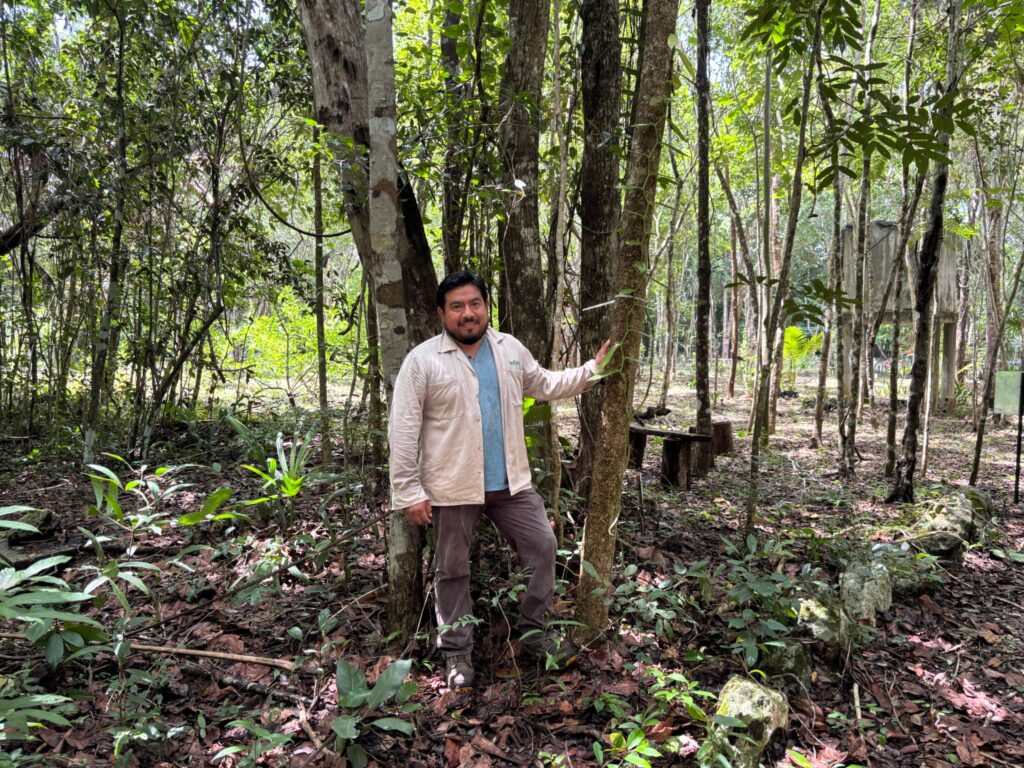
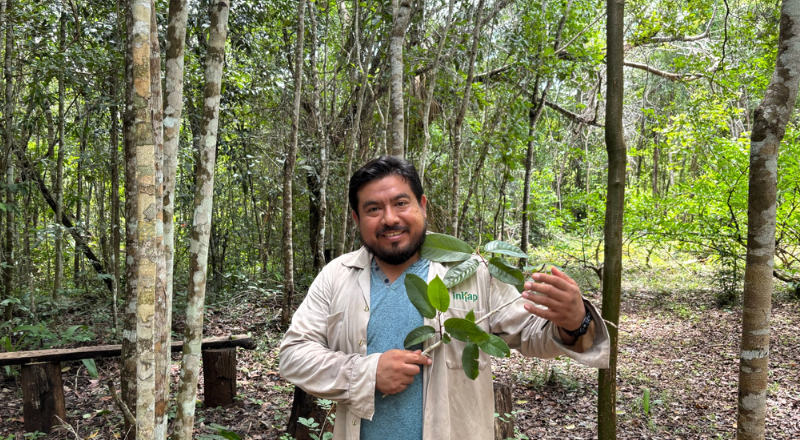
Our restoration team studies soil conditions, rainfall, and native species in degraded and nearby areas to determine what’s needed to restore healthy, biodiverse forests.
In some cases, such as in Mexico, they analyse what kind of treatment the land needs to be properly prepared for seedling planting. Some land, after long periods of cattle ranching, can be completely hostile to planting efforts. On our restoration site in Constitución, Mexico, we had to aerate and decompress tightly packed soil that would have been impossible to dig and even more impossible to plant in after many years of use as pasture. This allows the soil to become receptive to new seedlings and creates the conditions for a forest to take root.
Sometimes, it is necessary to accept that some land does not need intervention, only protection and monitoring. Naturally regenerated forests are often more stable because they can withstand more stress than planted forests. When the forest floor is promising, trees are producing their own seeds, and new saplings are emerging, there is no need to intervene, only to ensure that neighbouring farms or fires do not cause damage. In such cases, the best approach is to step back and let nature regenerate.
This preparatory work ensures that seedlings have the best possible chance of survival and is an essential step before any planting begins.
2 Collect native seeds
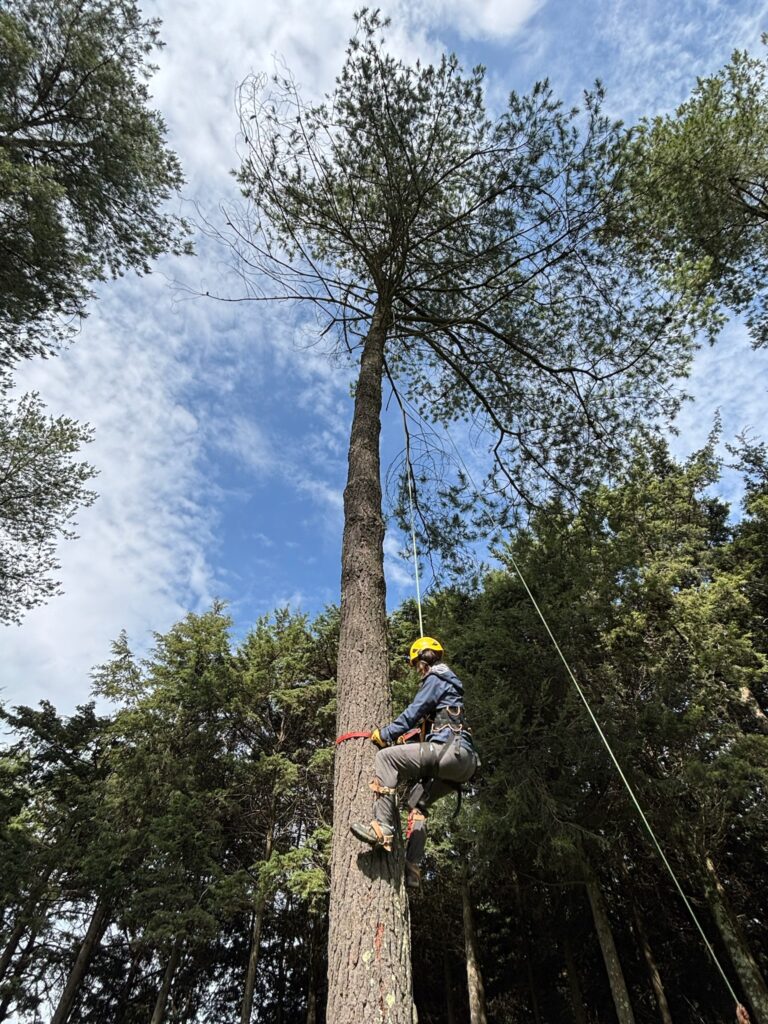
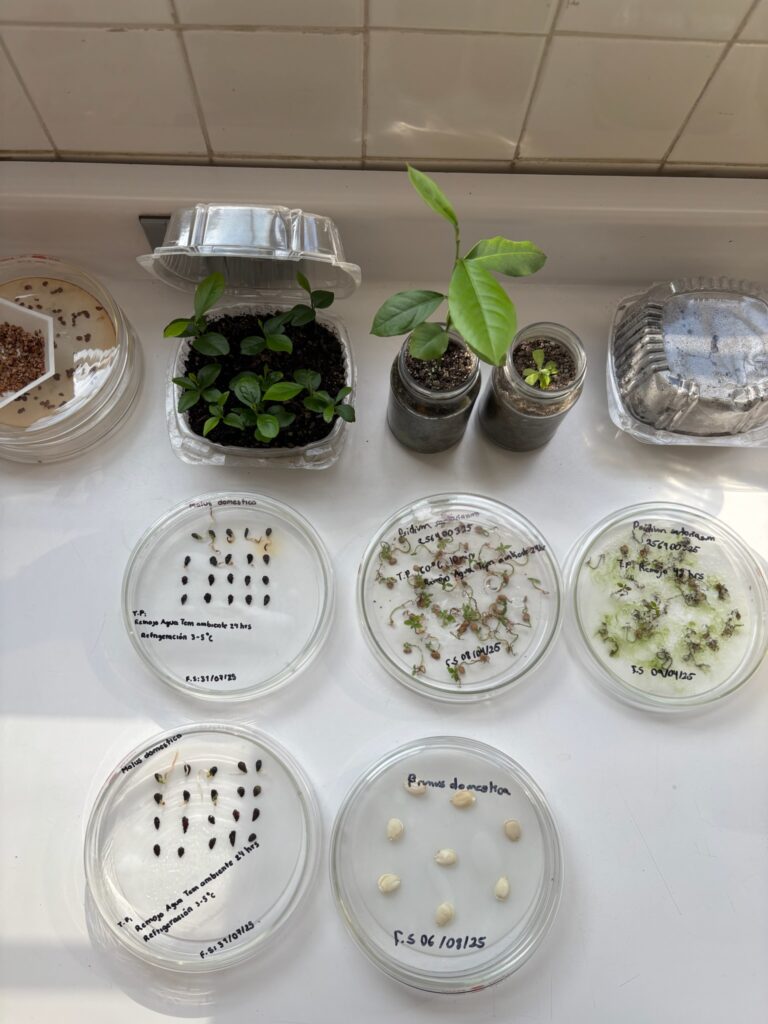
Collecting native seeds requires a lot of patience and resources. In some instances, it involves specialised safety gear and ropes to reach seeds high above the ground (see photo above of our restoration advisor Dr. Anna Gee). The seeds then need to be processed and tested to make sure they are viable. This process is necessary to ensure that native species are conserved and grown.
To do this effectively, we rely on partnerships with local communities (ejidos), governments, and scientists who understand the land, allowing us to collect native and rare species that truly belong to the landscape.
Planting non-native trees risks causing ecological damage that can be unpredictable. While non-native species may grow faster or be more resilient to fires and storms, they can also outcompete existing vegetation and alter the ecosystem. This can have broader consequences, including changes in the animal species that depend on native plants.
In rare cases, we may need to remove certain trees if they are clearly harming the ecosystem. For example, we removed a tree because it was drawing resources away from newly planted native trees, and the shade it created prevented other species from growing beneath it.
3 Grow resilient seedlings
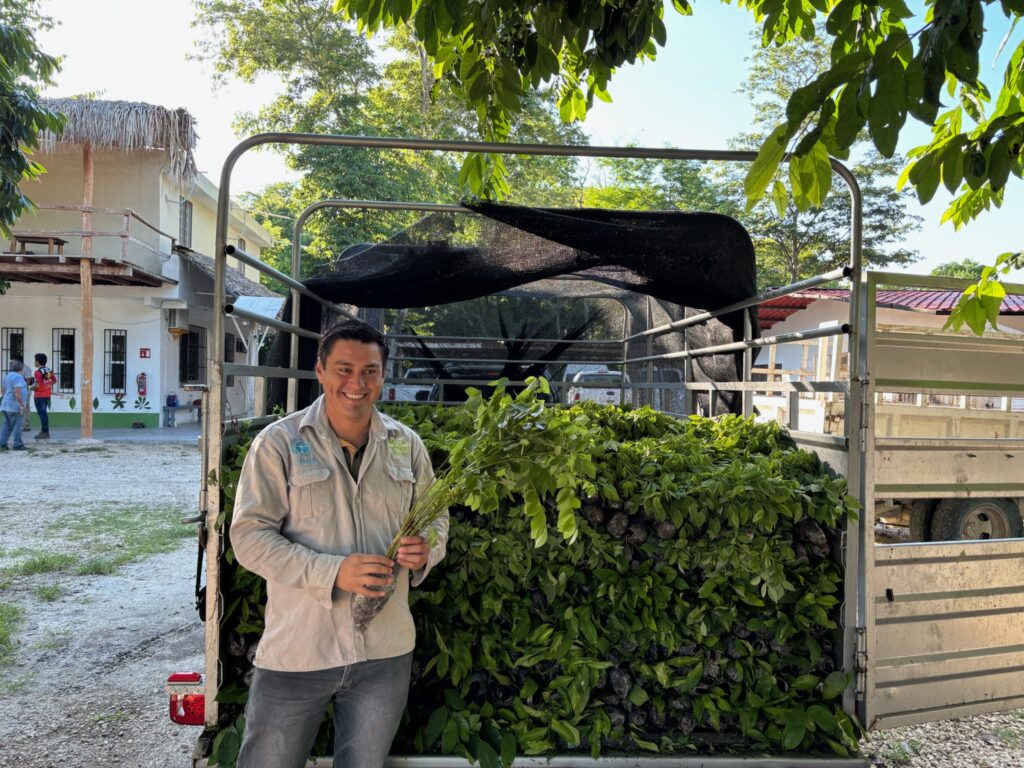
Depending on the time of year and environmental conditions, we grow seedlings with the highest chance of survival. Some seedlings may appear unpromising (picture just a thin stem with a small root system) but they are alive and ready to be planted!
We ensure seedlings are handled carefully from the nursery to the field. It is inspiring to see truckloads of seedlings transported to planting sites, each one representing a future forest ecosystem.
4 Prepare sites
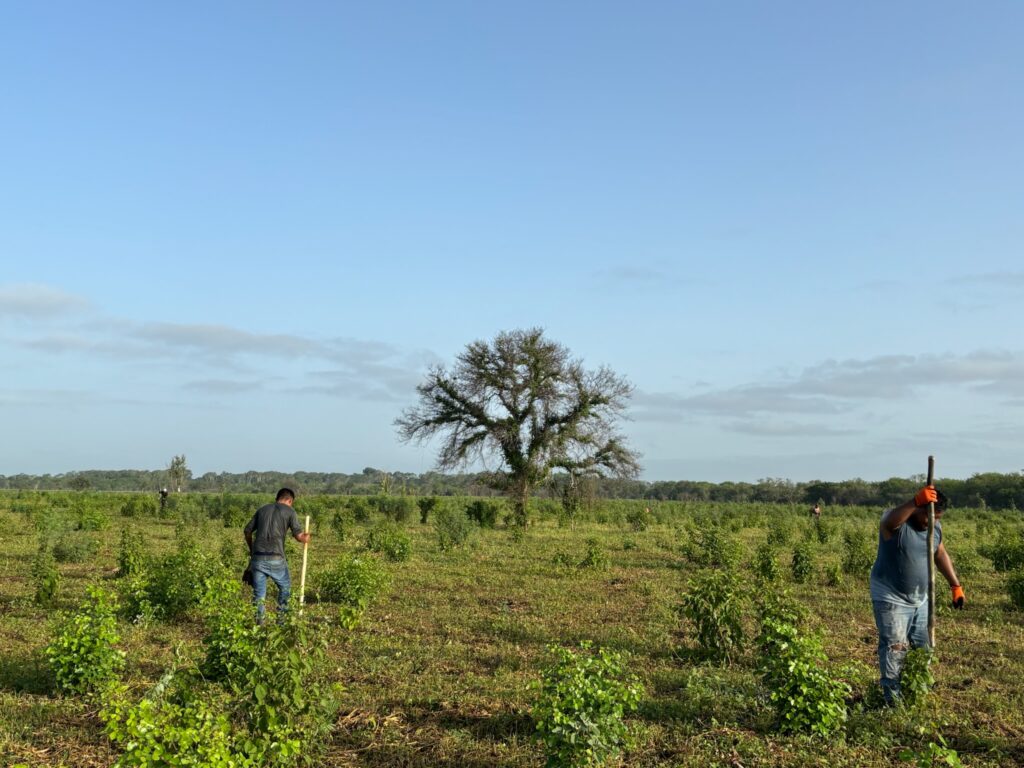
Before planting begins, we remove grasses around planting areas, usually by cutting lines with machetes to speed up the process.
Preparing sites is one of the most physically demanding parts of restoration. While clearing vines and weeds, we must also be cautious of snakes that may be hiding. To reduce risk, we make noise and stomp the ground to alert them of our presence.
We then create planting holes using wooden poles. This is typically done during the rainy season, when the soil is soft enough to work with. Hole preparation is often the most labour-intensive stage, so we aim to complete it early in the day before temperatures rise.
This stage is essential for successful planting.
5 Plant seedlings
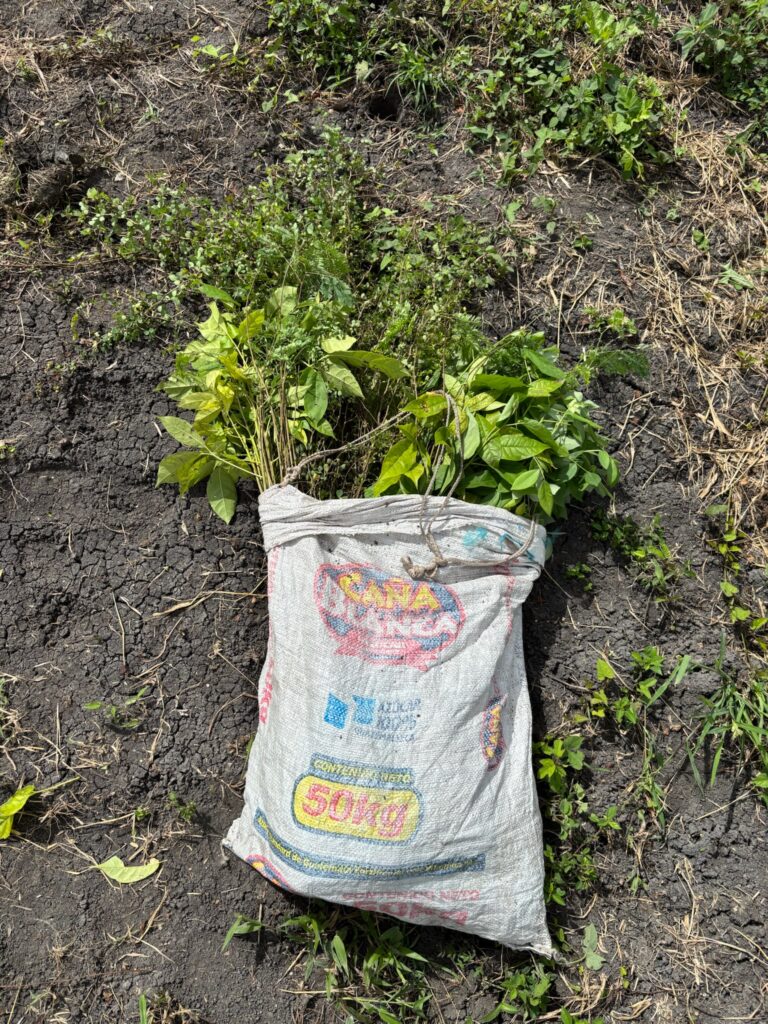
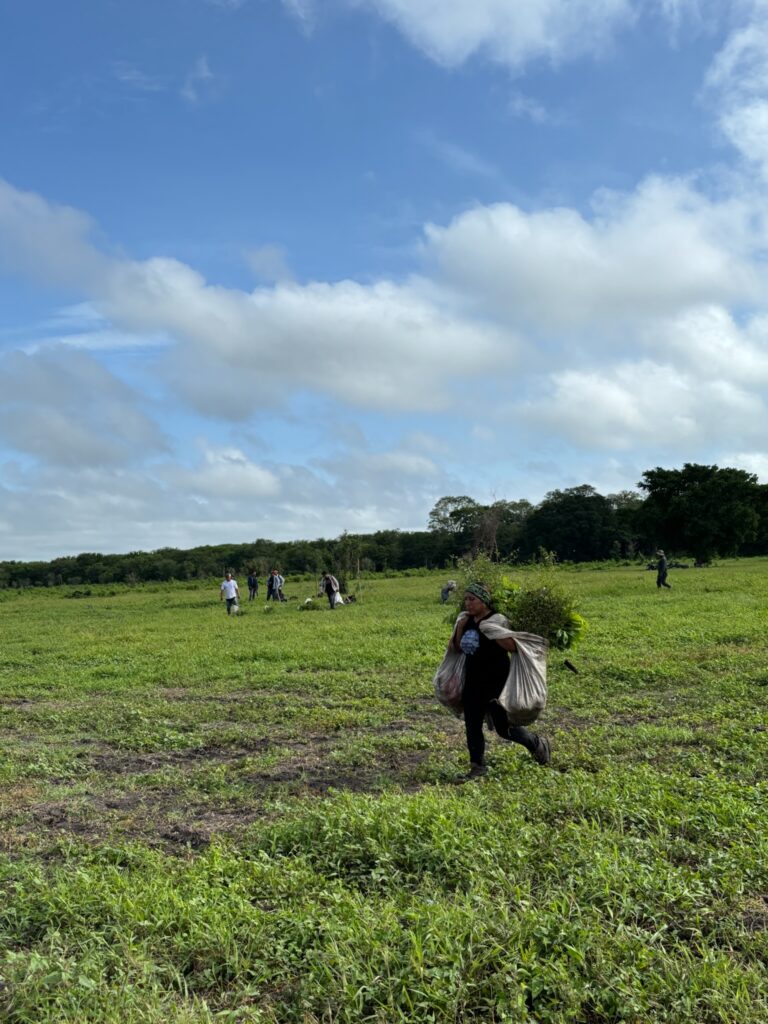
The highest risk of seedling mortality occurs during planting. This is why planting is done during the rainy season, when moisture increases survival rates.
Seedlings are carefully transported to the site only after all holes are prepared. They are gently placed into the ground, and their roots are covered with damp soil, which helps fill gaps and stabilise them.
We plant groups of three different tree species together. This prevents the forest from developing into a monoculture and instead supports biodiversity. Different species require different resources, allowing them to coexist without directly competing.
6 Protect young trees
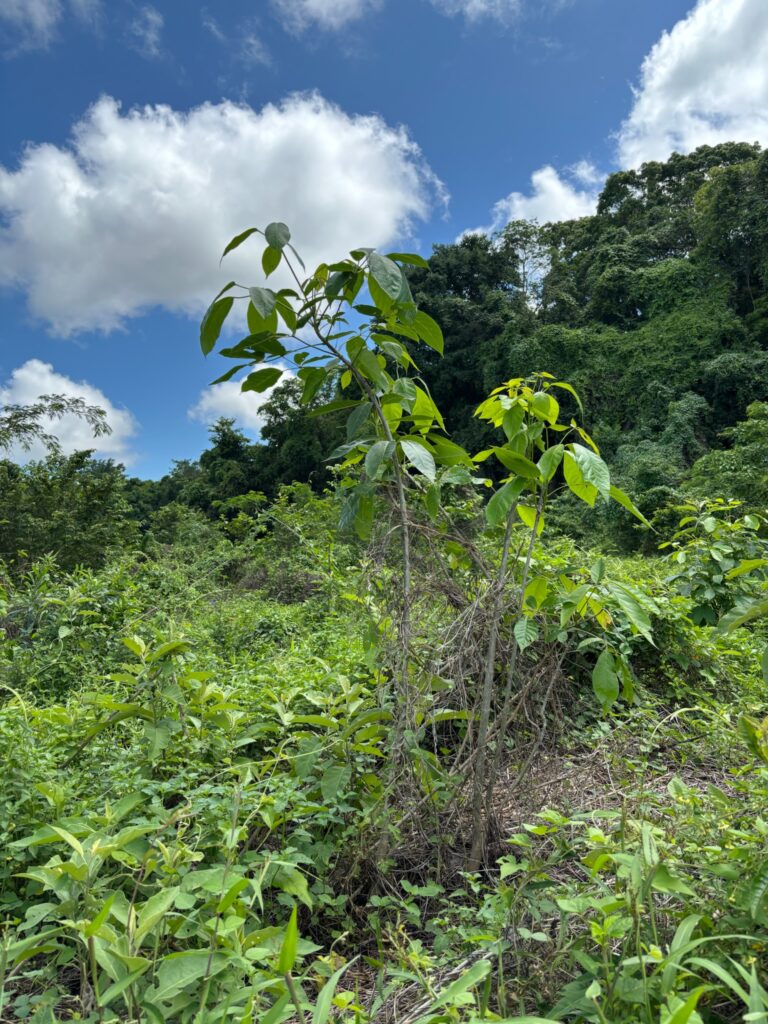
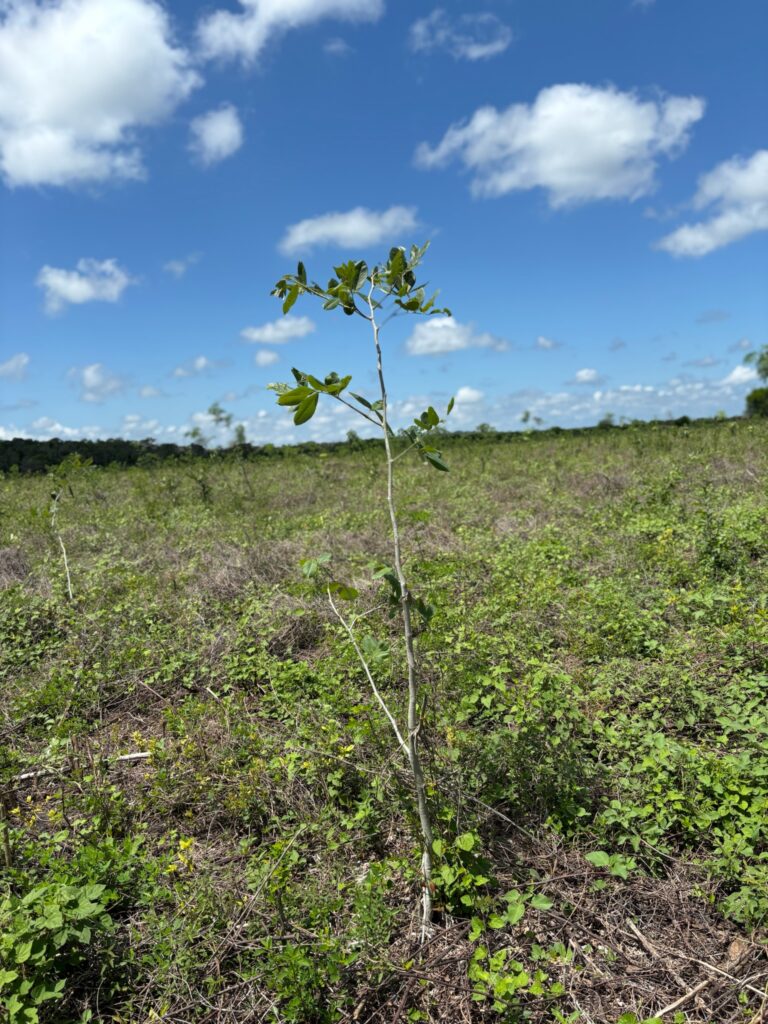
In the early years, fast-growing grasses compete with seedlings for water and sunlight, threatening their survival. We regularly clear vegetation around young trees to ensure they have enough space and resources to grow.
Grasses and weeds also increase fire risk. During the rainy season, they grow rapidly; in the dry season, they dry out and become highly flammable. Even a distant spark can spread quickly across such areas. To mitigate this, we cut back vegetation and create firebreaks to protect young forests.
We also use natural fire prevention strategies, such as partnering with beekeepers (read a blog about this here). Bees support the growth of certain grasses that outcompete more problematic weeds. These grasses are easier to manage and reduce reliance on intensive clearing methods.
7 Long-term monitoring
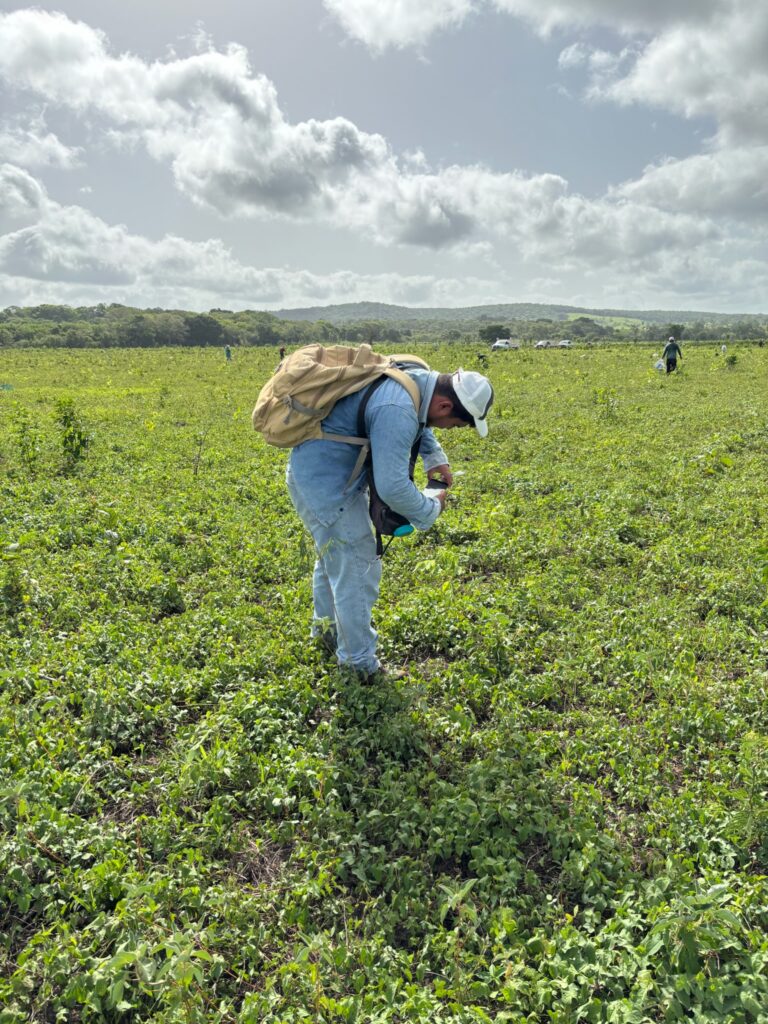
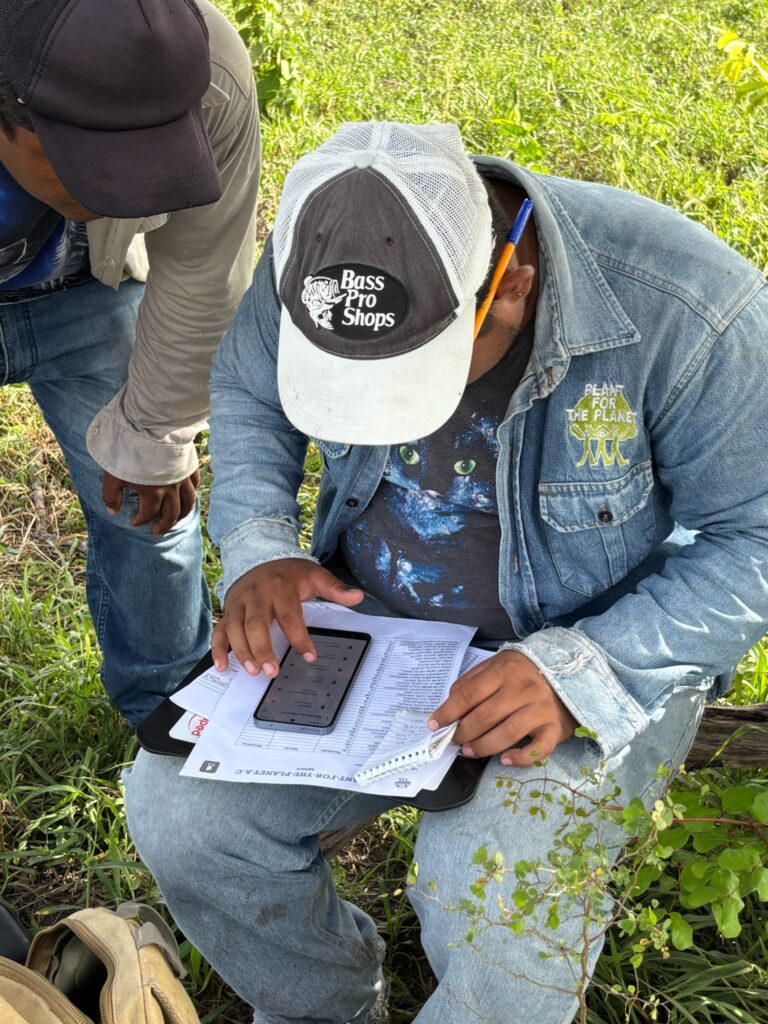
We continuously monitor seedlings and the wider ecosystem to understand what works and improve what does not. Using distributed monitoring plots, we collect data year-round to measure and strengthen impact.
Feedback from planters and local partners also helps refine planting and seed collection methods. Observing older restoration sites allows us to anticipate challenges and improve outcomes in newer forests.
Every step of the process is essential! Explore our other restoration blogs to learn more about how we restore forests.
- 04.07.26
How Every Step Supports Biodiverse Forests: Seven steps from degradation to biodiversity
Forest restoration is a step-by-step process that starts with understanding the land and continues long after the seedlings are in the ground. Each stage…  03.19.26
Empowering Young Ambassadors at The World Sustainable Development Summit 2026: “We Were the Youngest in the Room, But We Didn’t Feel Small”
Plant-for-the-Planet Ambassadors recount their first international conference at the World Sustainable Development Summit 2026: A few days ago, we found ourselves walking into something… 03.17.26
The German Federal Climate Protection Act: Germany’s climate targets and their global significance
New greenhouse gas projections for Germany’s climate targets have been presented. Soon, the federal government will respond with a climate action program. This article… 03.11.26
WSDS 2026: Reflections from the Ground as a Plant-for-the-Planet Delegate
“परिवर्तन / Parivartan” means transformation. TERI, the organizer of the World Sustainable Development Summit 2026 (WSDS), deliberately chose it as the theme for the…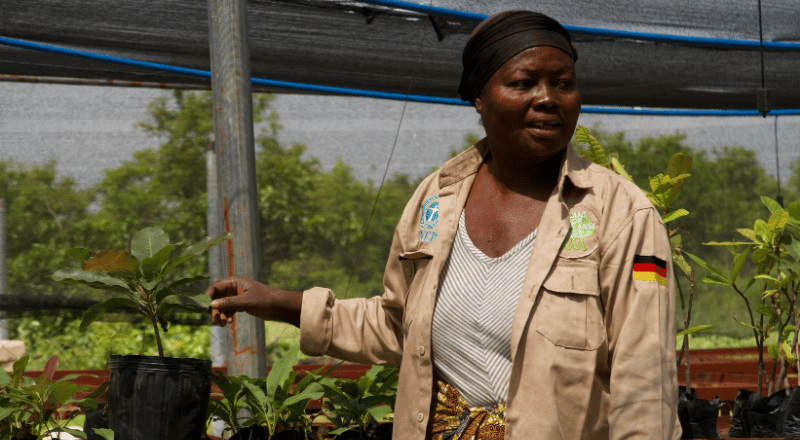 02.16.26
When the dry season brings storms: rebuilding our tree nursery in Ghana
In northern Ghana, the dry season is usually just that: very dry. From roughly November to March, rainfall is typically minimal, and communities and…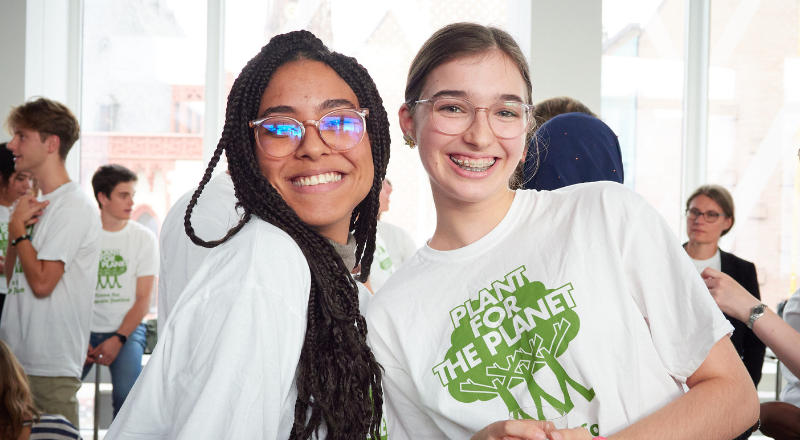 02.11.26
Young Climate Leaders United: The Global Ambassador Council 2025–2027
As one Council member puts it: “Leadership isn’t about having all the answers. It’s about showing up consistently, learning with humility, and taking bold…


