

December 18, 2025

Plant-for-the-Planet
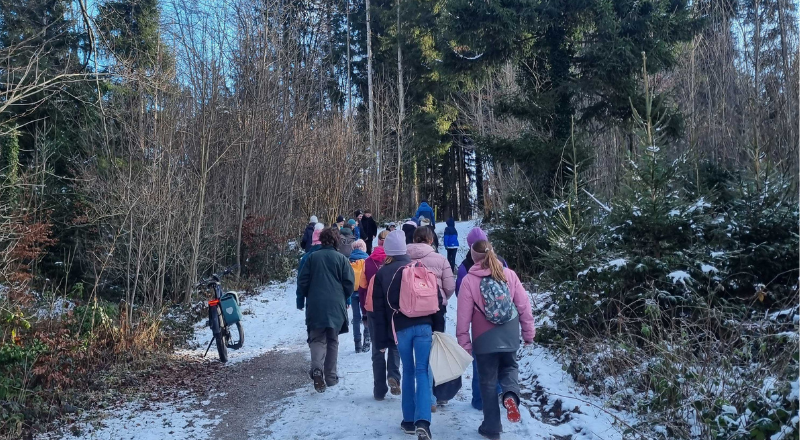
On November 28, 2025, the time had come: At Rupert-Neß-Gymnasium (RNG) in Wangen, 43 children and young people were able to experience a Plant-for-the-Planet academy.
After checking in and being welcomed by the Plant-for-the-Planet team, participants attended a presentation by climate justice ambassador Eva, who explained what the climate crisis is, the dramatic effects it is having, and how much injustice there is in the world. They learned that restoring forest ecosystems can help alleviate these problems. They also learned how Plant-for-the-Planet came about, what successes we have achieved so far, and how they, as young people, can get involved and work for our future.
Experiencing climate justice: From simulation game to idea
The subsequent simulation game was lively: we discussed the question of what should happen to a burned-down forest area. The children took on very different roles—from climate activists to the management of a cattle farm to city council members or employees of a coal-fired power plant. It quickly became apparent how different their interests were and how difficult it is to find a solution that suits everyone. The simulation game helped the children and young people understand that in “real” politics, quick solutions often fail because of difficult conflicts between social, economic, and ecological interests.
In the subsequent action workshop, the participants themselves became active. Together, they gathered ideas on how to raise awareness of the climate crisis in their communities and take action themselves. The suggestions came thick and fast: some children thought about setting up an information stand at the town market, where they could display Plant-for-the-Planet flyers and educate people about the climate crisis. Other ideas high on the list included restoring a school garden, organizing a plogging event (jogging while picking up trash), and writing and publishing a newspaper article.
Working together: Great planting success for the children
Well fortified after a serving of vegetable lasagna, we headed outside in the afternoon. The children grabbed their mud boots and spades and made their way to the planting area. Forester Korbinian Feierle and his colleague Isabella explained a few things about the planting area and the challenges trees have to cope with in times of climate crisis. That is why trees are being planted that can cope better with the changed conditions than spruce trees, for example.
Korbinian and Isabella showed us how to plant the seedlings so that the trees would have the best possible chance of survival. Digging the planting holes was anything but easy—the ground was full of roots and stones. But the effort paid off: on this cold but sunny winter afternoon, the RNG students planted a total of 40 oak trees. It was a result that no one had expected at the beginning—and one that everyone could be proud of.
Back at school, we took time for a final round together. We looked back on the day’s experiences before all participants ceremoniously received their certificates and were officially appointed ambassadors for climate justice.
A big thank you to all our supporters
As a moderation team, we had a lot of fun on this day, it was great to work with you! We are pleased that more motivated people are now committed to our future! Thank you very much!
Special thanks go to the teachers of the Rupert-Neß-Gymnasium Andreas Vochezer and Gabriele Kussmaul, who made this academy possible with their commitment.
Become active yourself now!
Would you also like to participate in an academy and become an ambassador for climate justice? Sign up here or write to us [email protected] – we are looking forward to seeing you!
 03.05.26
Protect rainforests with every chocolate bar: The new Good Bar from Plant-for-the-Planet
Tutzing, March 5, 2026. After planting over 11 million trees with Die Gute Schokolade (The Good Chocolate), Plant-for-the-Planet is launching a new product: Der… 02.16.26
When the dry season brings storms: rebuilding our tree nursery in Ghana
In northern Ghana, the dry season is usually just that: very dry. From roughly November to March, rainfall is typically minimal, and communities and… 02.11.26
Young Climate Leaders United: The Global Ambassador Council 2025–2027
As one Council member puts it: “Leadership isn’t about having all the answers. It’s about showing up consistently, learning with humility, and taking bold…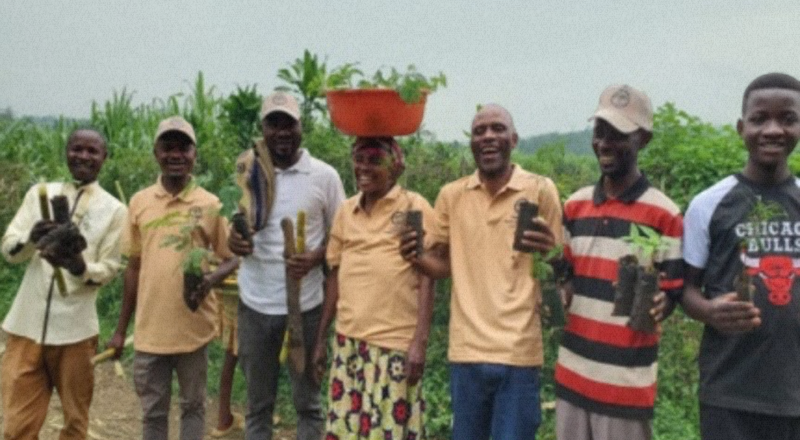 02.10.26
Forest Restoration as Survival in the War-Torn Congo Basin
“Everyone turns to the forest because there are no alternatives.” How Indigenous Peoples Restore Life in the Congo Basin This year at COP30 in…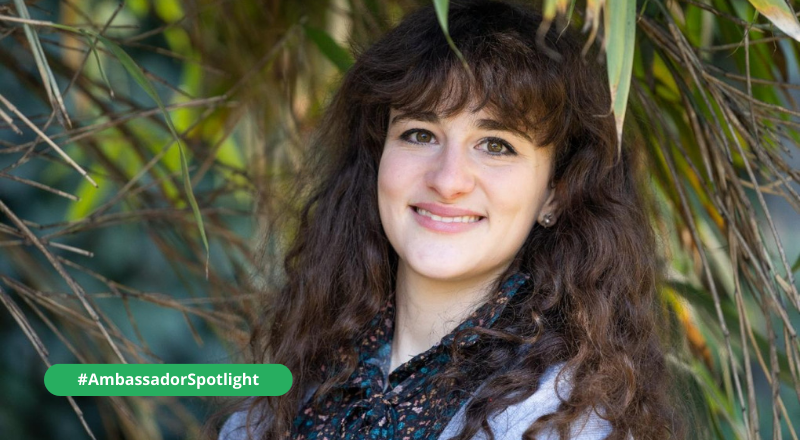 01.22.26
Meet Ariane: A Gen Z Story of Climate Action and Hope
From the series on inspiring Climate Justice Ambassadors worldwide “Last year marked 15 years that I’ve been a climate, environmental, and youth advocate. I…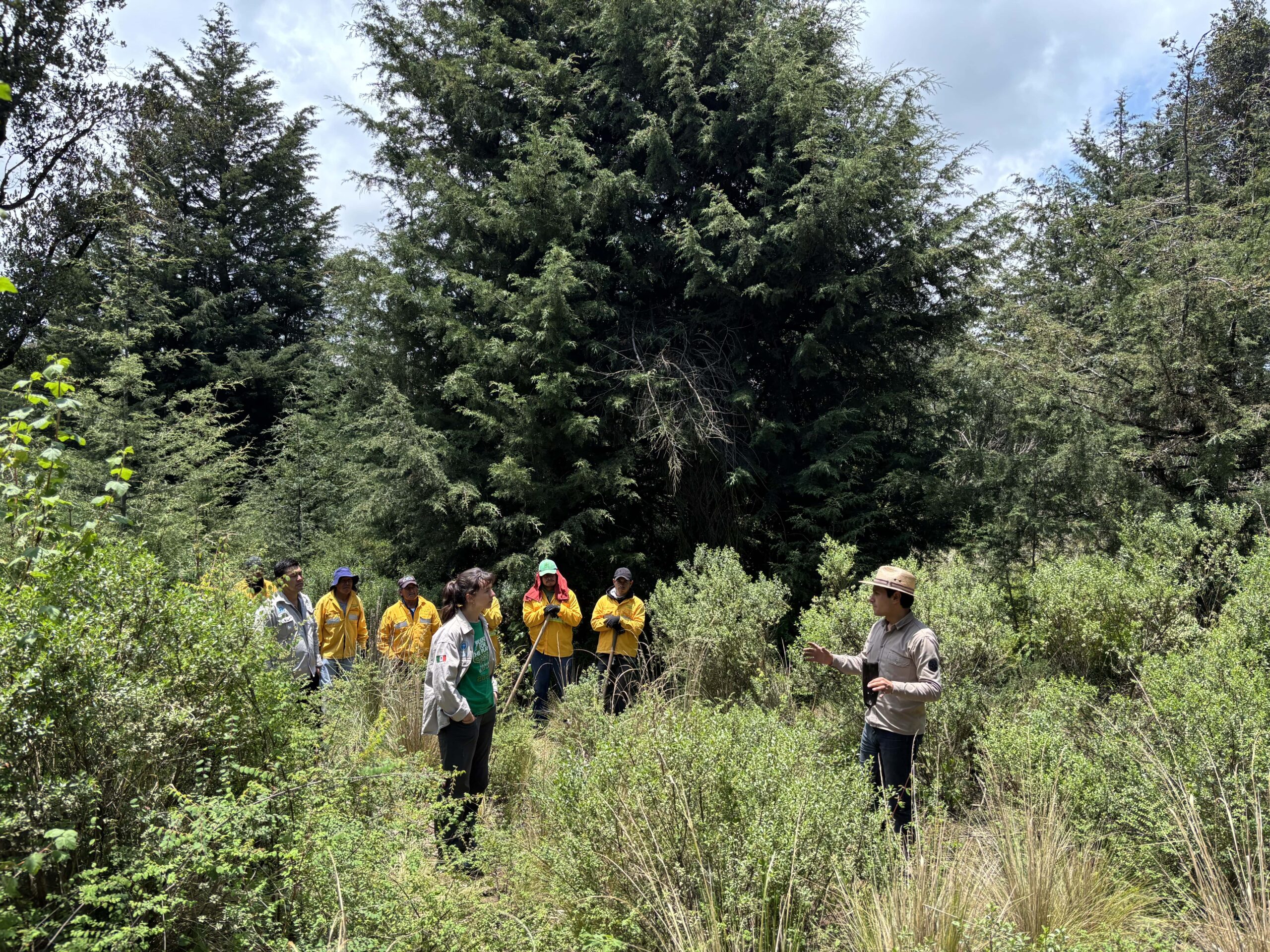 01.19.26
From a Chocolate Bar to a Tree – How We Create Transparency at The Change Chocolate
Eating a bar of chocolate and doing something good for the climate at the same time – that very idea gave rise to The…


