

February 11, 2026

Plant-for-the-Planet
As one Council member puts it: “Leadership isn’t about having all the answers. It’s about showing up consistently, learning with humility, and taking bold steps to drive change.”
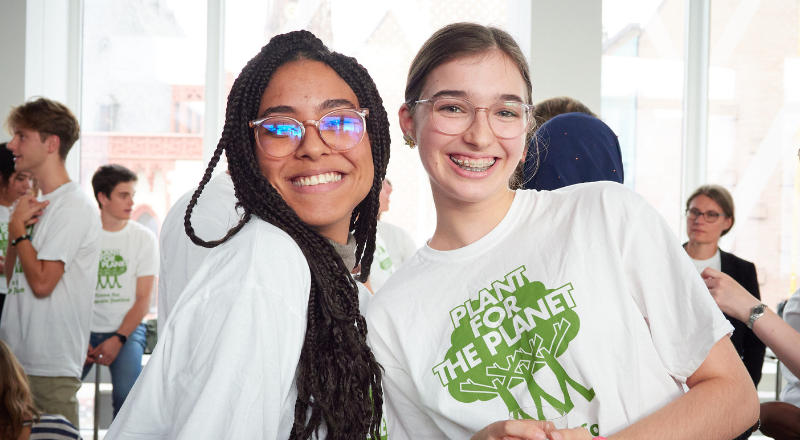
The Global Ambassador Council is the official youth leadership body of Plant-for-the-Planet, representing Climate Justice Ambassadors and climate activists from around the world and helping shape the direction of the global youth movement for climate justice.
Council members serve for two years, collaborating across regions, supporting projects, representing youth voices, and co-creating initiatives within the global community. Over this time, they work together across continents and time zones to strengthen the global Climate Justice Ambassador community, develop initiatives, and turn ideas into collective action.
The newly elected Council brings together 16 young leaders from 12 countries across the global regions, connecting local experiences with global collaboration. It creates space for young people to learn from each other, to lead together, and to ensure that youth voices are not only heard, but meaningfully included. We are very happy to introduce the Global Ambassador Council for 2025–2027!
The Council is not only defined by its structure or decision-making power. It is shaped by people, driven individuals from around the world uniting for the same cause: climate action for a livable future for all, and the journeys that brought them there.
From personal experience to climate action
There is no single moment that leads a young person into climate action. At Plant-for-the-Planet, we believe in children and youth finding their own path, and in building a global community that supports them along the way. Youth empowerment means trusting young people as leaders today, creating spaces where they can learn, take responsibility, and turn ideas into action together.
For many new Council members, there is a moment when the climate crisis became personal and impossible to ignore. For Matilda, the climate crisis became real on an ordinary school day in New York. Heavy rain flooded the subway line she depended on. Students were stranded, some walking across bridges in the pouring rain just to get home. Across the world in Jakarta, Bryan remembers coastal flooding and disappearing mangrove forests. That loss turned into motivation. He started guiding local forest restoration and bringing Indonesian youth voices into global climate discussions. In Rwanda, Nicole’s path grew from conservation work and youth networks. Working closely with other young people made one thing clear to her: leadership had to happen now. And in Cameroon, Hilux’s climate journey is tied to displacement, becoming a climate refugee and turning that experience into education initiatives, digital platforms, youth advocacy, and policy engagement both locally and globally.
These are only a few of the stories that brought this group together. They come from different continents, cultures, and realities, but they show something powerful: when young people see the climate crisis affecting their communities, they act. They organize, they build initiatives, and they drive change.
Climate education and empowerment in action
Climate education is a crucial step toward a more just future. Empowering young people means enabling them not only to understand the climate crisis, but to become part of the solution. Youth empowerment means learning by doing, restoring and protecting forests, leading projects, speaking up, and supporting each other across borders.
For some Council members, climate action also began with education, organizing workshops, working with children, or creating tools that make environmental knowledge accessible and empowering. For others, it began with restoring ecosystems, protecting forests, or supporting communities affected by the climate crisis. Some entered climate action through activism and policy engagement, learning how local experiences connect to global decision-making spaces. Others found their path through storytelling, entrepreneurship, or building youth communities that keep people engaged after their first step into climate action.
This term’s president, 17 years old, Eva Jedani, explains: “I see a lot of value in the Council, especially because of how it ensures that the voices of Youth are included in the organisation, not only in theory, but in practice. This active step towards including young people in climate decision-making has always been something I envisioned as the next step in my Plant-for-the-Planet journey because it is an opportunity to consolidate my experience on the ground into a leadership role.”
Each journey is different, but together they form a shared purpose and new synergies within the global movement. Real change happens when people connect, and in diversity there lie synergies.
 03.19.26
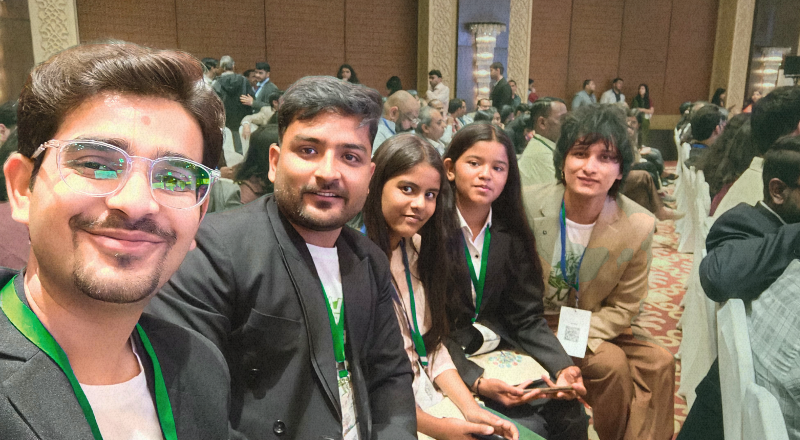
Empowering Young Ambassadors at The World Sustainable Development Summit 2026: “We Were the Youngest in the Room, But We Didn’t Feel Small”
Plant-for-the-Planet Ambassadors recount their first international conference at the World Sustainable Development Summit 2026: A few days ago, we found ourselves walking into something…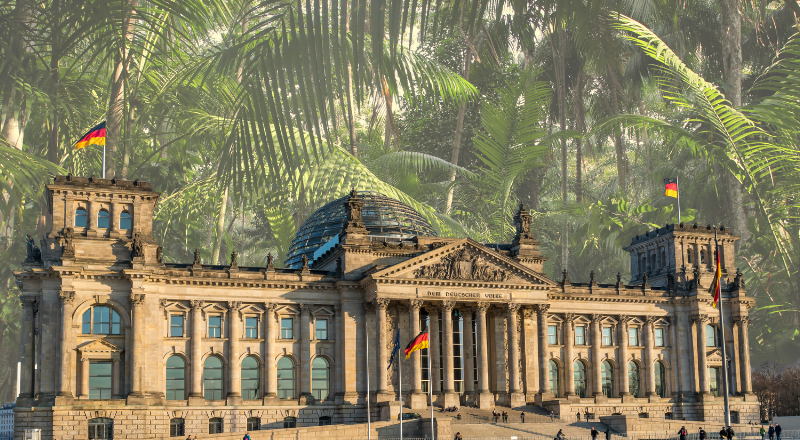 03.17.26
The German Federal Climate Protection Act: Germany’s climate targets and their global significance
New greenhouse gas projections for Germany’s climate targets have been presented. Soon, the federal government will respond with a climate action program. This article…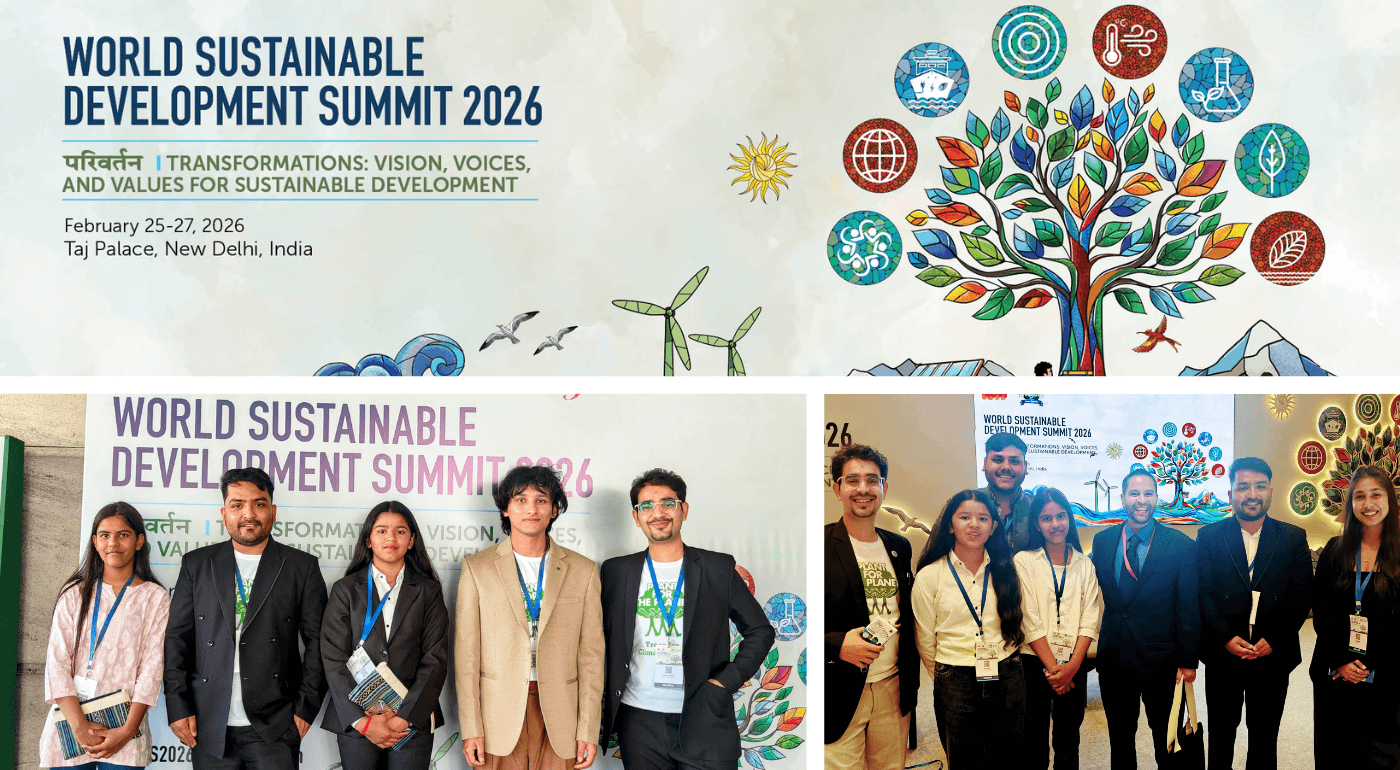 03.11.26
WSDS 2026: Reflections from the Ground as a Plant-for-the-Planet Delegate
“परिवर्तन / Parivartan” means transformation. TERI, the organizer of the World Sustainable Development Summit 2026 (WSDS), deliberately chose it as the theme for the… 02.16.26
When the dry season brings storms: rebuilding our tree nursery in Ghana
In northern Ghana, the dry season is usually just that: very dry. From roughly November to March, rainfall is typically minimal, and communities and…- 02.11.26
Young Climate Leaders United: The Global Ambassador Council 2025–2027
As one Council member puts it: “Leadership isn’t about having all the answers. It’s about showing up consistently, learning with humility, and taking bold…  02.10.26
Forest Restoration as Survival in the War-Torn Congo Basin
“Everyone turns to the forest because there are no alternatives.” How Indigenous Peoples Restore Life in the Congo Basin This year at COP30 in…


