

February 16, 2026

Plant-for-the-Planet
In northern Ghana, the dry season is usually just that: very dry. From roughly November to March, rainfall is typically minimal, and communities and farmers rely on this predictable rhythm to prepare fields, repair infrastructure, and plan the growing season ahead. These seasonal patterns shape agricultural work, local livelihoods, and the timing of forest restoration activities.
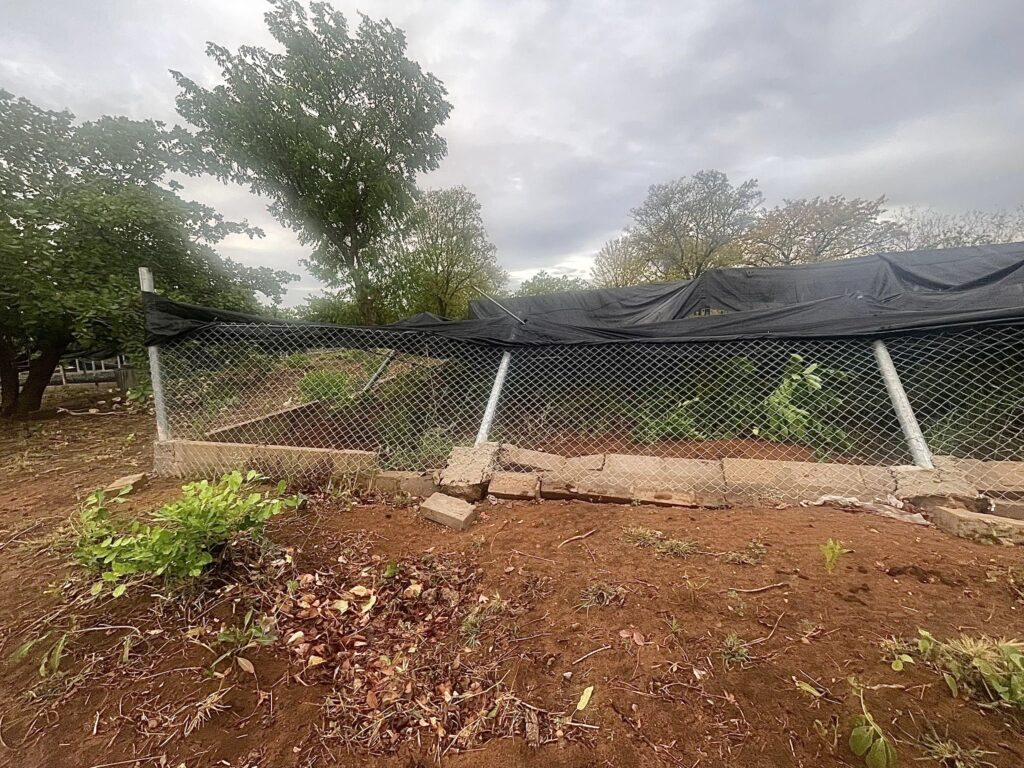
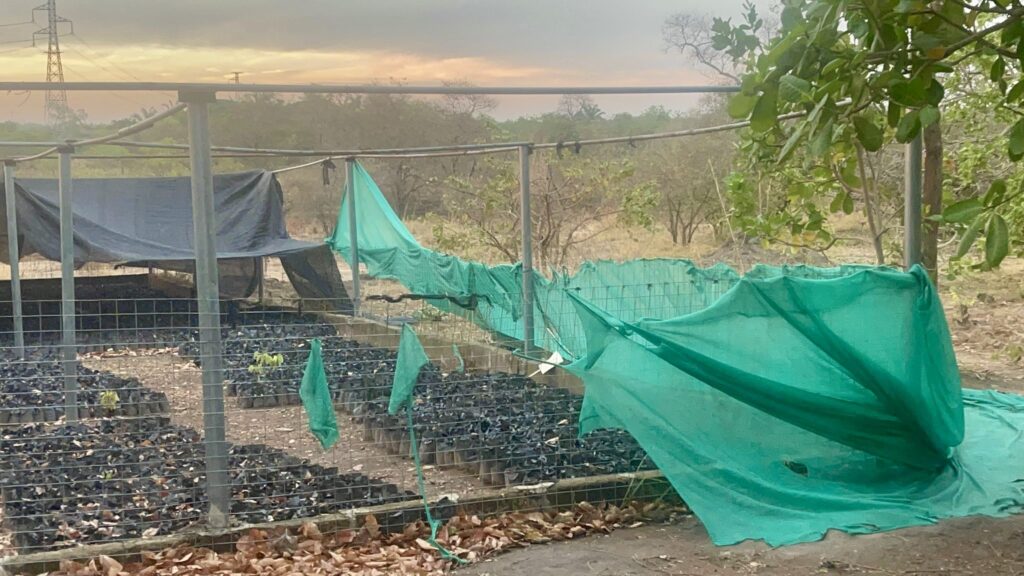
But last week, this familiar and important rhythm was interrupted. An unusually strong storm hit the Plant-for-Ghana project region, damaging the tree nursery that is at the heart of our forest restoration work. A storm during the dry season is unusual, but with the climate crisis, extreme weather events are becoming more frequent and less predictable, sometimes occurring outside their typical seasons.
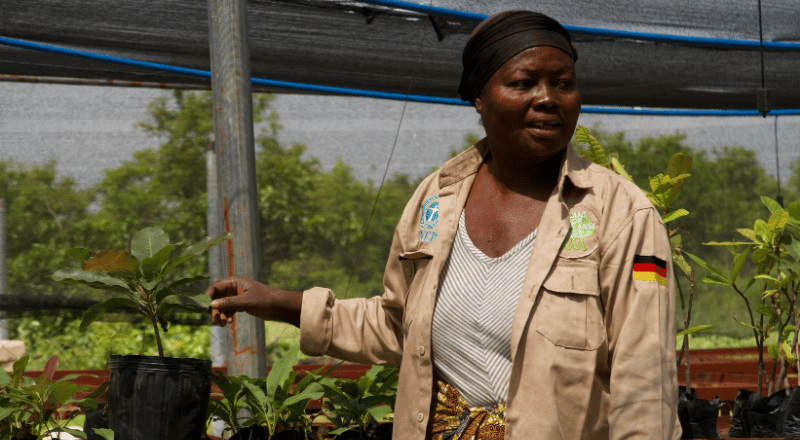
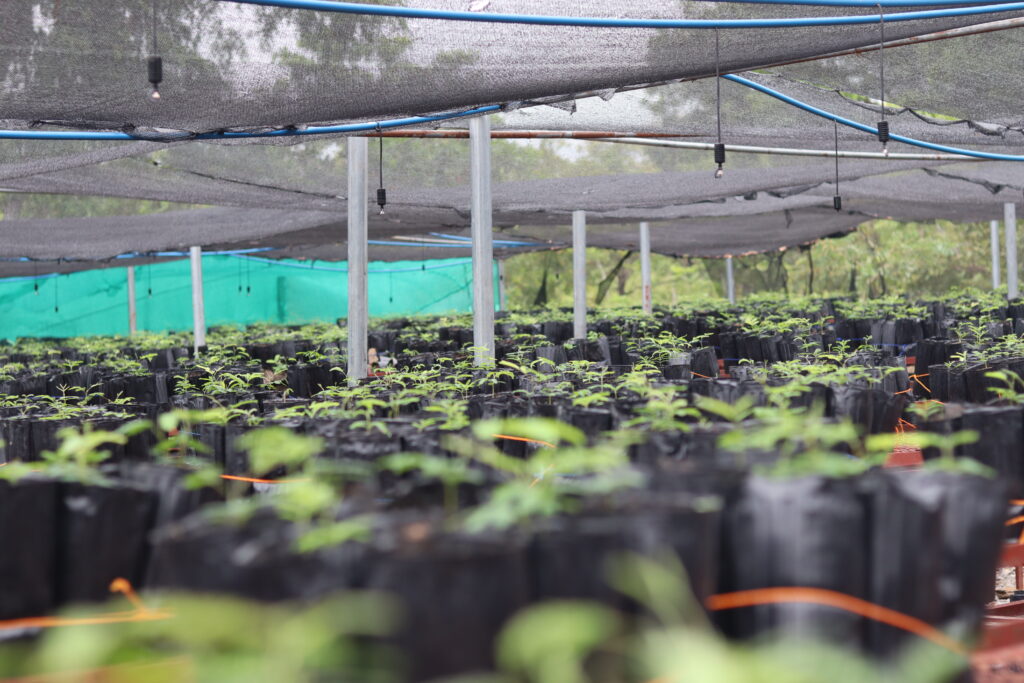
At Plant-for-Ghana, the nursery is where thousands of young trees begin their journey into restored forests, and where local women are employed, trained, and earn an income. When our nursery functions well, restoration across the region around Bamboi becomes possible.
This storm is a reminder that the climate crisis is not only something we are working to solve, it already affects the work itself. And that means we must adapt and rebuild.
➥ You can help us rebuild the tree nursery here.
How is climate change reshaping rainfall patterns in West Africa?
Across West Africa, rainfall patterns are becoming more unpredictable. Scientists expect more erratic rainfall, heavier downpours, and longer dry periods as the planet warms. The IPCC reports with high confidence that the frequency and intensity of heavy precipitation events are increasing across Africa as global temperatures rise. Globally, extreme rainfall events are intensifying because warmer air can hold more moisture.
Even in regions where total annual rainfall may decrease over time, short and intense storms are becoming more likely, often causing flooding, soil erosion, and damage to infrastructure. In Ghana, rainfall has already become more variable, and long-term trends show changing precipitation patterns that affect agriculture and local livelihoods. For communities that depend on predictable seasons, these changes matter deeply. Farming calendars, water availability, food security, and forest restoration efforts are closely tied to seasonal rainfall patterns.
Forest restoration depends on these rhythms as well. Seedlings must be grown, transported, and planted at the right time to survive. Tree nurseries rely on stable conditions to protect young plants, and planting activities depend on reliable rains to help trees establish strong roots.
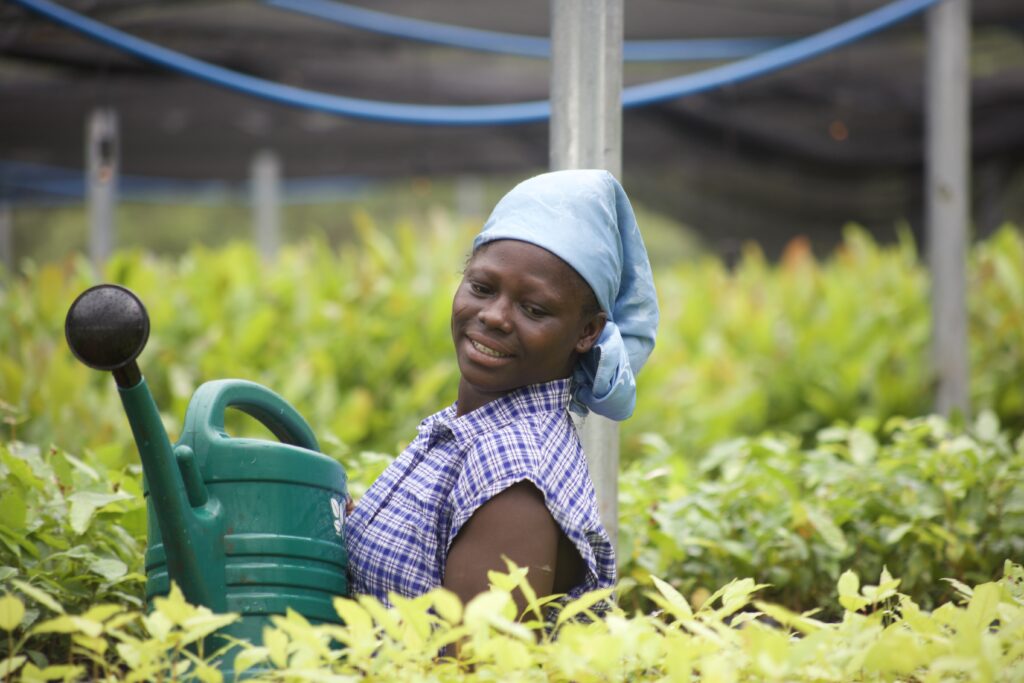
Rebuilding the tree nursery and making it more resilient
This is why rebuilding our nursery infrastructure is urgent. The storm caused significant damage, and without repairs, restoration work cannot continue as planned. We now need support for materials and local manpower to rebuild the nursery and to strengthen it so it can become more resilient to future extreme weather. Restoring forests is part of the solution, but restoration itself must become more resilient to a changing climate.
The storm damaged infrastructure, but not the commitment of the people working in the nursery, and not the vision behind Plant-for-Ghana. Our long-term restoration project in northern Ghana combines forest restoration with social impact, and the tree nursery in Bamboi is the starting point for both.
➥ You can support the nursery reconstruction here.
With your support, the nursery can be rebuilt quickly, seedlings can continue growing, and restoration work can move forward. Because even as the climate crisis makes this work harder, it also makes it more important than ever.
 03.19.26
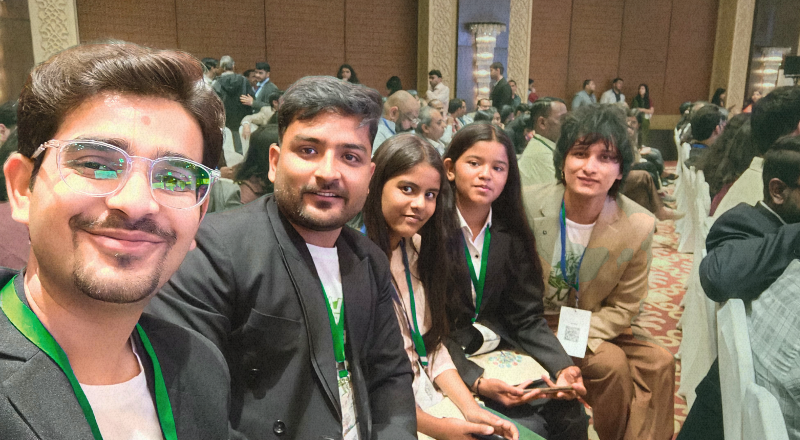
Empowering Young Ambassadors at The World Sustainable Development Summit 2026: “We Were the Youngest in the Room, But We Didn’t Feel Small”
Plant-for-the-Planet Ambassadors recount their first international conference at the World Sustainable Development Summit 2026: A few days ago, we found ourselves walking into something…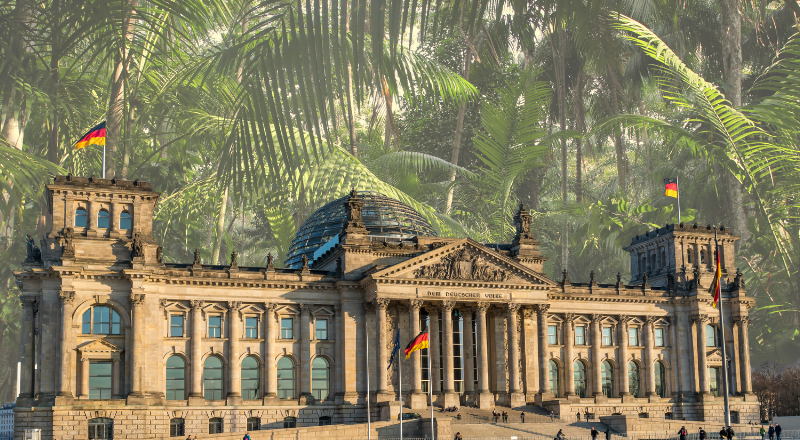 03.17.26
The German Federal Climate Protection Act: Germany’s climate targets and their global significance
New greenhouse gas projections for Germany’s climate targets have been presented. Soon, the federal government will respond with a climate action program. This article…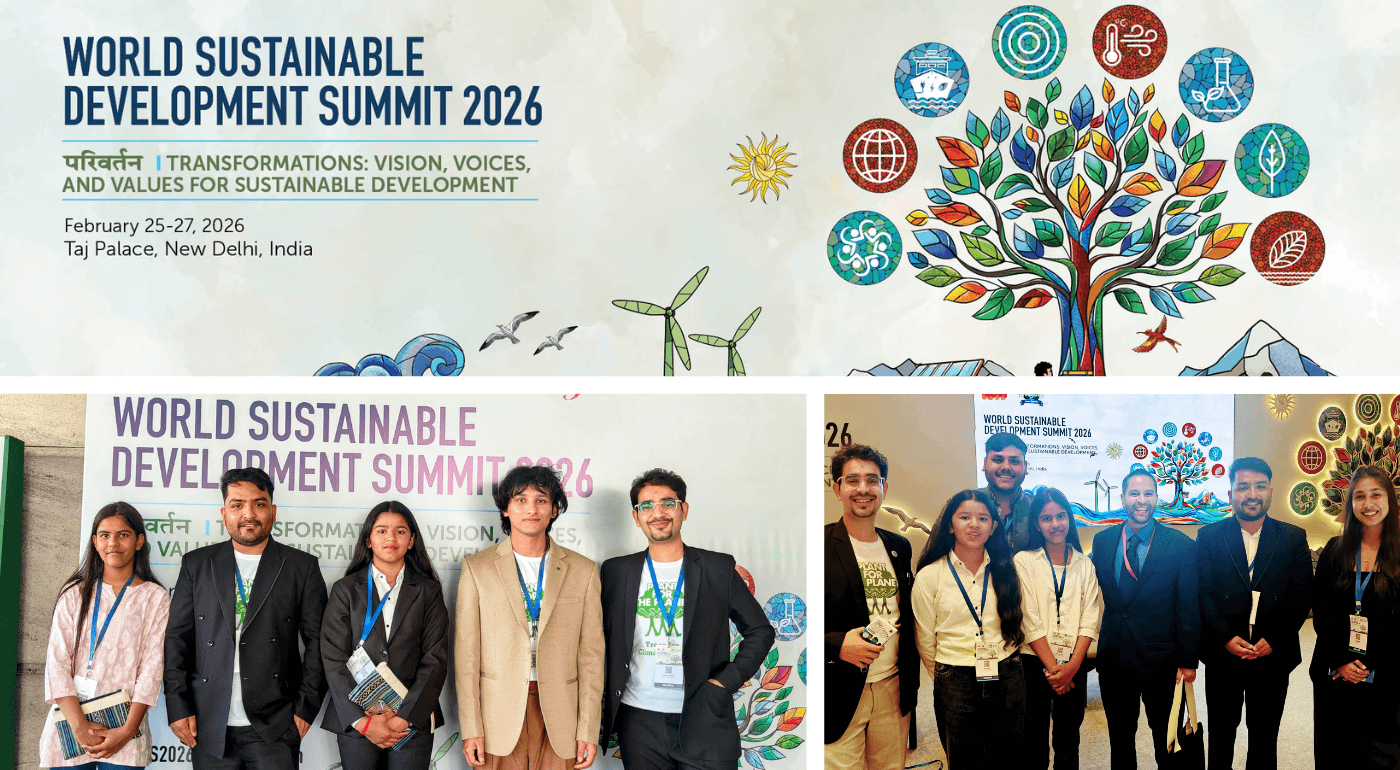 03.11.26
WSDS 2026: Reflections from the Ground as a Plant-for-the-Planet Delegate
“परिवर्तन / Parivartan” means transformation. TERI, the organizer of the World Sustainable Development Summit 2026 (WSDS), deliberately chose it as the theme for the…- 02.16.26
When the dry season brings storms: rebuilding our tree nursery in Ghana
In northern Ghana, the dry season is usually just that: very dry. From roughly November to March, rainfall is typically minimal, and communities and… 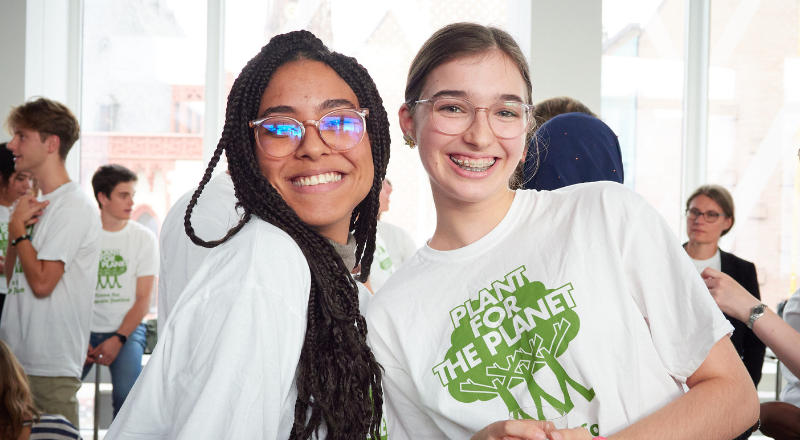 02.11.26
Young Climate Leaders United: The Global Ambassador Council 2025–2027
As one Council member puts it: “Leadership isn’t about having all the answers. It’s about showing up consistently, learning with humility, and taking bold…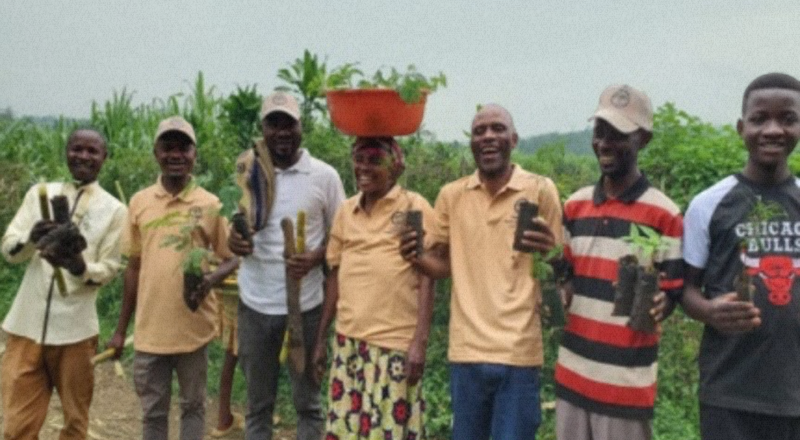 02.10.26
Forest Restoration as Survival in the War-Torn Congo Basin
“Everyone turns to the forest because there are no alternatives.” How Indigenous Peoples Restore Life in the Congo Basin This year at COP30 in…


