

April 27, 2026

Frieda Binnig
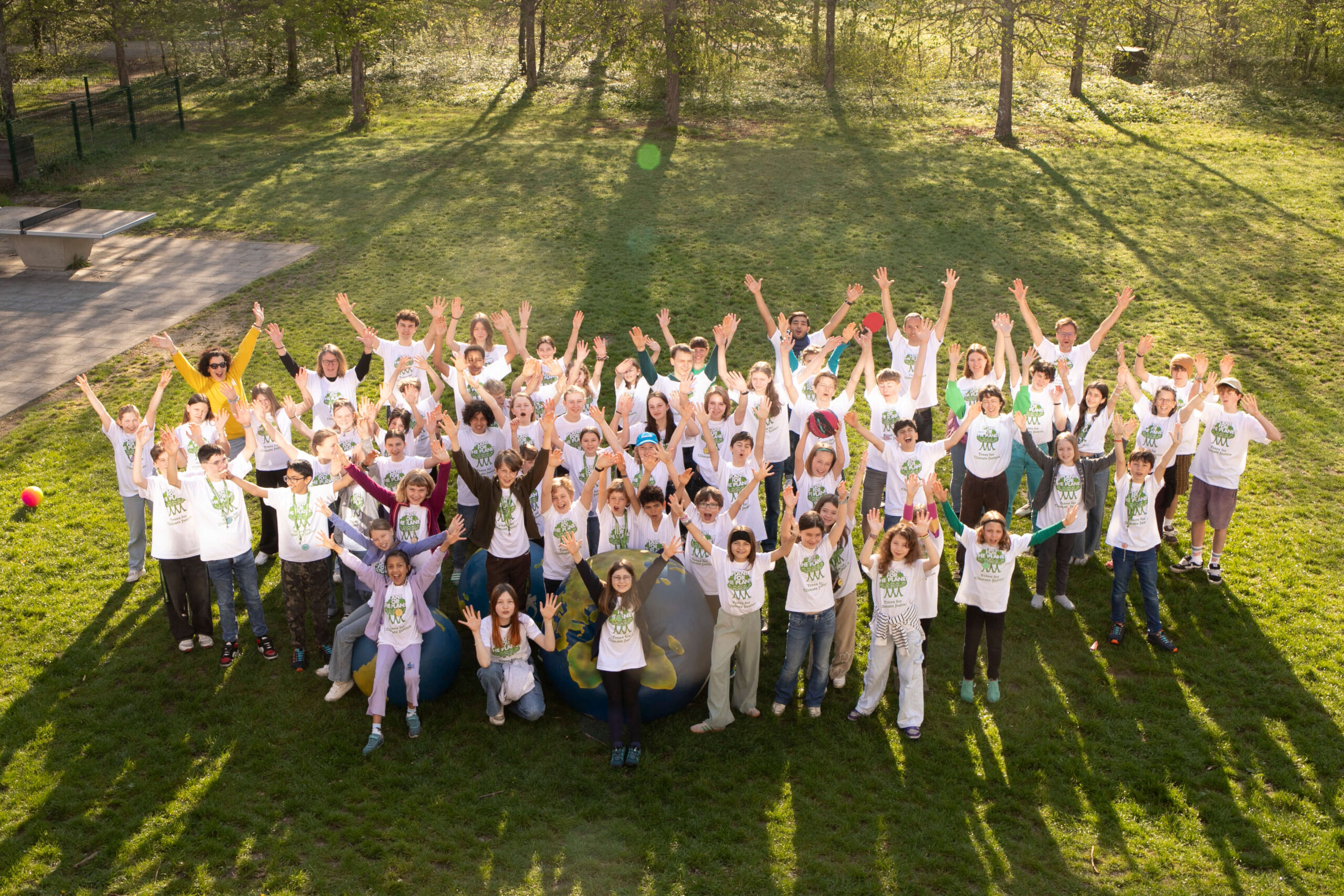
Around 60 children and young people made it clear at the Plant-for-the-Planet Children’s Conference in Possenhofen that they no longer want others deciding their future. During a public action in Starnberg, they took to the streets to make their demands for climate justice visible and heard.
Children’s Conference in Possenhofen: Climate Action and Participation
All around the world, children and young people are taking their future into their own hands. We saw this most recently at the COP 30 in Brazil—and now again at the Plant-for-the-Planet Children’s Conference 2026 in Possenhofen. Last weekend made it clear that children and young people want to be taken seriously and are not “too young” to take part in societal debates. The children’s conference provides a space for this—and the opportunity to develop and make their own perspectives visible.
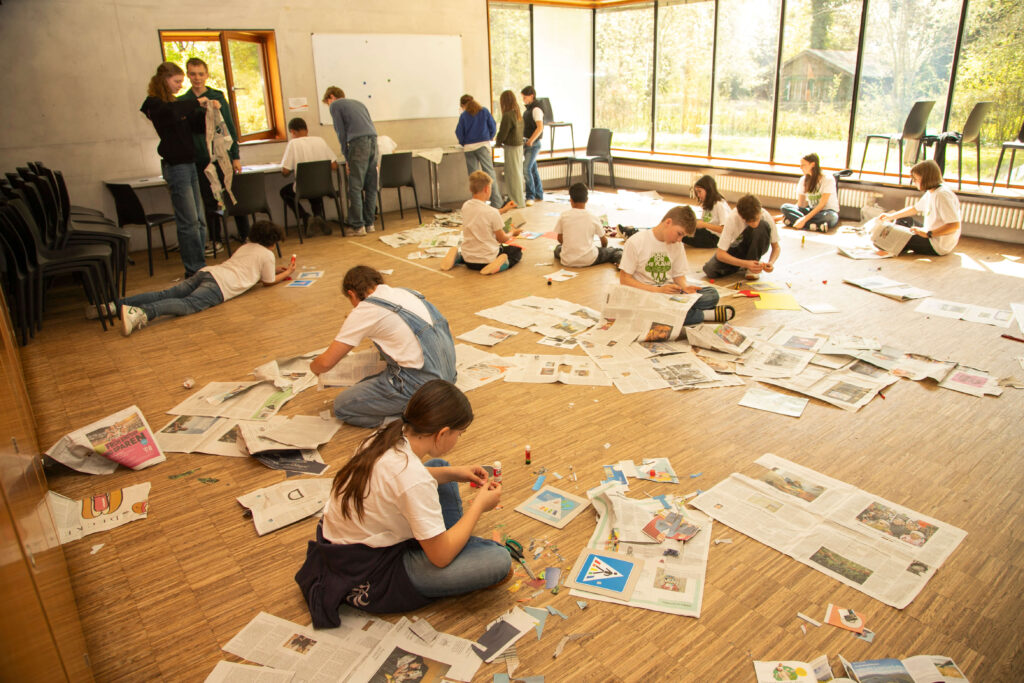
Workshops: Developing, Testing, and Expressing Ideas
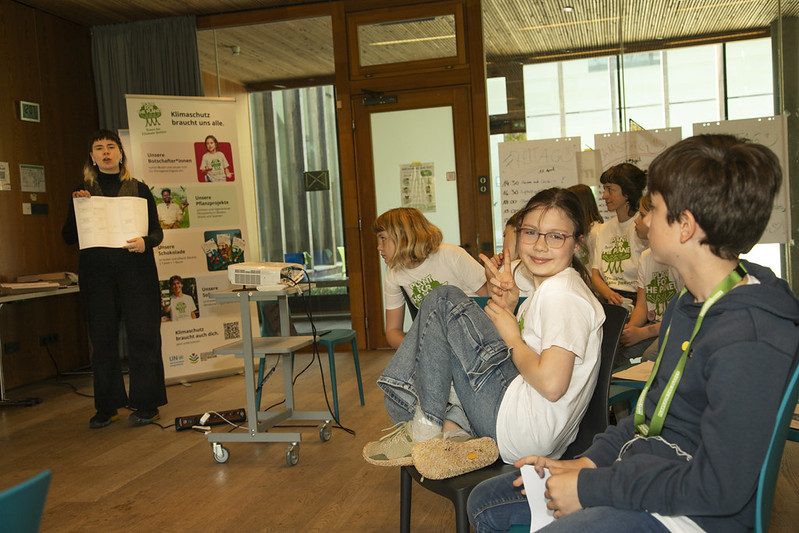
In three workshops, participants explored different approaches to climate and democracy:
- Communication and dialogue: In a workshop led by Ines Heinbach, participants created a theatre piece about communication between children and adults. The focus was on how young people can express their perspectives clearly and confidently.
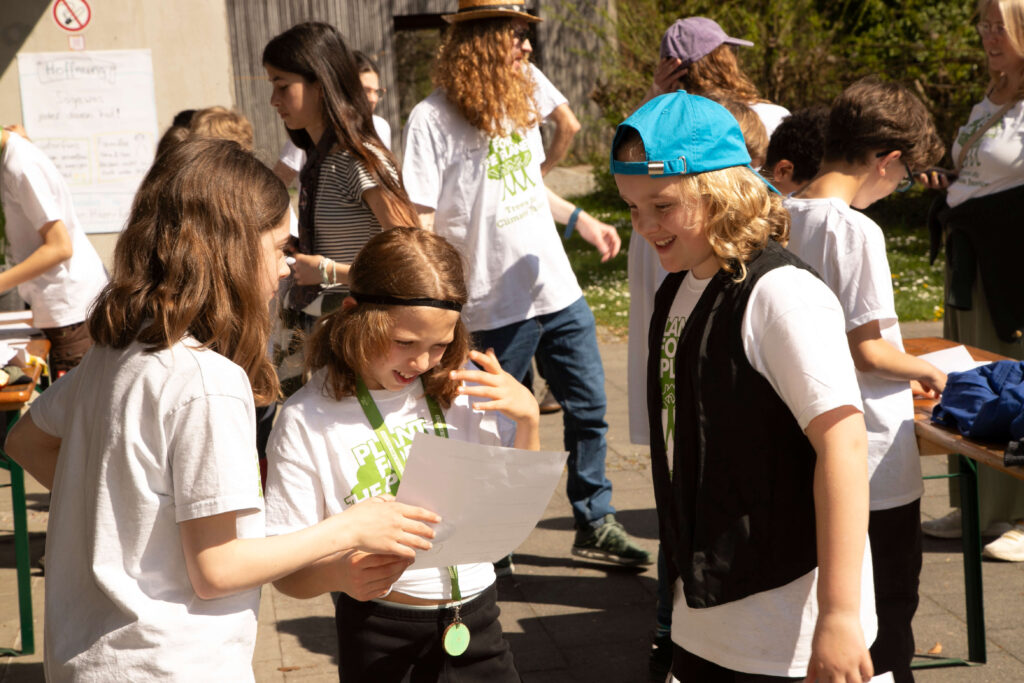
- Protest and participation: Together with Victoria Herbig, the children explored forms of non-violent protest. This included planning flash mobs, writing speeches, and designing their own flyers.
- Justice and cohesion: In a workshop with Johannes Volkmann, participants learned about the “traffic signs of justice.” Based on these, they explored questions of social coexistence and translated their ideas into a creative memory game.
All three workshops combined creative processes with in-depth discussions—while leaving space for individual forms of expression.
100 Trees for Climate Action
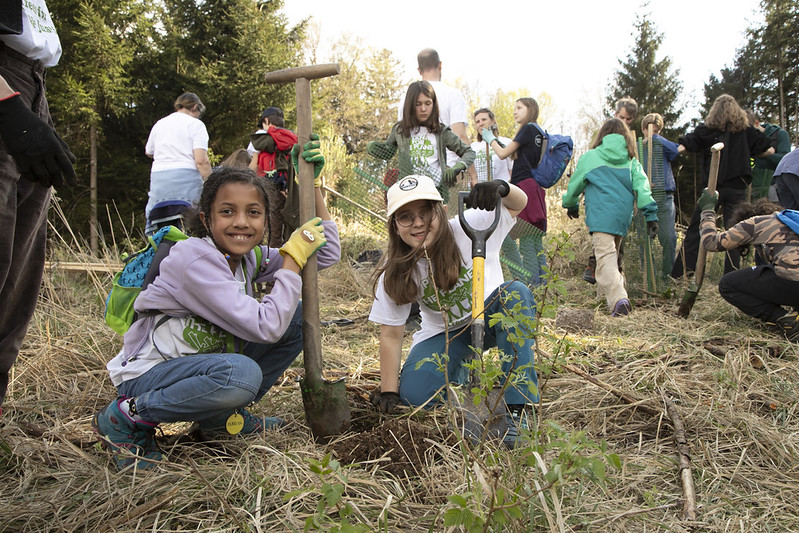
Another highlight took place on Saturday afternoon: guided by a local forester, the children planted 100 trees. With this, they sent a strong signal for climate justice and highlighted the importance of forest ecosystems.
Young Projects and Perspectives
The young Climate Justice Ambassadors also had the opportunity to present their own projects.
Eleven-year-old Noemi founded her own Plant-for-the-Planet Club. She gives presentations, sells The Change Chocolate, and raises awareness about the climate crisis at her school.
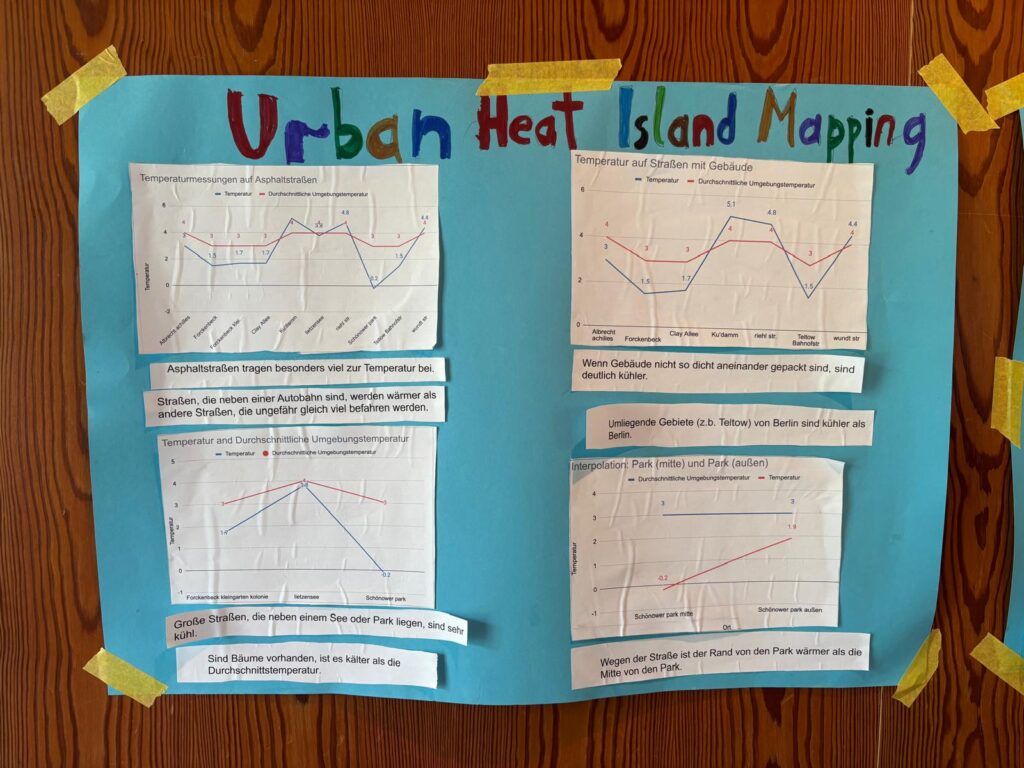
Vedant, 12, from Berlin, approaches the climate crisis from a scientific perspective. He created an Urban Heat Island Map that shows how trees help reduce average temperatures in cities.
These examples highlight how diverse and self-driven engagement can be—even at a young age. Femke and Johannes from the Global Ambassador Council contributed valuable experience and inspiration as long-standing Climate Justice Ambassadors.
Public Action in Starnberg: Children Make Their Voices Heard
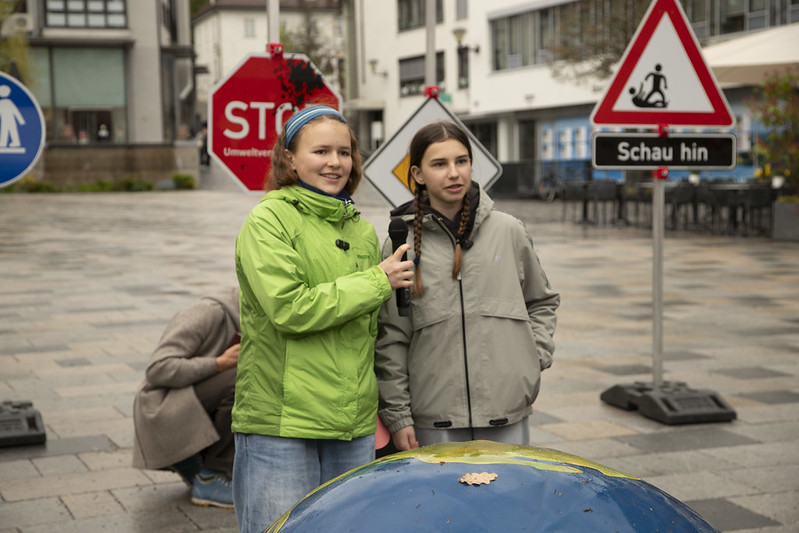
After a rainy start on Sunday morning, the skies cleared just in time for the final event at Starnberg’s Kirchplatz. Moderated by the Climate Justice Ambassadors Lotti (13) and Carla (12), the children presented the results of their workshops and addressed clear messages to policymakers and society.
“The rich cause climate change, but in the end, it’s always the poor who suffer,” said 11-year-old Levi. “If we don’t take action now, the world will already be lost tomorrow.” He also directed criticism at German Chancellor Friedrich Merz.
UNESCO Recognition for Education for Sustainable Development
The event concluded with the symbolic presentation of the “National Award – Education for Sustainable Development (ESD)” to the children.
Plant-for-the-Planet received this award on April 16, 2026, from the German Federal Ministry for Education, Family Affairs, Senior Citizens, Women and Youth, together with the German Commission for UNESCO. It recognizes educational initiatives that empower young people to actively shape sustainable development.
Conclusion: Children and Young People Want to Shape the Future
The Plant-for-the-Planet children’s conference in Possenhofen shows how crucial it is to create dedicated spaces for dialogue and participation, so that children can confidently bring their perspectives into the climate debate. In these protected spaces, they turn interest, enthusiasm, and theoretical knowledge into concrete demands and actions—becoming active agents for climate justice in our democracy and society.
Stay up to date by signing up for our newsletter.
View the online photo album here.
A big thank you for the fantastic support goes to our three workshop facilitators Victoria Herbig, Ines Heinbach, and Johannes Volkmann; forester Jan Borsdorf; our empowerment coordinators; Johannes and Femke from the Global Ambassador Council; bakery Kasprowicz and Privatmolkerei Bechtel for their culinary support; the Protestant parish in Pöcking for the short-notice loan of a pavilion; and the city of Starnberg!
 10.13.26
CBD COP 17 Explained: What the UN Biodiversity Summit Means for Nature
When most people hear the word “COP,” their minds immediately jump to the famous climate conference, the massive UN summits where world leaders, diplomats,… 10.13.26
The Cali Fund: Companies Can Help Protect Global Biodiversity
Every day, we use products that rely on nature in ways we may not even realise. Skincare and cosmetics, medicines and even the food…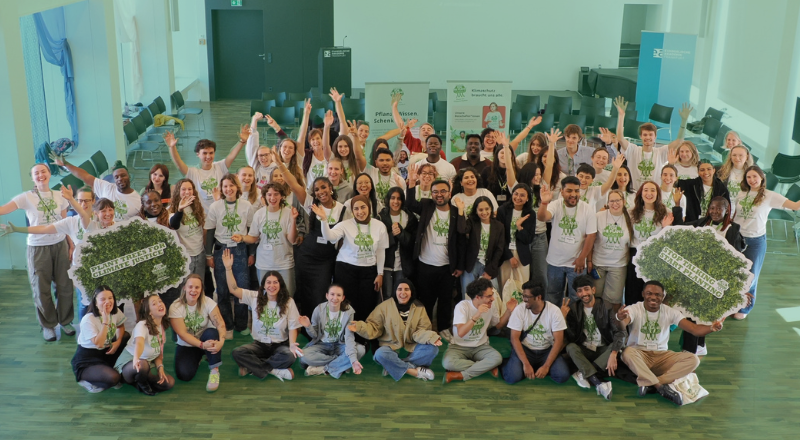 10.05.26
Youth Summit 2026: Stronger together for climate, community and democracy
Centered around the theme “Stronger together: climate, community, democracy”, around 60 participants from more than 15 countries representing 6 continents came together this year…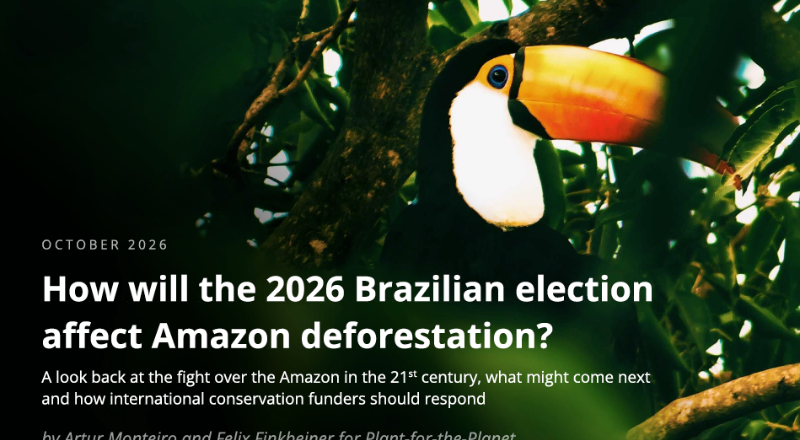 09.28.26
Brazil’s 2026 Election: What Does It Mean for the Future of the Amazon?
Brazil’s presidential election in October 2026 could have far-reaching consequences for the future of the Amazon rainforest. With almost two-thirds of the Amazon located… 09.22.26
Climate Myths from the Comment Section
As early as 1912, it was publicly reported that the increasing burning of fossil fuels could alter the concentration of greenhouse gases in the…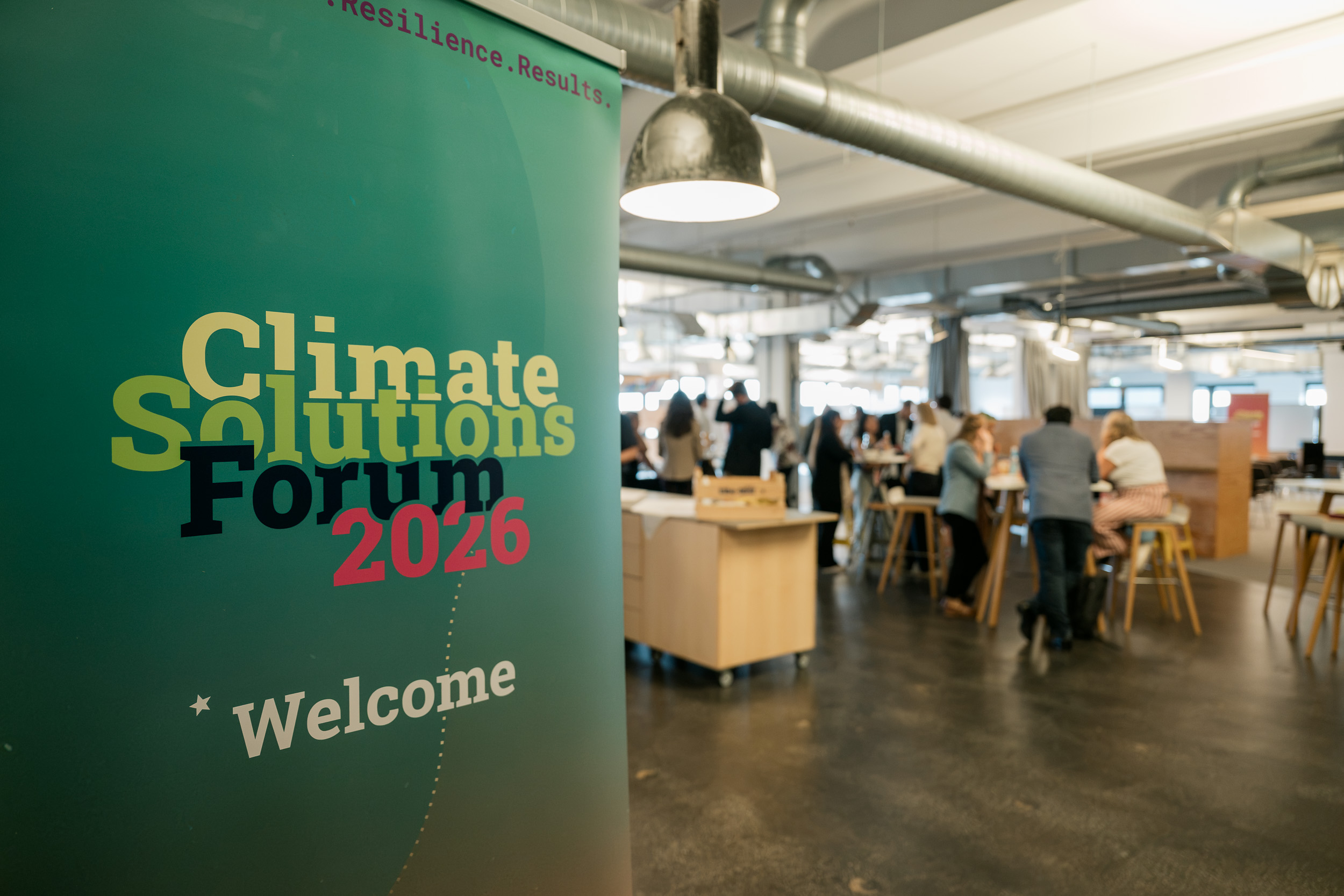 09.15.26
Together, We Can Achieve More: Key Takeaways from the F20 Climate Solutions Forum 2026
Political space for action is shrinking, international consensus on climate action is becoming increasingly fragile, and geopolitical tensions are on the rise. At the…


