

April 20, 2026

Plant-for-the-Planet
In Colombia, governments and civil society are coming together for the first global conference on transitioning away from fossil fuels. Here’s what it’s about – and how you can get involved.
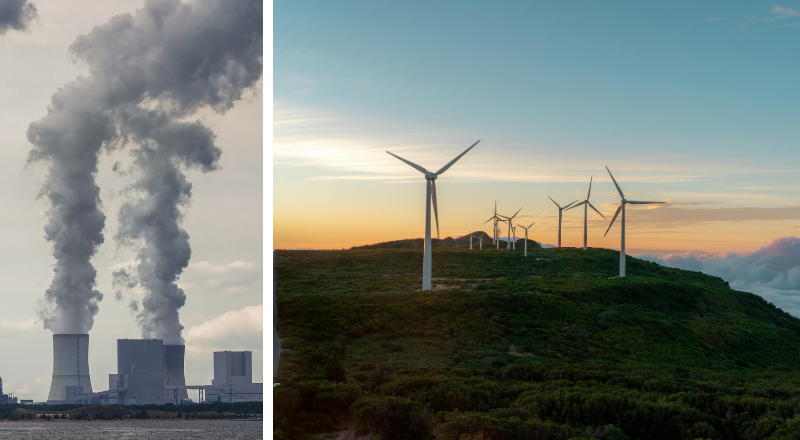
The scientific evidence has been clear for a long time: by burning oil, gas, and coal, humanity is driving the current warming of the Earth’s atmosphere – and with it, the already visible impacts of the climate crisis. To prevent the world we live in from spiraling into an uncontrollable catastrophe (in particular the crossing of climate tipping points), we must move away from the use of these fossil resources formed millions of years ago. This also means building a new economic system – one that enables us to live together as a global community in solidarity and peace and that puts an end to the exploitation of people and nature.
To address the climate crisis, the UN climate negotiations were established. Global targets and the national measures derived from them are meant to guide the reduction of greenhouse gas emissions. But how can we collectively and fairly phase out fossil fuels and advance a just transition? The Paris Agreement does not explicitly set out a clear roadmap for phasing out fossil fuels.
A global breakthrough only came at the climate conference in Dubai. After intense negotiations, countries agreed for the first time on the need to “transition away from fossil fuels in energy systems in a just, orderly, and equitable manner, accelerating action in this critical decade to achieve net zero by 2050 in keeping with the science.” However, at the 2025 climate conference in Brazil, governments failed to agree on more concrete steps – such as a clear roadmap for phasing out fossil fuels. Yet the situation is too urgent to accept political inaction. That is why a group of countries has decided to move forward and continue the process.
This led to the call for the first global Conference on Transitioning Away from Fossil Fuels and advancing a just transition, hosted by the governments of Colombia and the Netherlands and taking place from 24 to 29 April 2026.
Building Climate-Just Prosperity Globally
Phasing out fossil fuels requires action across private and public investment, national policy frameworks, and international cooperation. Ahead of the Santa Marta conference, the Climate Action Network (CAN Europe) outlined key demands, including:
- Advance a global fossil fuel phaseout roadmap: Santa Marta should strengthen and operationalize the COP30 Presidency-led process for a fossil-fuel phaseout roadmap, including commitments to end fossil fuel expansion immediately and establish science-based timelines for phasing out production and consumption.
- Shift public finance decisively away from fossil fuels:
Governments should adopt binding frameworks to phase out fossil fuel subsidies across all sectors and introduce effective taxation on excess fossil fuel profits. These resources must instead be redirected towards renewable energy systems, just transition programs, and social protections that ensure affordability and fairness. - Scale up international climate finance: Delivering the $300 billion global climate finance goal will require predictable, grant-based public finance and stronger contributions from European governments. Structural barriers must also be addressed, including unsustainable debt burdens that lock many countries into fossil fuel dependence.
- Remove legal and structural barriers that hinder progress: Investor-state dispute settlement (ISDS) mechanisms continue to pose a significant obstacle to fossil fuel phaseout by exposing governments to litigation risks. Countries should commit to excluding ISDS from future agreements, reviewing and cancelling existing treaties with ISDS, and exploring coordinated withdrawal mechanisms that also deal with sunset clauses, potentially through participation in an ‘ISDS-free alliance’.
Transitioning Away from Fossil Fuels: Be Part of the Moment
Alongside the first global conference on phasing out fossil fuels in Santa Marta, the People’s Summit for a Fossil-Free Future will take place – creating a civil society space alongside the official negotiations. From April 24 to 26, social movements, organizations, and initiatives from around the world will come together to develop shared demands and build political power from the ground up. The goal is to reach a broad global agreement for a fast, just, and socially equitable transition to renewable energy. To achieve this, three key documents will be developed: shared principles, concrete demands, and “the People’s Roadmap” — a roadmap created by the people.
These positions will be brought into the official negotiations on April 27 through the “Assembly of the People.” The summit is organized by a broad coalition of over 900 organizations and networks worldwide. Together, they create a platform for the voices of civil society organizations, Indigenous communities, people affected by racism, feminist movements, youth, workers, and many other groups.
You can browse events happening around the world on the People’s Summit website and take part locally. Click here to learn more. There are also many ideas for actions you can organize with your local climate group. Find out more here.
Don’t want to miss any updates from the conference? Then follow us on Instagram or subscribe to our newsletter.
 10.05.26
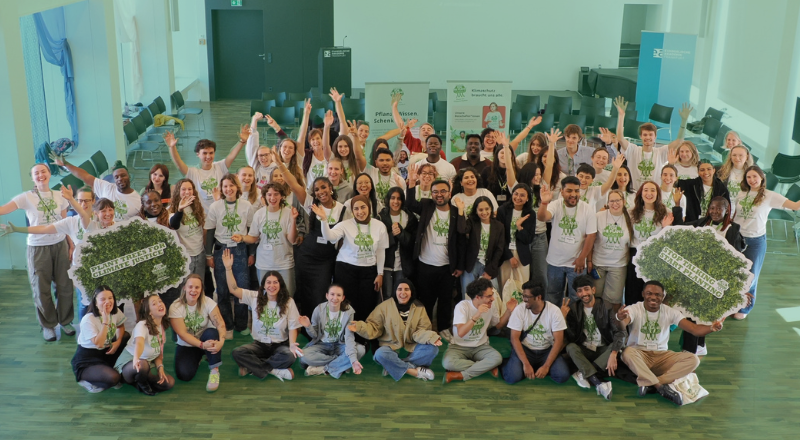
Youth Summit 2026: Stronger together for climate, community and democracy
Centered around the theme “Stronger together: climate, community, democracy”, around 60 participants from more than 15 countries representing 6 continents came together this year…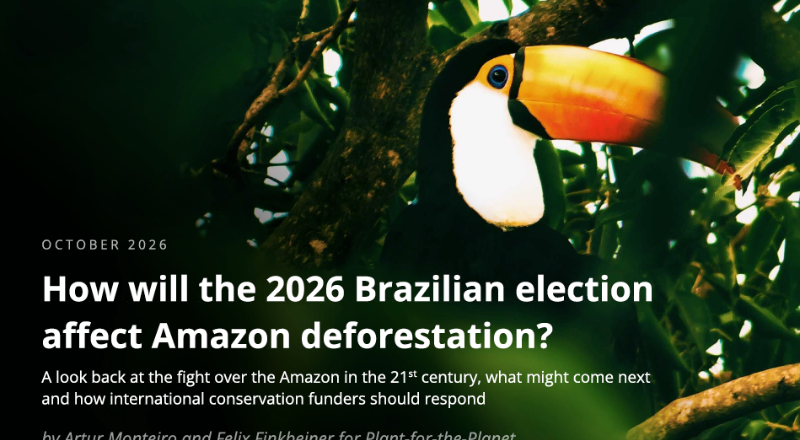 09.28.26
Brazil’s 2026 Election: What Does It Mean for the Future of the Amazon?
Brazil’s presidential election in October 2026 could have far-reaching consequences for the future of the Amazon rainforest. With almost two-thirds of the Amazon located… 09.22.26
Climate Myths from the Comment Section
As early as 1912, it was publicly reported that the increasing burning of fossil fuels could alter the concentration of greenhouse gases in the…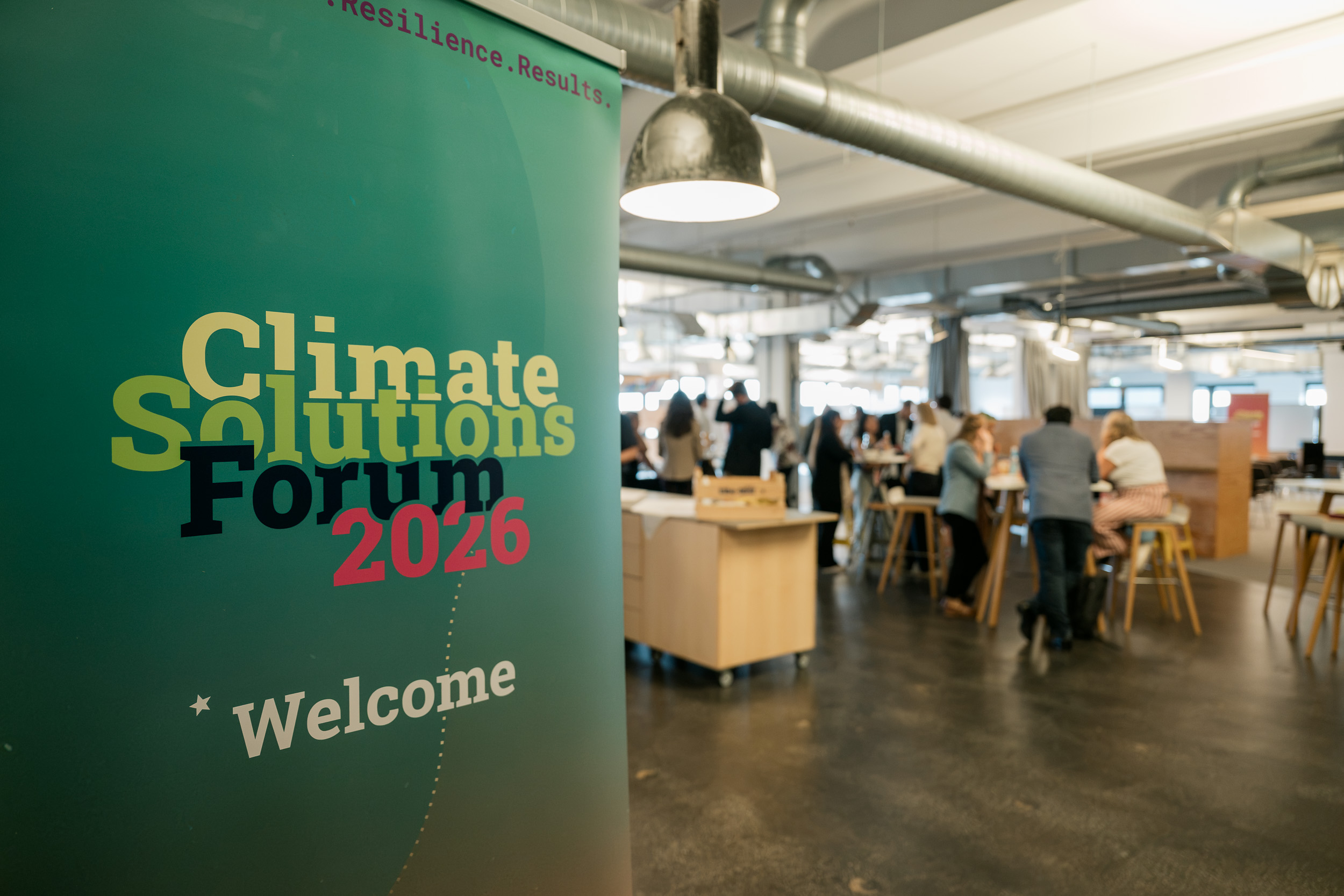 09.15.26
Together, We Can Achieve More: Key Takeaways from the F20 Climate Solutions Forum 2026
Political space for action is shrinking, international consensus on climate action is becoming increasingly fragile, and geopolitical tensions are on the rise. At the…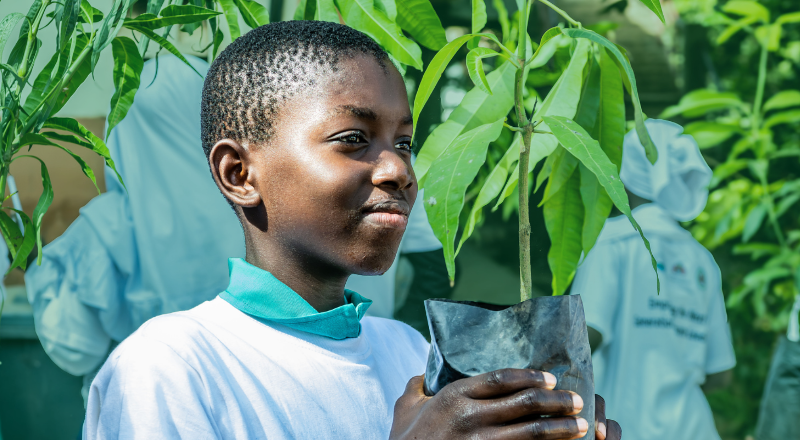 09.03.26
Why Climate Education for Children Starts with One Mentor or One Academy.
A regular, floody day in The Gambia. It is 9 am on a September Tuesday on the “Smiling Coast of Africa”. The dry season…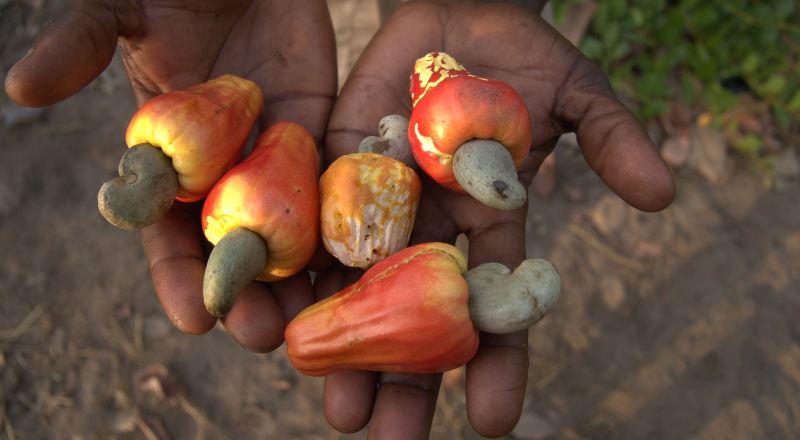 08.26.26
Restoring Landscapes: The Power of Agroforestry in Ghana
Restoration works best when it happens together with local communities. In many regions, people live in close proximity to ecosystems in need of recovery,…


