

May 26, 2026

Plant-for-the-Planet
Every day, you are confronted with news about economic crises, wars, and other catastrophes. Climate issues, however, seem to be something few people still want to think about seriously. You might therefore ask yourself: Am I the only person who still cares about saving the climate?
Only when natural disasters occur or your summer holiday turns into a “heat nightmare” people once again mention that “climate change” is to blame. But at this point, it can hardly still be called change. The term crisis is more accurate. While industrially developed countries in the Global North can still relatively well compensate for the current consequences of the climate crisis, natural disasters in the Global South often lead to devastating damage with high numbers of victims. In addition, development in southern countries is slowed down because more and more financial resources are diverted into climate adaptation, leaving fewer resources for other areas such as health, education, and infrastructure.
All of this has been known for a long time. Yet the global community still struggles to agree on sufficient measures and to implement them effectively. This may lead you to wonder: Are we the only ones who care about saving the climate?
The answer is simple: No.
89 percent of the world’s population support stronger climate action
Others, like you, also consider the climate crisis a very important issue. In fact, it is a majority: 89 percent. This comes from a global study published in 2024.¹ Nearly 130,000 people across 125 countries were surveyed. According to the results, a large majority supports stronger climate action in both social and political spheres. Key findings include:
- Around 69 percent of respondents said they would be willing to spend 1 percent of their monthly household income to combat global warming.
- 86 percent said people in their country should try to fight global warming.
- Overall, 89 percent call on their national governments to take stronger political action to stop global warming.
There are also differences between countries. Those already experiencing the effects of the climate crisis are more willing to contribute 1 percent of their income than those less affected. Nevertheless, the data shows that a broad majority of the global population takes the climate crisis seriously and sees it as a major challenge.
In Germany as well, data reflects this picture:
- A 2025 study by the Research Institute for Social Cohesion (RISC) shows that 83 percent of the population are concerned about the consequences of climate change.² A majority of 71 percent calls for more political engagement in climate protection.
- Another survey by More in Common, published in early 2026, shows that more than half of respondents (55 percent) support stronger climate action in politics.³ In addition, 72 percent acknowledge human-caused climate change.
Together for climate protection: You are not alone
Based on the finding that 89 percent of respondents support stronger climate action, the project “The 89 Percent” was launched last year, involving major media outlets such as The Guardian. Its goal is to highlight that media coverage often does not reflect this fact. As a result, many people believe they are alone in caring about the climate crisis and feel unfairly burdened with responsibility. Others wait until everyone acts – an attitude also reflected in international politics.
What these numbers clearly show, however, is that you are not alone. Quite the opposite. Just because something is not constantly in the spotlight does not mean it has been forgotten. And most importantly: you can take action. This was also the idea of then nine-year-old Felix Finkbeiner, who called on children to plant one million trees in every country. And even though this idea was not fully implemented everywhere, it marked the beginning of something much bigger.
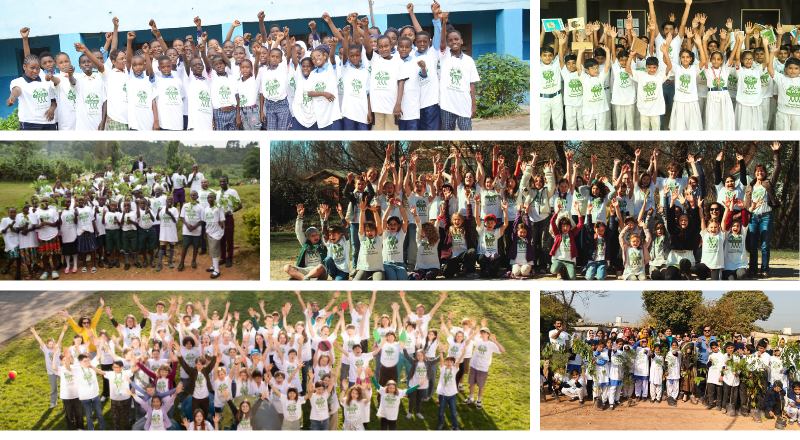
More than 110,000 children have already joined the initiative. Over 100 million trees have already been planted with the support of Plant-for-the-Planet and its supporters and donors, contributing to the restoration of forests. Our work, along with that of many other organizations, and the knowledge that we form a large majority capable of making a difference, should show you that your engagement matters.
Do you want to get involved? Learn more about our empowerment work for children and young people.
Already an adult? Find out here how you can help as well.
Resources:
¹ Andre, P., Boneva, T., Chopra, F. et al. Globally representative evidence on the actual and perceived support for climate action. Nat. Clim. Chang. 14, 253–259 (2024). https://doi.org/10.1038/s41558-024-01925-3
² Teichler, N., Groh-Samberg, O., & Gerlitz, J. Y. (2025). (Un) mögliche Transformation. Gesellschaft¬ licher Zusammenhalt und Einstellungen zum Klimawandel in Deutschland. Zweiter Zusammen¬ haltsbericht des Forschungsinstituts Gesellschaftlicher Zusammenhalt (FGZ). Leipzig: Forschungsinstitut Gesellschaftlicher Zusammenhalt. https://fgz-risc.de/fileadmin/media/publikationen/Zweiter_Zusammenhaltsbericht/Zweiter_Zusammenhaltsbericht_FGZ_web.pdf
³ Gagné J., Melches, D. Klima-Update 2026: Gesellschaftliche Perspektiven auf die Klimaschutzdebatte. More in Common. Januar 2026. https://www.moreincommon.de/publikationen/klimaschutzdebatte-in-deutschland-klima-update-2026-more-in-common/
 10.05.26
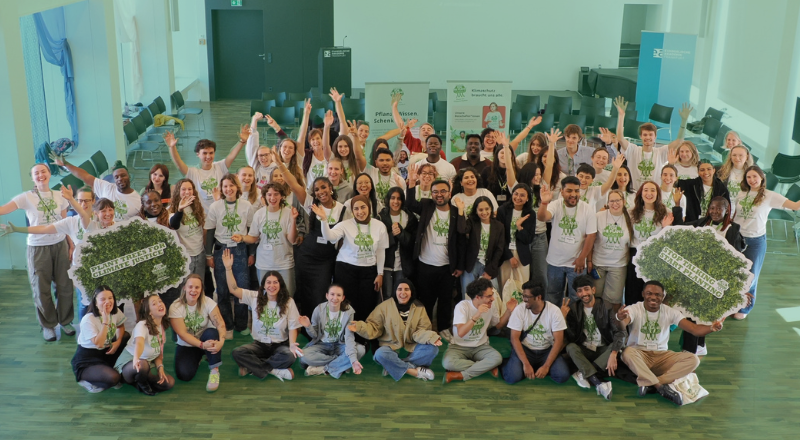
Youth Summit 2026: Stronger together for climate, community and democracy
Centered around the theme “Stronger together: climate, community, democracy”, around 60 participants from more than 15 countries representing 6 continents came together this year…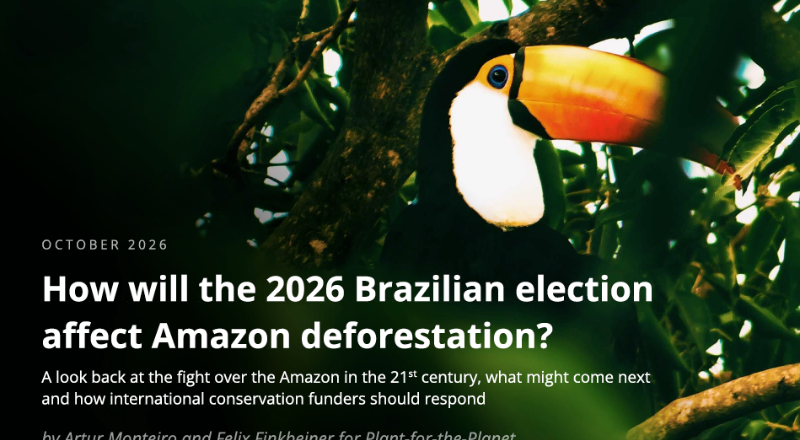 09.28.26
Brazil’s 2026 Election: What Does It Mean for the Future of the Amazon?
Brazil’s presidential election in October 2026 could have far-reaching consequences for the future of the Amazon rainforest. With almost two-thirds of the Amazon located… 09.22.26
Climate Myths from the Comment Section
As early as 1912, it was publicly reported that the increasing burning of fossil fuels could alter the concentration of greenhouse gases in the…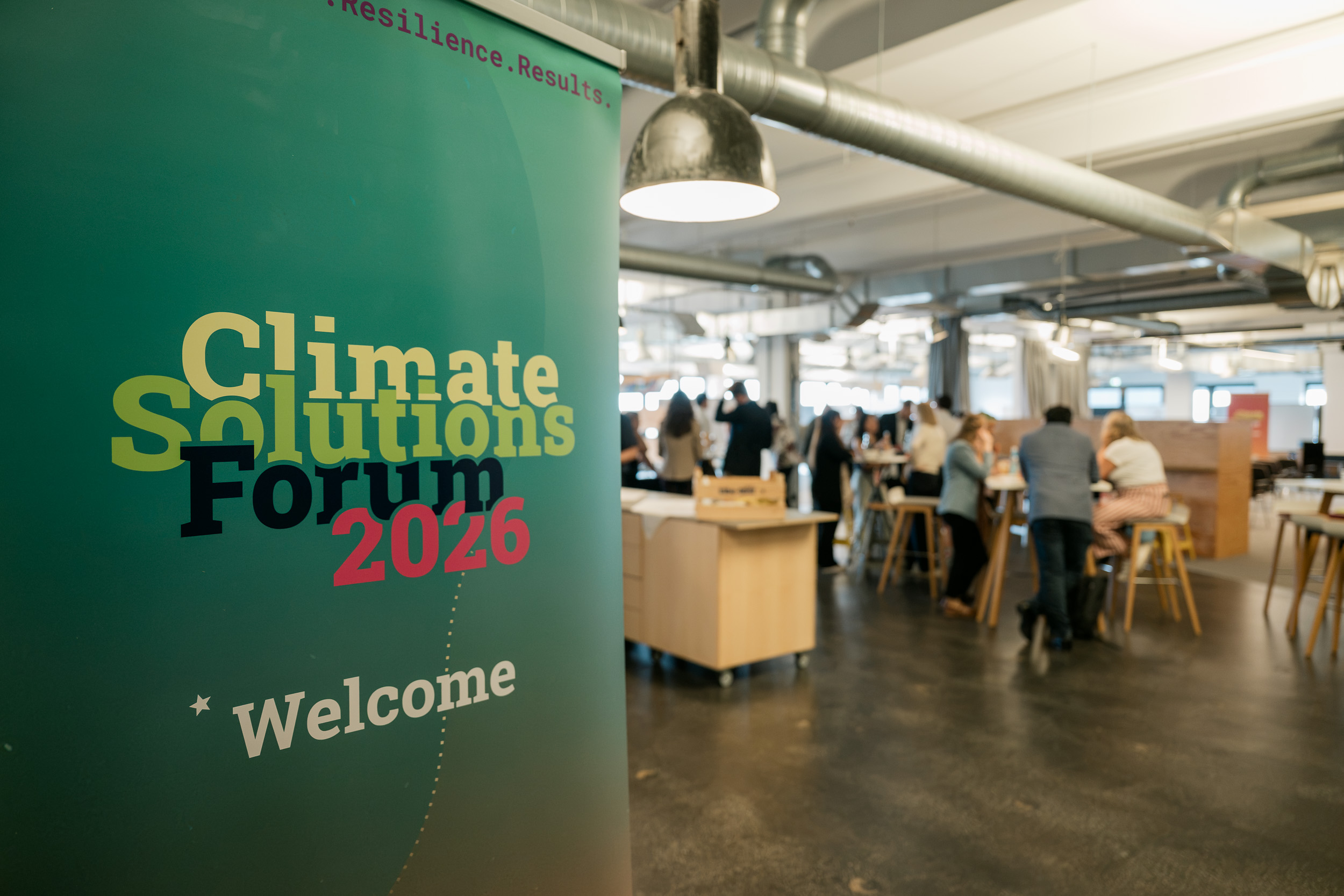 09.15.26
Together, We Can Achieve More: Key Takeaways from the F20 Climate Solutions Forum 2026
Political space for action is shrinking, international consensus on climate action is becoming increasingly fragile, and geopolitical tensions are on the rise. At the…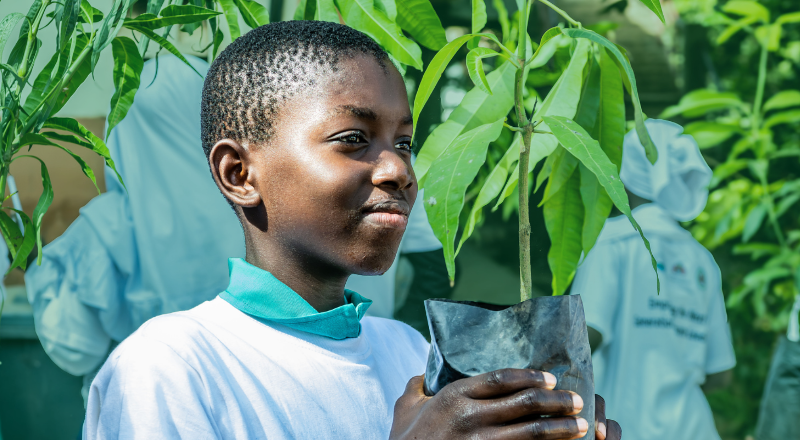 09.03.26
Why Climate Education for Children Starts with One Mentor or One Academy.
A regular, floody day in The Gambia. It is 9 am on a September Tuesday on the “Smiling Coast of Africa”. The dry season…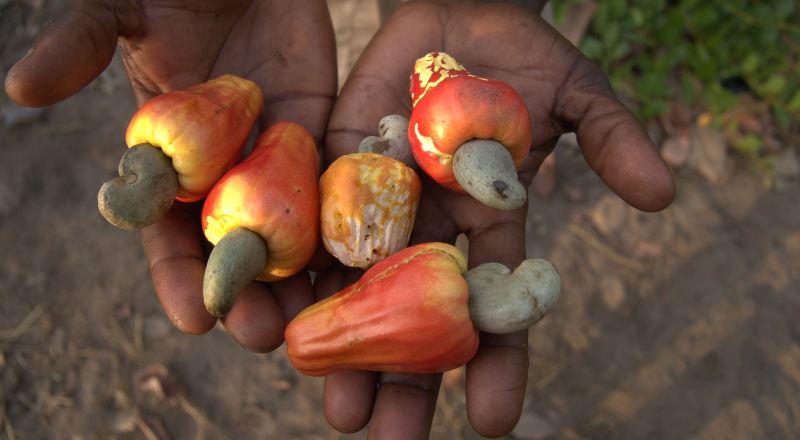 08.26.26
Restoring Landscapes: The Power of Agroforestry in Ghana
Restoration works best when it happens together with local communities. In many regions, people live in close proximity to ecosystems in need of recovery,…


