

May 4, 2026

kathrin.henneberger
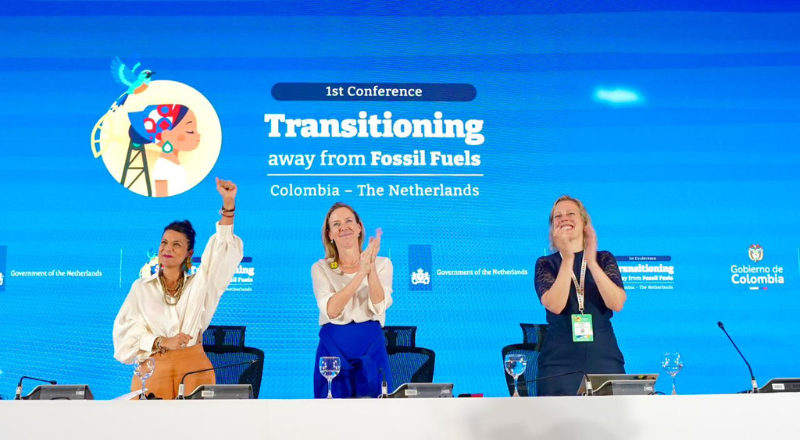
Colombia and the Netherlands co-hosted the first global conference on transitioning away from fossil fuels – and the outcomes are promising.
More than fifty countries sent their delegations to Santa Marta, Colombia, this week. There, they met with representatives from civil society, delegates from regions most affected by the climate crisis – including Indigenous communities – as well as youth representatives. The conference marks the beginning of a global process focused on the “how” of implementation: how to deliver on agreed greenhouse gas reduction targets and keep global warming within the 1.5°C limit of the Paris Agreement.
A key barrier to a just transition identified by participants is the question of financing. High levels of debt, combined with structural dependence on fossil fuel revenues, make it difficult for many countries to actively pursue a transition. Discussions therefore focused on instruments such as debt relief and so-called debt-for-climate swaps, which allow countries to reduce external debt in exchange for committing equivalent funds to climate mitigation or adaptation projects under agreed conditions. At the same time, the conference outcome document emphasizes the need to phase out fossil fuel subsidies and redirect public funds toward renewable energy expansion.
Global and National Roadmaps
Another central focus of the conference was the development and implementation of concrete transition pathways away from fossil fuels. Rather than setting new targets, the emphasis was on accelerating the implementation of existing commitments, particularly under the Paris Agreement.
It became clear that global ambitions must be translated into national action. Participants called on countries to develop their own national roadmaps to ensure a planned and socially just transition. These should be closely aligned with Nationally Determined Contributions (NDCs) and supported by scientific guidance, such as the newly established Science Panel for the Global Energy Transition.
Energy Access Remains a Global Challenge
The conference also highlighted that the energy transition is not only a climate imperative, but closely linked to energy security and the stability of countries. Continued dependence on fossil fuel imports leaves many regions vulnerable to geopolitical crises and resulting price volatility. At the same time, millions of people around the world still lack reliable access to affordable energy.
Expanding renewable energy is therefore crucial, particularly in regions with limited or no access to electricity. It is a key foundation for economic development and the strengthening of public infrastructure. Decentralized energy systems, such as mini-grids and off-grid solutions, play a particularly important role, as they can be deployed quickly and cost-effectively in rural and underserved areas.
In addition, electrification (for example through solar energy) can help reduce deforestation in regions where wood and charcoal are still widely used for energy.
A push for a just transition
The Santa Marta conference marks an important moment. After years of complex negotiations and often slow progress at UN climate conferences (COPs), countries gathered here with the aim of advancing concrete solutions for a just transition away from fossil fuels.
The outcomes of the conference are expected to feed into the UNFCCC process and, ideally, inject new political momentum into the upcoming rounds of global climate negotiations.
The second conference next year will take place in Tuvalu in the Pacific, preceded by a pre-conference meeting in Ireland. Don’t want to miss any more news? Then subscribe to our newsletter here.
 09.15.26
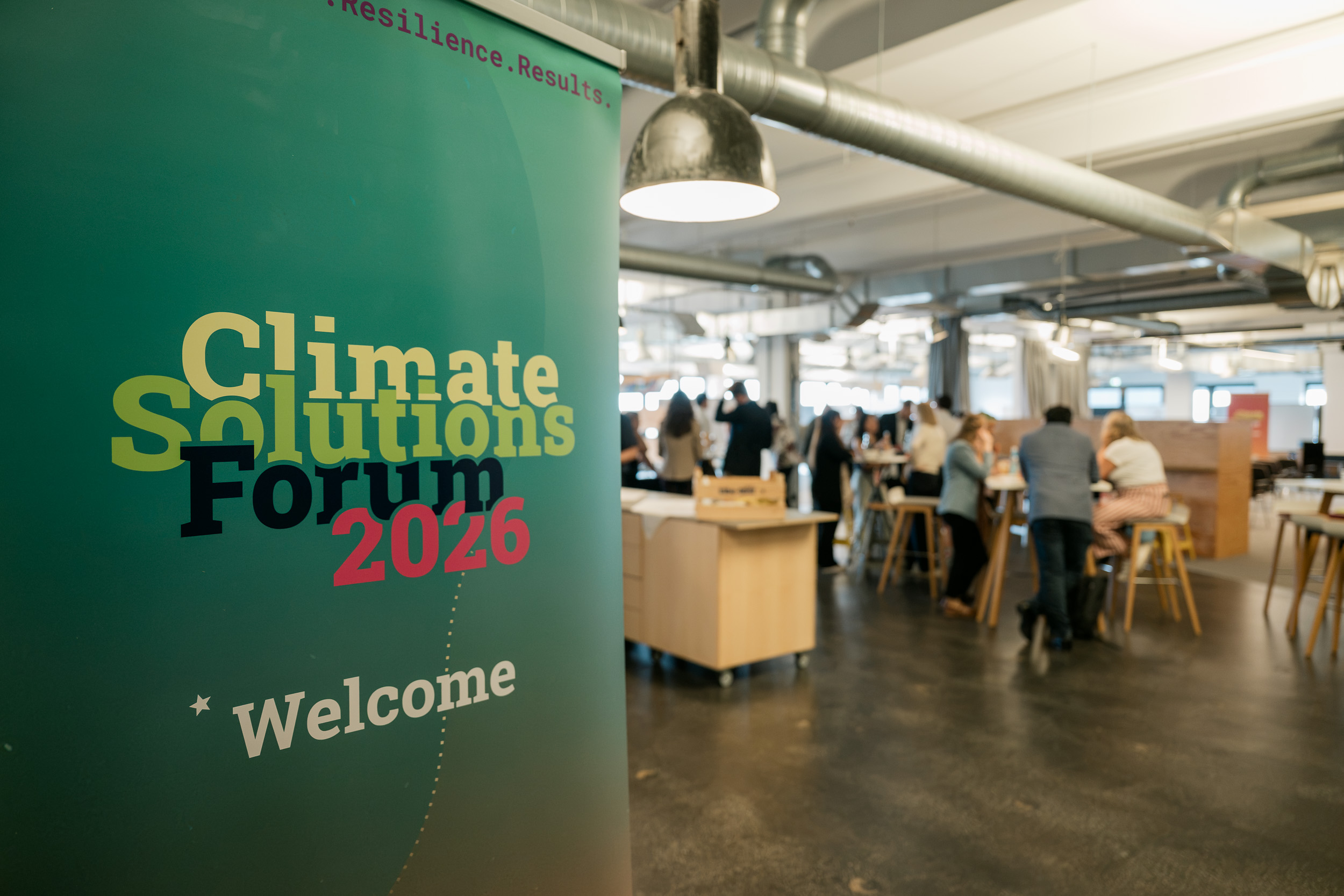
Together, We Can Achieve More: Key Takeaways from the F20 Climate Solutions Forum 2026
Political space for action is shrinking, international consensus on climate action is becoming increasingly fragile, and geopolitical tensions are on the rise. At the…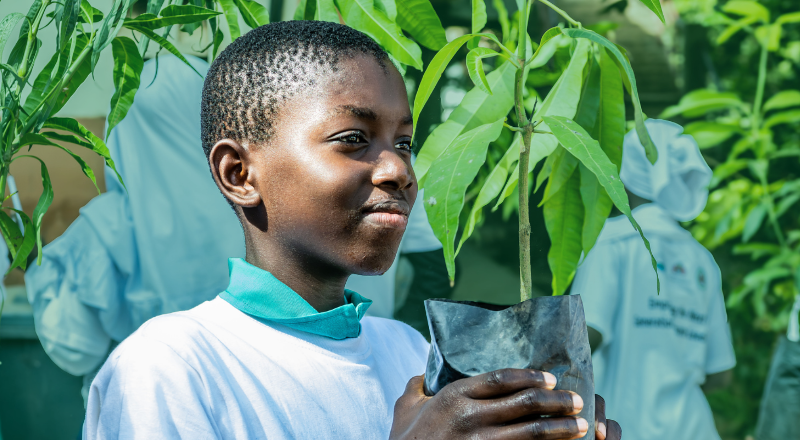 09.03.26
Why Climate Education for Children Starts with One Mentor or One Academy.
A regular, floody day in The Gambia. It is 9 am on a September Tuesday on the “Smiling Coast of Africa”. The dry season…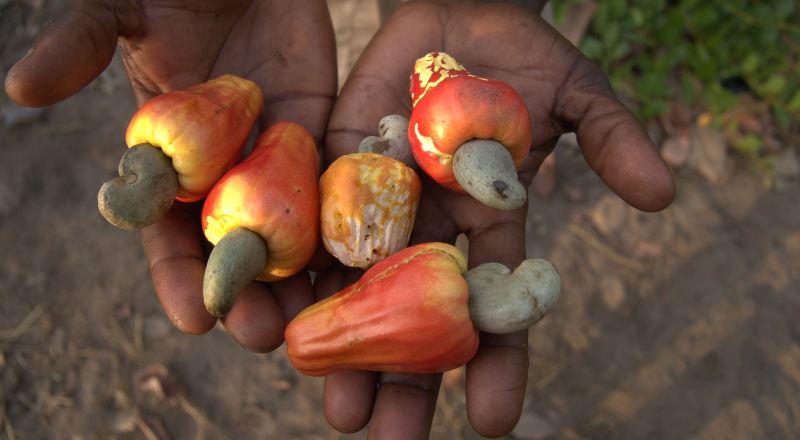 08.26.26
Restoring Landscapes: The Power of Agroforestry in Ghana
Restoration works best when it happens together with local communities. In many regions, people live in close proximity to ecosystems in need of recovery,… 08.25.26
Wildfires, Climate Crisis and Forest Restoration: What Happens After the Fire?
The impacts of the climate crisis are becoming increasingly visible in the summer of 2026. Prolonged periods of heat and drought have contributed to… 08.21.26
One Community at a Time: Growing Youth-Led Climate Action in Nepal
Children and youth are disproportionately affected by the climate crisis, facing higher risks of disease, malnutrition, and displacement. Yet, as UNICEF’s Falling Short report… 08.20.26
Restoration in Spain: Bringing Nature Back to Life
Spain is one of the European countries most vulnerable to desertification and the impacts of the climate crisis. Soil degradation, increasingly frequent wildfires, and…


