

April 27, 2026

Frieda Binnig
Silvopasture shows how cattle ranching can become more sustainable: improving soils, storing CO₂, and increasing productivity. At the same time, it is clear that real climate solutions require both better agricultural systems and more conscious consumption.
In the fight against the climate crisis, reducing meat consumption is often highlighted as one of the most effective individual actions – especially when it comes to beef and dairy12.
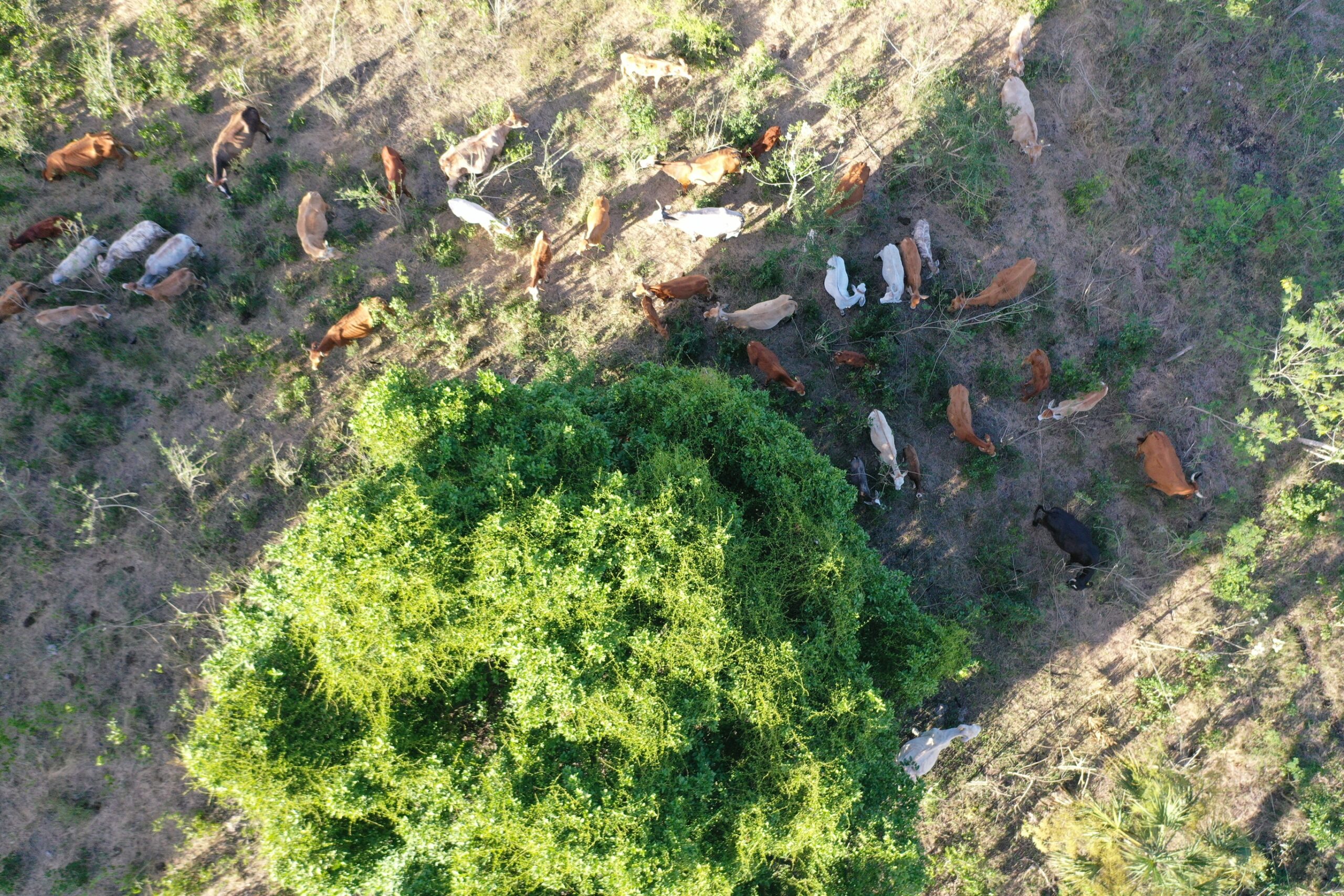
Cattle ranching is one of the major drivers of deforestation3. And it’s not only the methane emitted by cows that matters. The deeper problem starts much earlier: around 41% of tropical deforestation is driven by the expansion of pasture land for cattle. Forests are cleared, releasing vast amounts of stored CO₂ into the atmosphere.
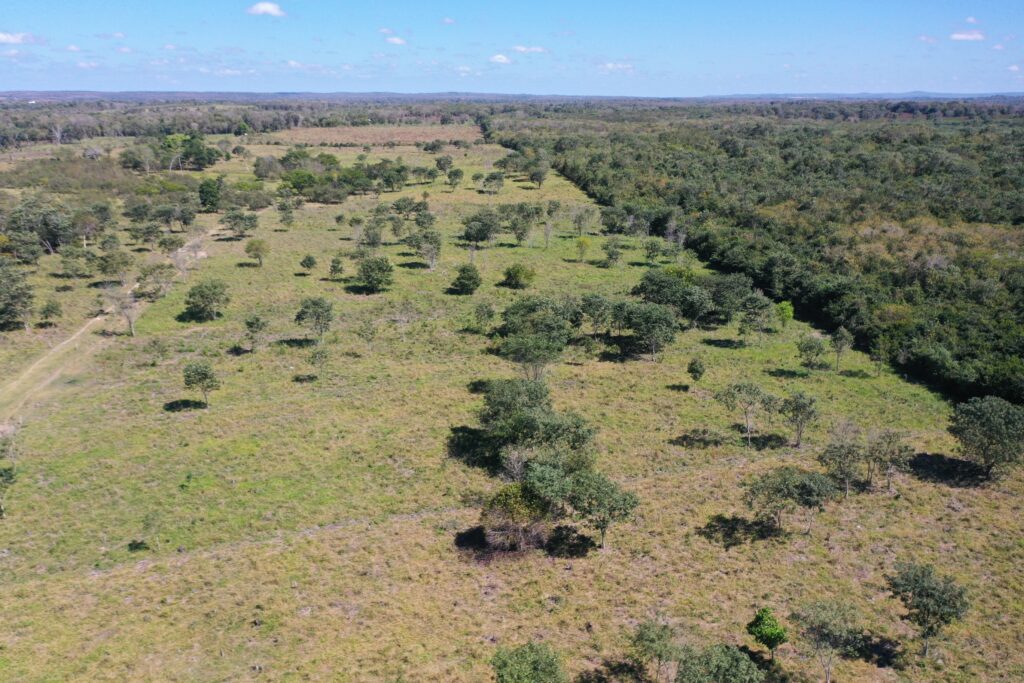
At the same time, cattle ranching is a vital livelihood for millions of people worldwide—including in Mexico. And even if plant-based diets are the best long-term solution, global consumption patterns will not change overnight.
So the question is not only if we need to change cattle farming – but how.
A solution: silvopasture
With our new snack bar, we support the Mexican organization Pronatura Península de Yucatán in two projects: silvopasture systems and the protection of the Miguel Colorado nature reserve.
Pronatura works with farmers on the Yucatán Peninsula in Mexico to make cattle ranching more sustainable. Through the transformation into so-called intensive silvopastoral systems (ISPS), conventional pastures are converted into more diverse “forest-like” grazing systems through tree planting and natural regeneration.
Silvopasture is based on a simple principle: bringing agriculture and nature back into balance.
First, protein-rich fodder shrubs are planted at high density. The pasture is then divided into many small paddocks, and cattle are rotated between them on a daily basis. Each area is grazed only briefly and then rests for several months. Plants regrow, soils regenerate, and young trees have the chance to establish.
What silvopasture looks like in practice
Together with Pronatura, we visited Ramses on his farm in Centenario, Mexico – a farmer who transitioned to silvopasture several years ago.
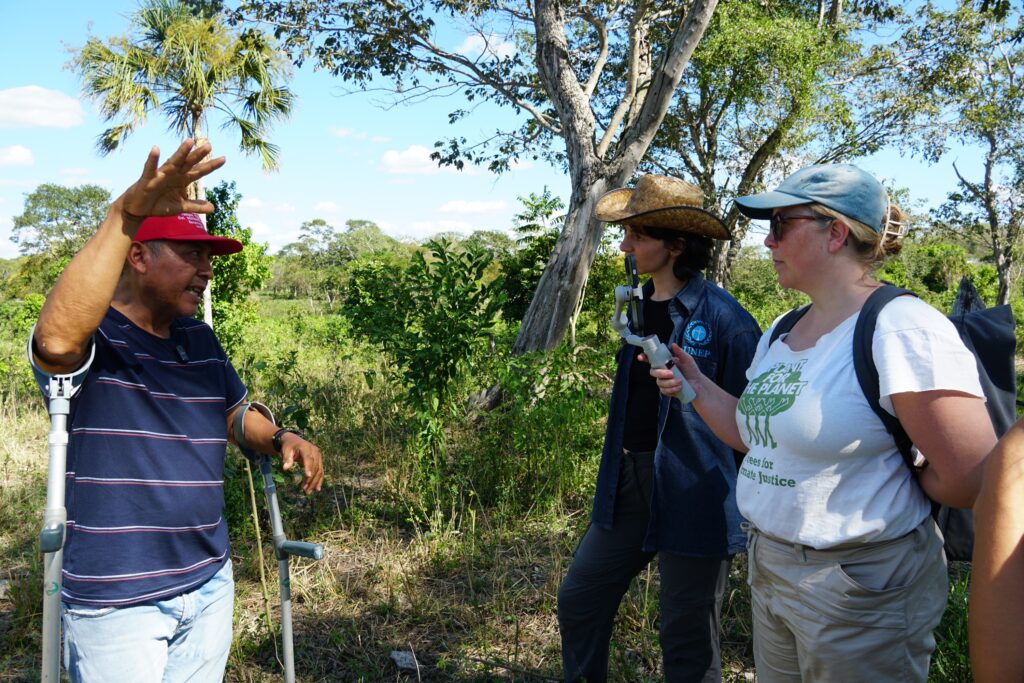
Ramses was initially skeptical about agroforestry, as he had always known a different system. Like his father and grandfather before him, cattle were raised in the traditional way: healthy forests were cleared and turned into simplified pastureland.
But through his collaboration with Pronatura, Ramses came to understand how harmful this system is for land, climate, and people. Today, he is a strong advocate for ISPS.
He told us enthusiastically that his cows are healthier and produce more milk. He no longer needs herbicides, pesticides, or extensive medications for the animals (e.g. against ticks). The soil has become more fertile and resilient during dry periods.
“My mindset has completely changed. I also consume differently now. For example, we no longer buy industrial eggs, but locally produced ones. We slaughter our own animals and share the meat. I know it is healthy—without chemicals or hormones.”
And indeed, the cows we met there were curious and almost tame.
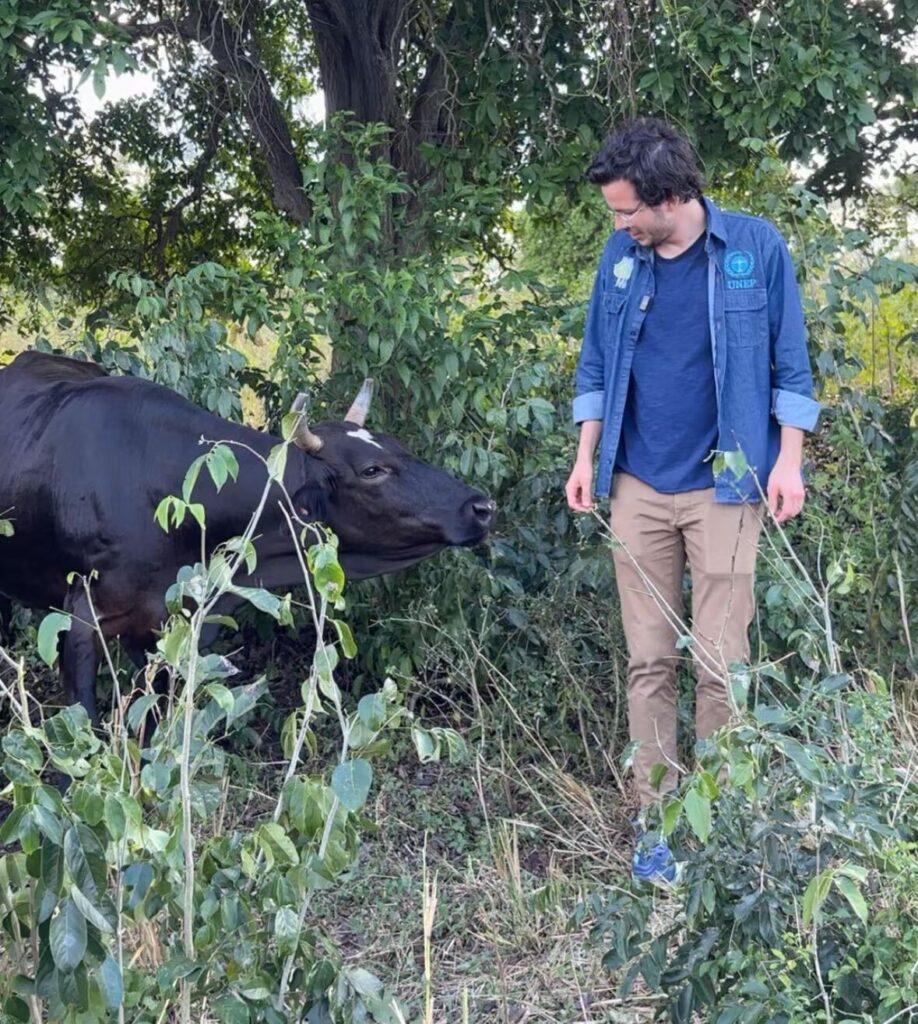
Higher productivity per hectare means less land is needed to produce the same output. Animals grow faster and convert feed more efficiently, which reduces methane emissions per kilogram of meat. With more shade and improved forage quality, animals also experience less stress and disease. In addition, new trees store CO₂ and create habitats for wildlife and plants.
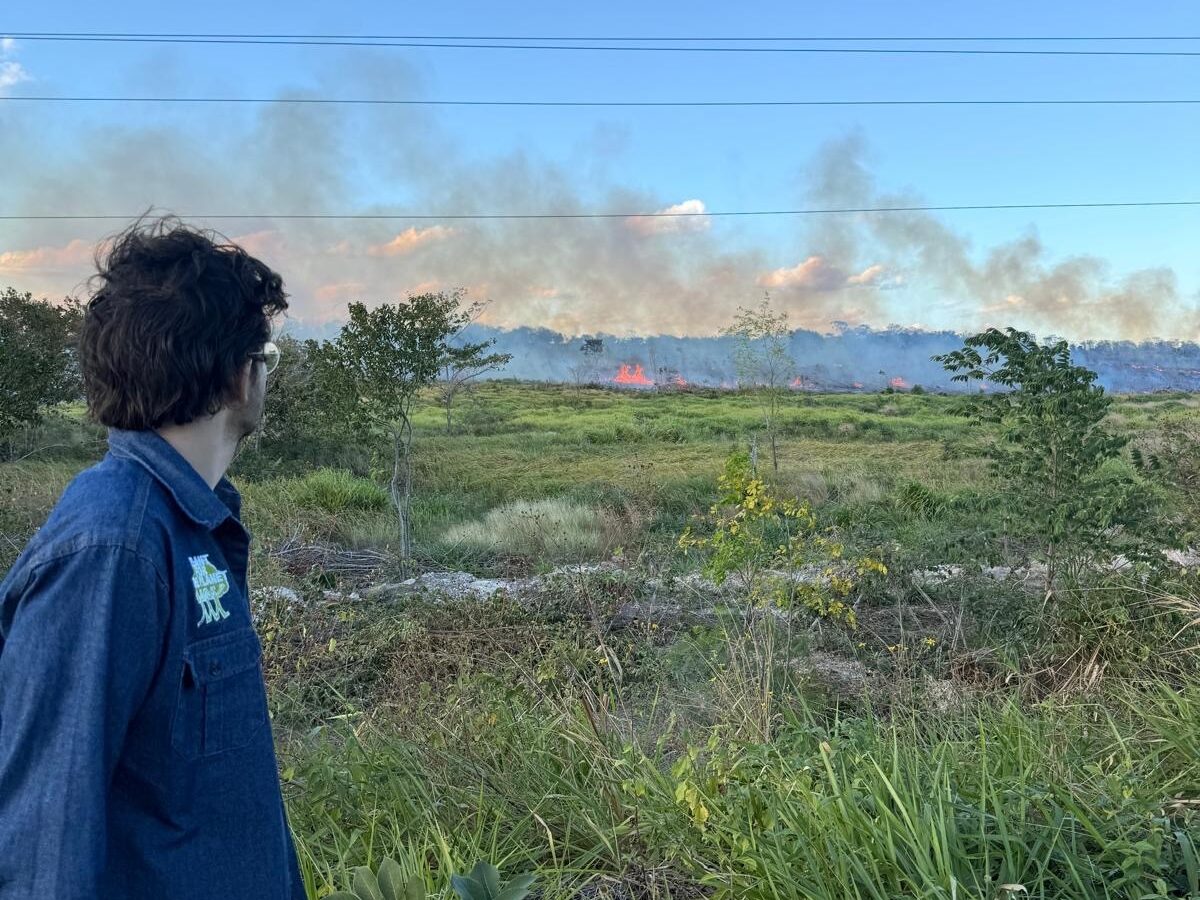
On our way back from visiting Ramses, we noticed a large fire burning next to the road. Locals told us that the land was being cleared for cattle ranching – highly dangerous during the dry season, when even a small spark can cause uncontrollable wildfires. This is exactly the kind of land-use change silvopasture aims to replace.
Not a silver bullet
As promising as silvopasture systems are, they are not a silver bullet for the climate crisis.
Cattle ranching remains a significant driver of emissions, and improving production alone is not enough if overall consumption continues to rise.
This is why both are needed: more sustainable agricultural systems and more conscious consumption choices – especially in high-income countries.
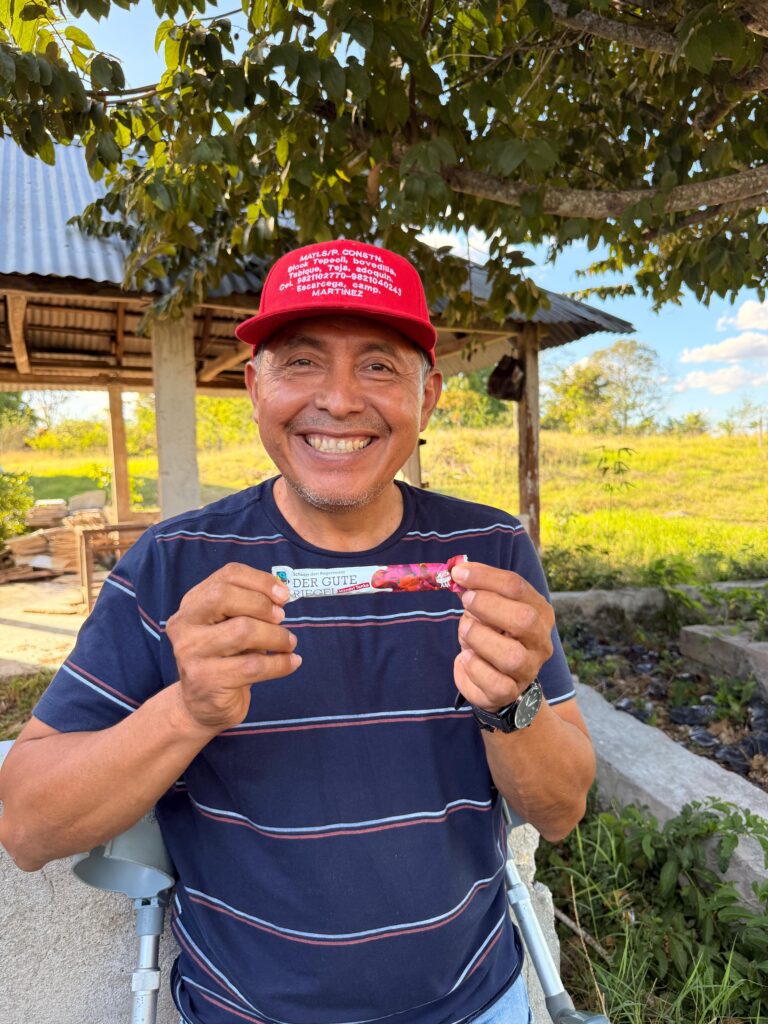
By purchasing the change snack bar – available at dm-Drogerie Markt and in our online shop – you directly support these kinds of projects. A portion of the proceeds goes to the work of Pronatura Península de Yucatán. You can read more about these projects in our blog.
 10.13.26
CBD COP 17 Explained: What the UN Biodiversity Summit Means for Nature
When most people hear the word “COP,” their minds immediately jump to the famous climate conference, the massive UN summits where world leaders, diplomats,… 10.13.26
The Cali Fund: Companies Can Help Protect Global Biodiversity
Every day, we use products that rely on nature in ways we may not even realise. Skincare and cosmetics, medicines and even the food…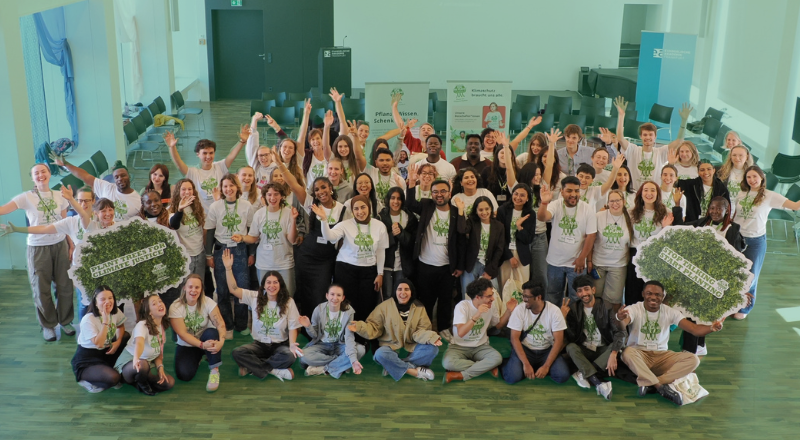 10.05.26
Youth Summit 2026: Stronger together for climate, community and democracy
Centered around the theme “Stronger together: climate, community, democracy”, around 60 participants from more than 15 countries representing 6 continents came together this year… 09.28.26
Brazil’s 2026 Election: What Does It Mean for the Future of the Amazon?
Brazil’s presidential election in October 2026 could have far-reaching consequences for the future of the Amazon rainforest. With almost two-thirds of the Amazon located… 09.22.26
Climate Myths from the Comment Section
As early as 1912, it was publicly reported that the increasing burning of fossil fuels could alter the concentration of greenhouse gases in the…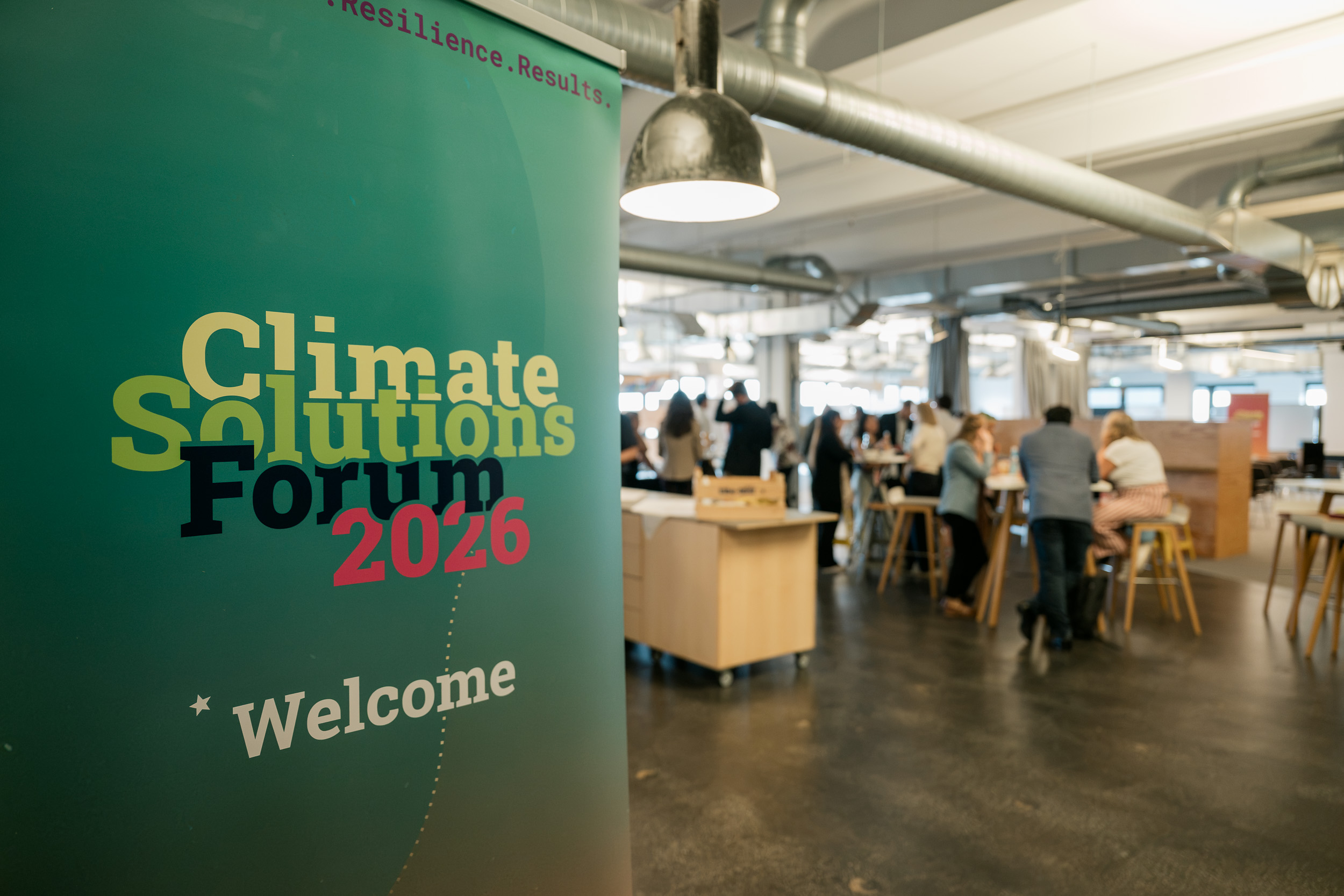 09.15.26
Together, We Can Achieve More: Key Takeaways from the F20 Climate Solutions Forum 2026
Political space for action is shrinking, international consensus on climate action is becoming increasingly fragile, and geopolitical tensions are on the rise. At the…


