

May 22, 2026

Zeinep Ibragim Kyzy
Have you ever visited your childhood home or town and realised how much it changed? The garden is smaller than you remember it to be, the colors of the house are less vibrant and there are new objects that you don’t recognise. In Mombo, Tanzania, these changes were extremely noticeable to Pauline, who left home for his studies and returned to find the colors of the forest more grey and life harder. But for Pauline, the changes signalled a bigger red flag and pushed him to investigate further.
“I used to see a lot of birds and animals,” reminisces Pauline, the leader of a restoration organization “Social Community Forum” in Tanzania, “Water sources flowing from the forest”.
But it seems that with the heightened effects of climate change changing the weather patterns and aggravating local natural landscapes, this has been changing fast in the mountainous Mombo, a transit town that attracts tourists with its vibrant wildlife and nature.
For Pauline, these changes are not just natural changes that happen with time, they also demonstrate the widespread overexploitation of the forests in the region, overgrazing and the disturbance of the natural equilibrium of the forests from global warming.
Smaller changes like a certain monkey species being less present in the forest signals a larger threat to both nature and humans. Intact forests, with biodiverse inhabitants, regulate the flow and retention of water. When biodiversity is stripped away, water patterns become irregular and unpredictable. Daily life becomes tough and the gender gap larger.
“Women suffer from the unavailability of water,” tells us Pauline.
In most households in Tanzania, women and girls are responsible for water collection. When water is scarce, women walk up to 9 km to reach a water source and spend many hours on this strenuous labour.
“My favourite memory is when I used to visit the forest with my grandfather and uncles, back in 2004, and we could feel how fresh it was,” Pauline remembers, “Water was available and there were birds everywhere, sunbirds, macho, eagle…”
Still in 2018, Pauline remembers the forest being “fresh” then as well, and water still being more available.
But now, the picture is entirely different.
Climate change, alongside widespread deforestation and overgrazing, has degraded the forest and weakened its ability to naturally retain water. Fires that begin near farms often spread into already vulnerable forest areas and destroy large sections of land. As biodiversity disappears and the forest loses its natural balance, local livelihoods become more fragile and communities become more dependent on the very forest resources contributing to its destruction.
“There have been about five to ten natural water resources flowing from the forest,” Pauline explains. “But due to destruction, there has been a minimized flow of water.”
For many families, forests are still necessary for cooking fuel, timber and daily survival. But Pauline realised that without creating alternative sources of income and food, restoration alone would not be enough.
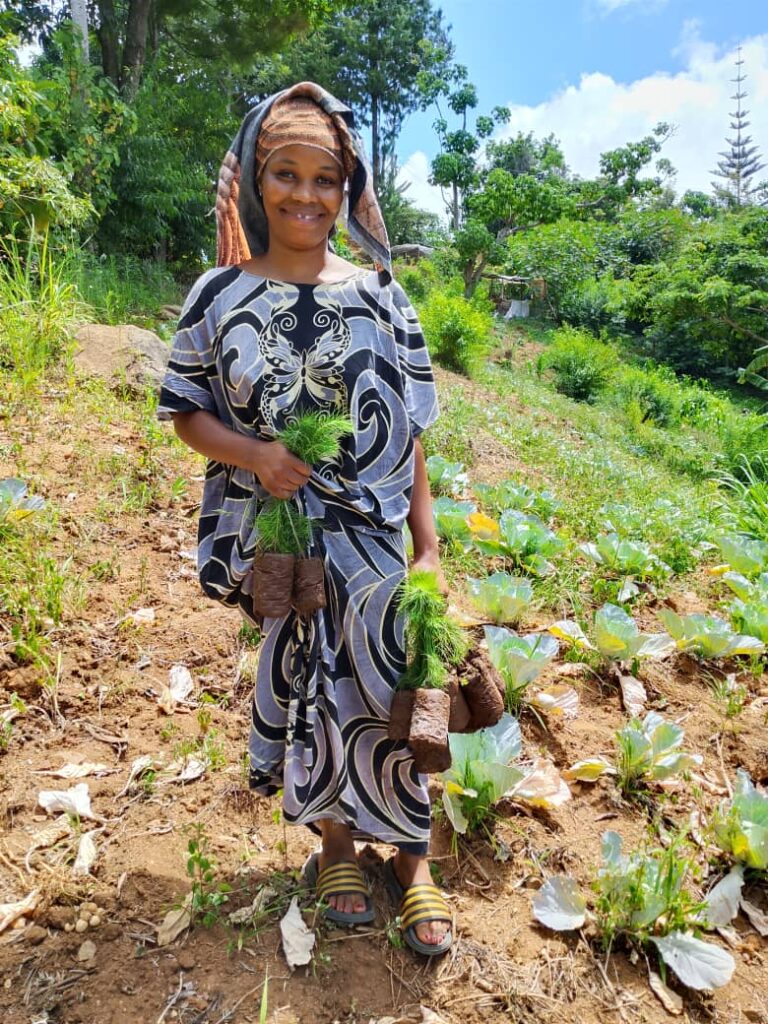
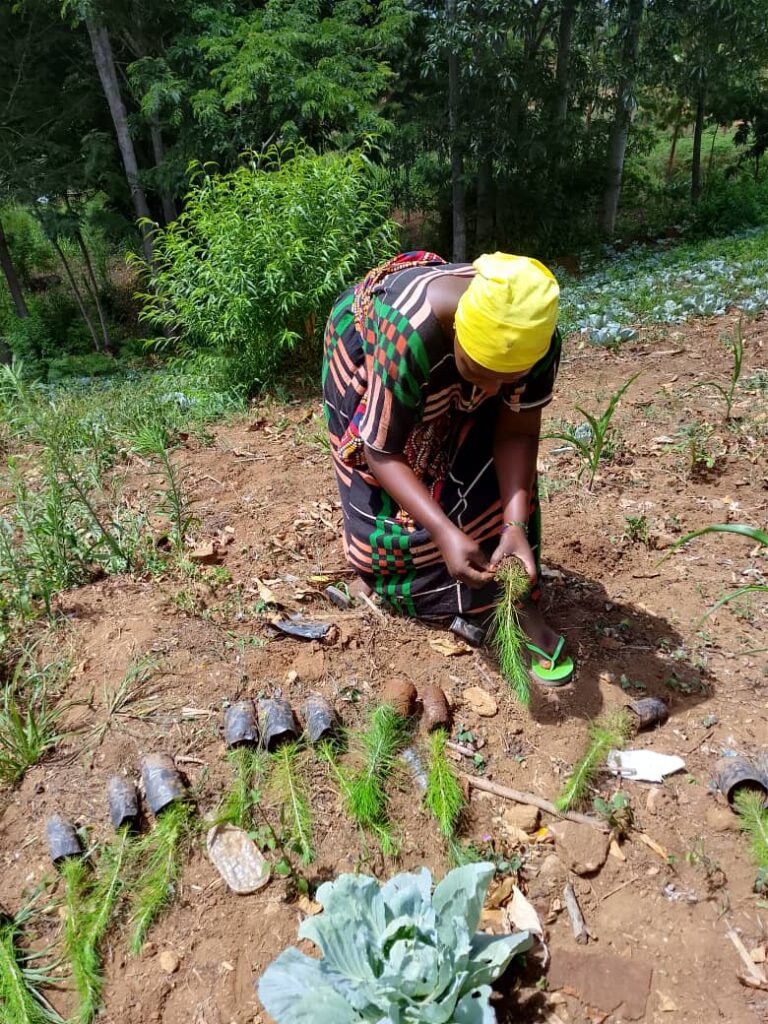
His organisation now combines reforestation with agroforestry, environmental education and community programmes. Alongside native species restoration, communities plant fruit trees such as mangoes, avocados and oranges, which provide both nutrition and household income. Vegetable gardens are also planted in schools to help improve food access.
“We have tried to boost the economy of the local community to avoid overdependence on the natural resources from the forest,” Pauline says.
The organisation prioritises planting native species such as Albizia gummifera, Albizia schimperiana and Fabris nobilis, trees that historically existed in the Mombo forest and play an important role in restoring water cycles and biodiversity.
“When planting a native species, it feels so refreshing,” Pauline explains. “I was growing in this forest. I have been here since those good days.”
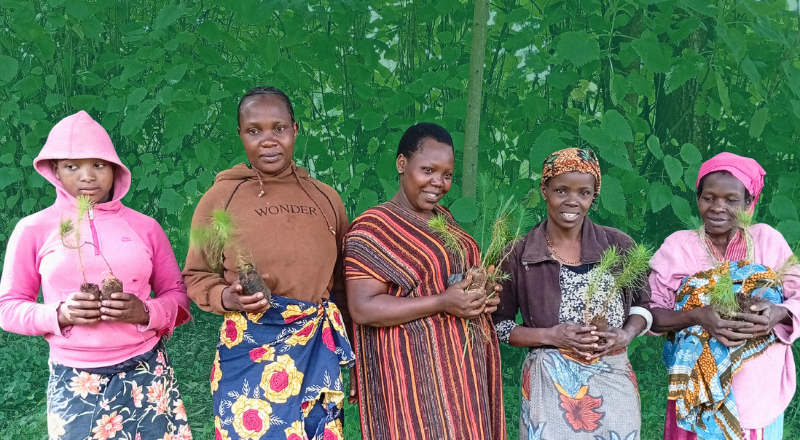
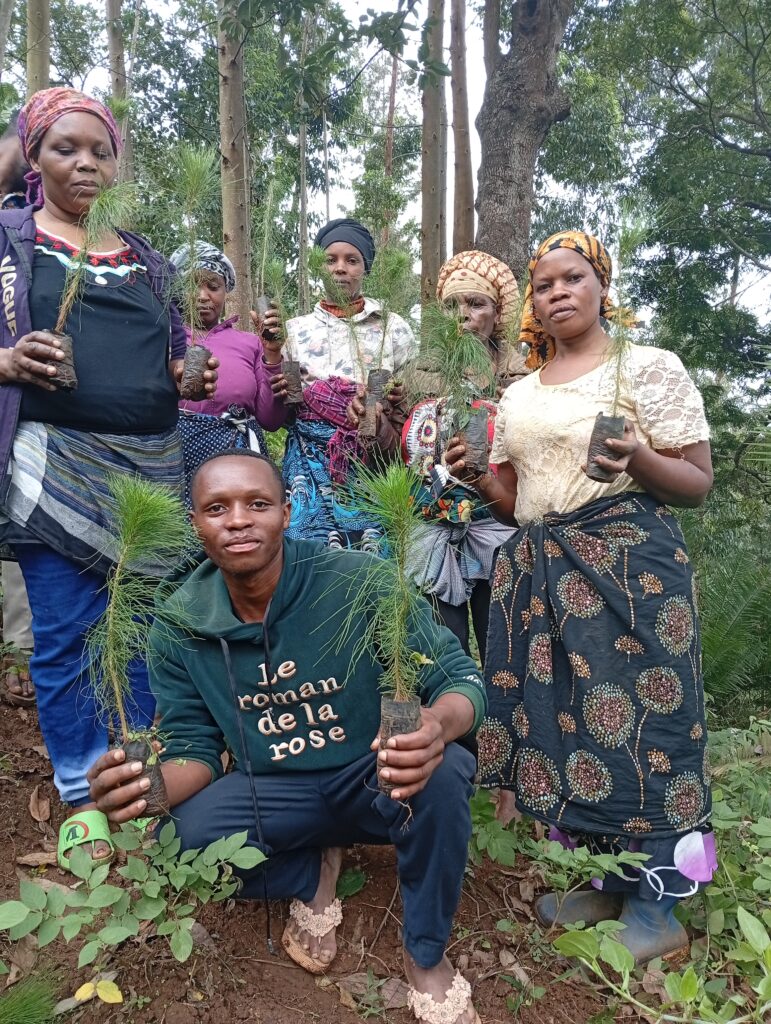
The work is highly community-based. Pauline’s organisation works closely with local schools, local authorities, youth groups and women’s groups. School children participate in tree planting and environmental education sessions, while women help manage tree nurseries and organise planting activities through a dedicated women’s group called Umoja Group.
“Women are the first educators,” Pauline says. “They pass on knowledge before kids even go to school.”
For Pauline, involving youth is equally important because they will inherit the future of the forest.
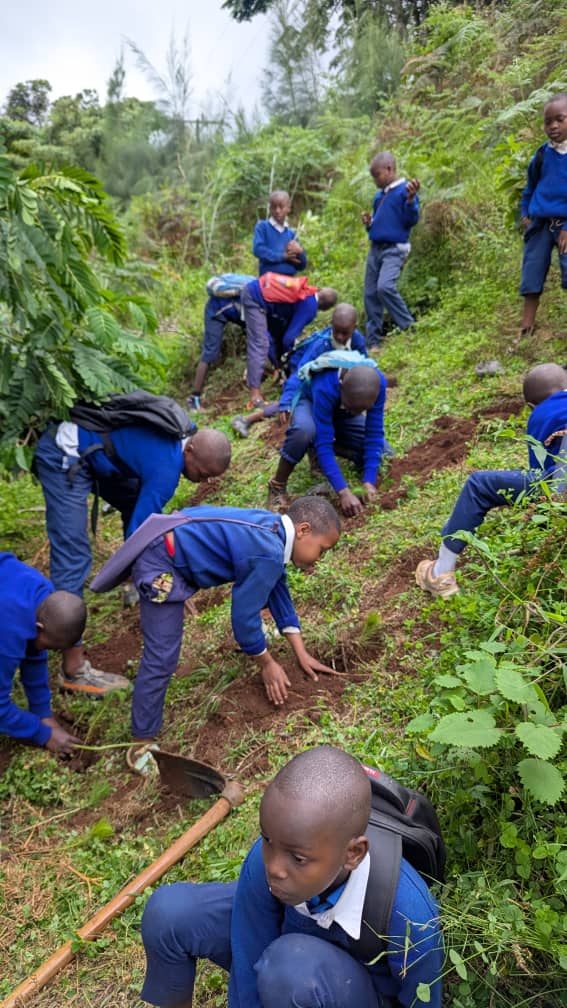
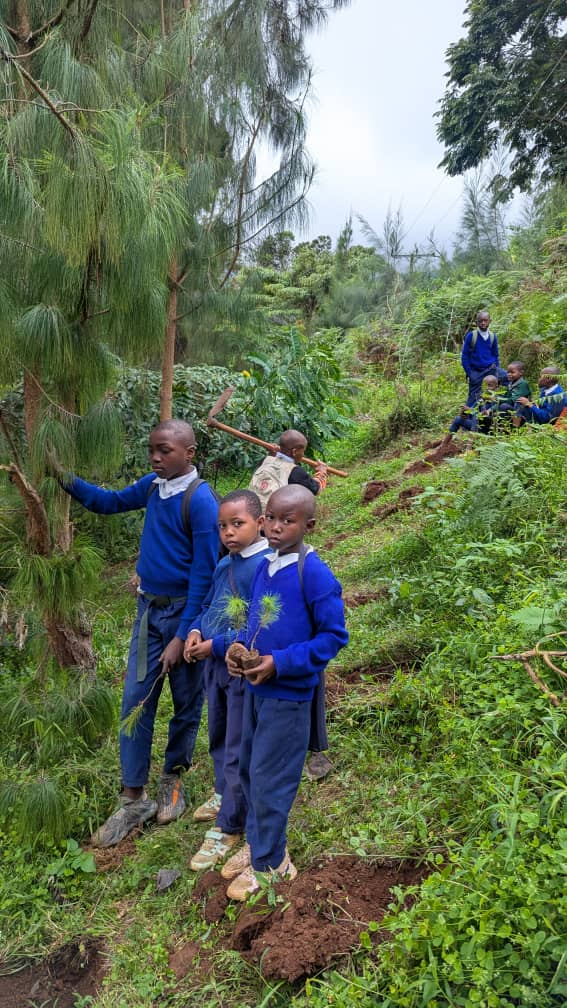
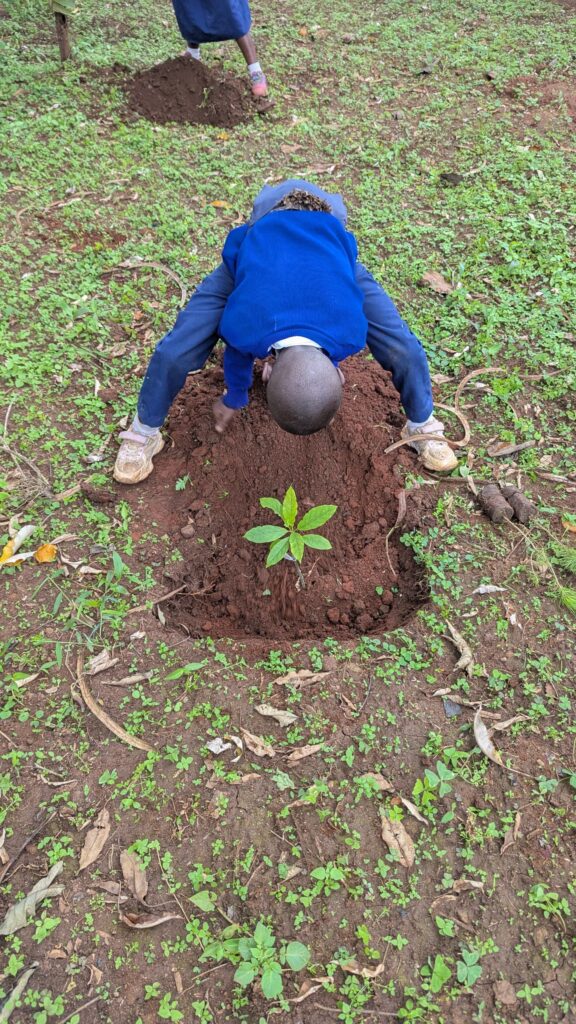
“These young boys and girls, they are the future of the Mombo forest,” he explains.
While restoration in Mombo is still ongoing, Pauline says some signs of ecological recovery are already visible. Bird species such as sunbirds and eagles that had become increasingly rare are slowly returning to areas where native species have been replanted.
“Back then, there were a lot of birds,” Pauline says. “But over time, there has been a decrease due to deforestation.”
Now, he says, some of those species are beginning to return because parts of the forest are becoming habitable again.
“When I see the seedlings growing, I see life,” Pauline says. “I see the life of the local community. I see the life of the kids in schools who are suffering from water unavailability.”
For Pauline, restoration is an attempt at preserving memories, rebuilding the relationship between people and nature and ensuring that future generations in Mombo inherit a forest that still feels alive.
“If the forest could speak,” Pauline says, “it would only speak about life.”
Did you know we have more than 250 restoration organisations on our platform? Your donations go straight to community leaders like Pauline and we take 0 in commission.
Donate to Pauline’s initiative now!
Special thanks to Pauline for the wonderful insights and the beautiful interview!
Source: Foulquier, A., Datry, T., Corti, R. et al. Unravelling large-scale patterns and drivers of biodiversity in dry rivers. Nat Commun 15, 7233 (2024). https://doi.org/10.1038/s41467-024-50873-1
 09.28.26
Brazil’s 2026 Election: What Does It Mean for the Future of the Amazon?
Brazil’s presidential election in October 2026 could have far-reaching consequences for the future of the Amazon rainforest. With almost two-thirds of the Amazon located…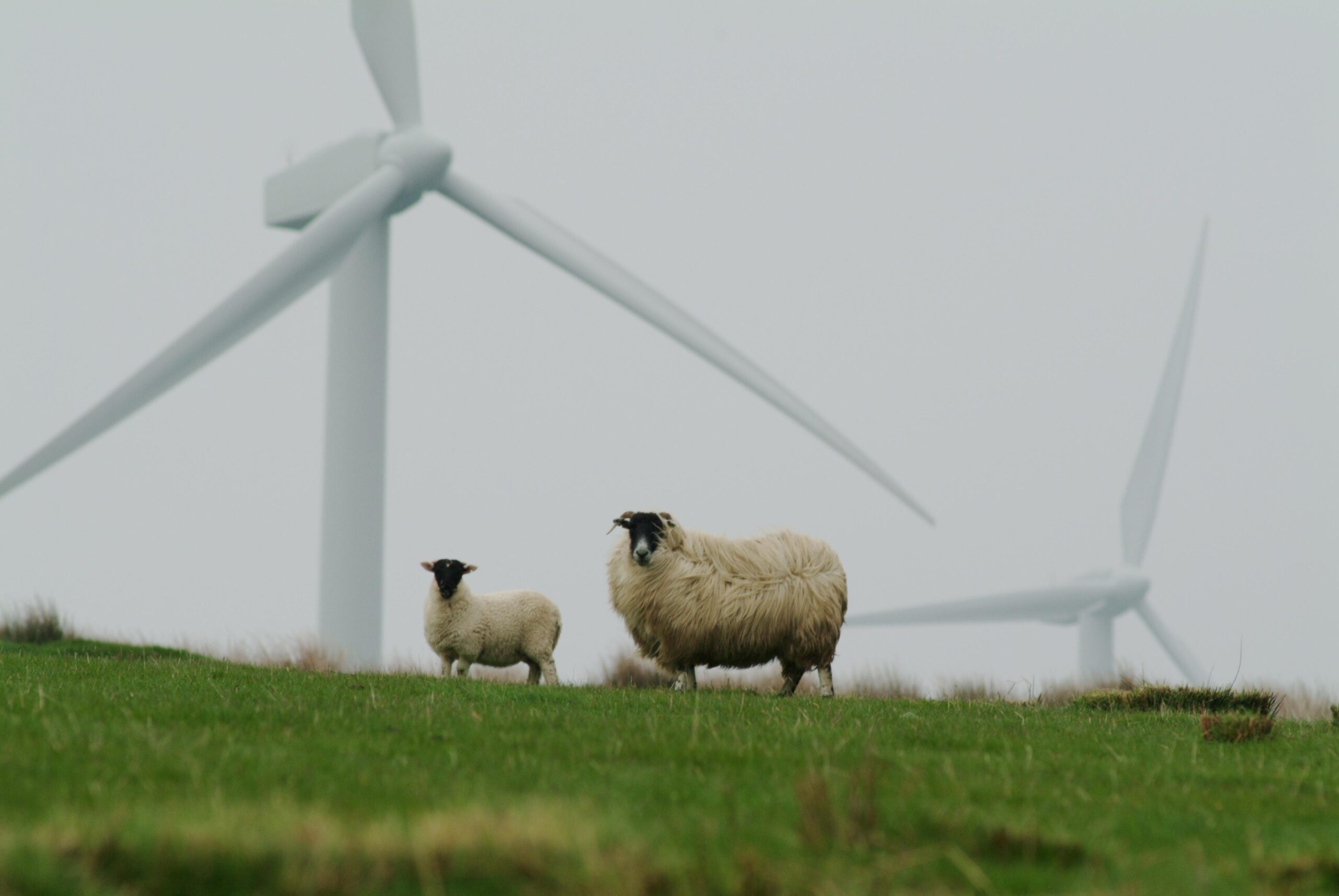 09.22.26
Climate Myths from the Comment Section
As early as 1912, it was publicly reported that the increasing burning of fossil fuels could alter the concentration of greenhouse gases in the… 09.15.26
Together, We Can Achieve More: Key Takeaways from the F20 Climate Solutions Forum 2026
Political space for action is shrinking, international consensus on climate action is becoming increasingly fragile, and geopolitical tensions are on the rise. At the…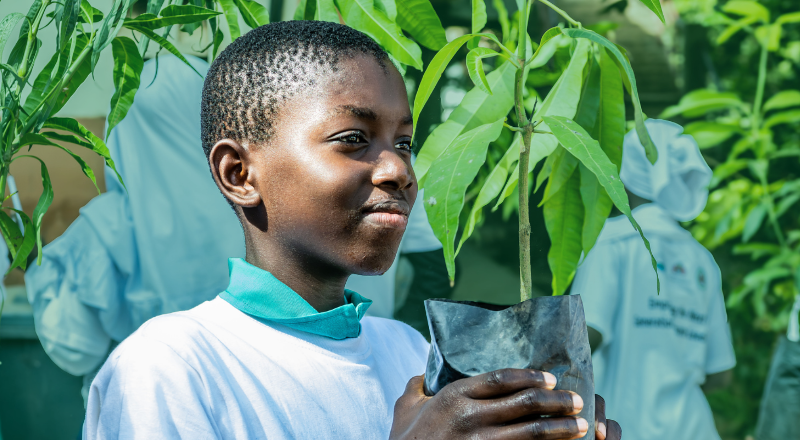 09.03.26
Why Climate Education for Children Starts with One Mentor or One Academy.
A regular, floody day in The Gambia. It is 9 am on a September Tuesday on the “Smiling Coast of Africa”. The dry season…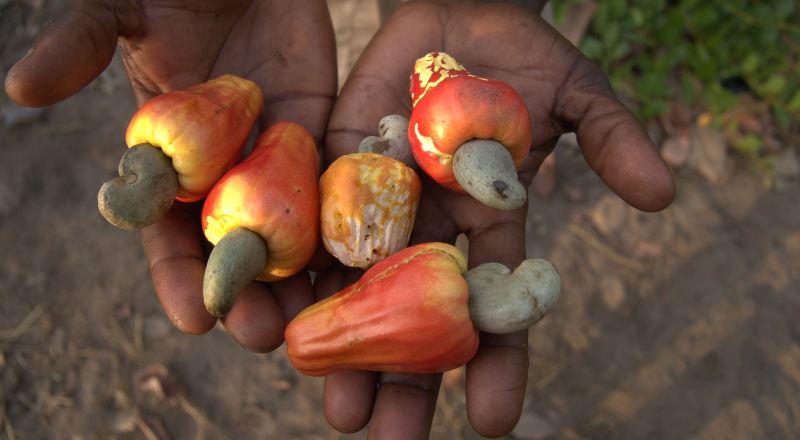 08.26.26
Restoring Landscapes: The Power of Agroforestry in Ghana
Restoration works best when it happens together with local communities. In many regions, people live in close proximity to ecosystems in need of recovery,…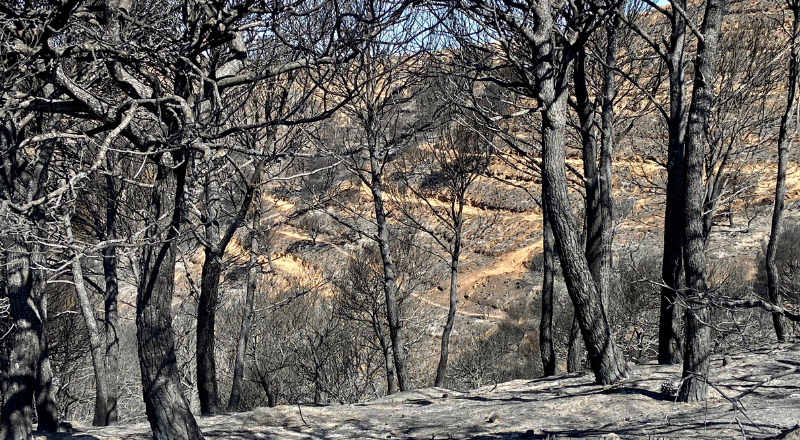 08.25.26
Wildfires, Climate Crisis and Forest Restoration: What Happens After the Fire?
The impacts of the climate crisis are becoming increasingly visible in the summer of 2026. Prolonged periods of heat and drought have contributed to…


