

May 14, 2026

Zeinep Ibragim Kyzy
- Funding is moving toward scouting proven projects rather than open competitions.
- Local involvement and long-term land ownership are now primary requirements.
- Donors prioritise established work over projects built on future promises.
- Success depends on supporting local livelihoods like agroforestry.
- Women’s leadership is treated as a core pillar of project resilience.
- Healthy ecosystems and native species are valued over high planting numbers.
For a long time, global forest restoration funding followed a relatively predictable logic. Organisations would publish open calls, projects would compete for limited grants and proposals were often evaluated through measurable environmental indicators such as hectares restored or trees planted. These indicators still matter, but the restoration sector has gradually started paying closer attention to the social structures behind projects as well.
Today, many international organisations are increasingly interested in restoration initiatives that already have strong relationships with local communities, long-term ecological planning, and clear local involvement. There is a growing understanding that restoration cannot succeed through short-term interventions alone. Forests develop over decades, and restoration projects need social structures that can last just as long.
We recently reflected on this shift after our forest restoration project in Ghana was approached directly by the World Resources Institute (WRI) and offered grant support. What stood out to us was that rather than us responding to a broad public call for proposals, our project had already been observed as an existing initiative with established restoration work and community engagement. That experience made us think more deeply about what kinds of forest restoration projects attract support today and how restoration itself is changing globally.
Of course, there is no exact formula behind successful grant applications. Different organisations have different priorities and funding structures. Still, while working on Plant-for-Ghana and observing broader developments in the restoration sector, we noticed several characteristics that appear repeatedly in projects that receive long-term support.
1. Community involvement has become central to restoration
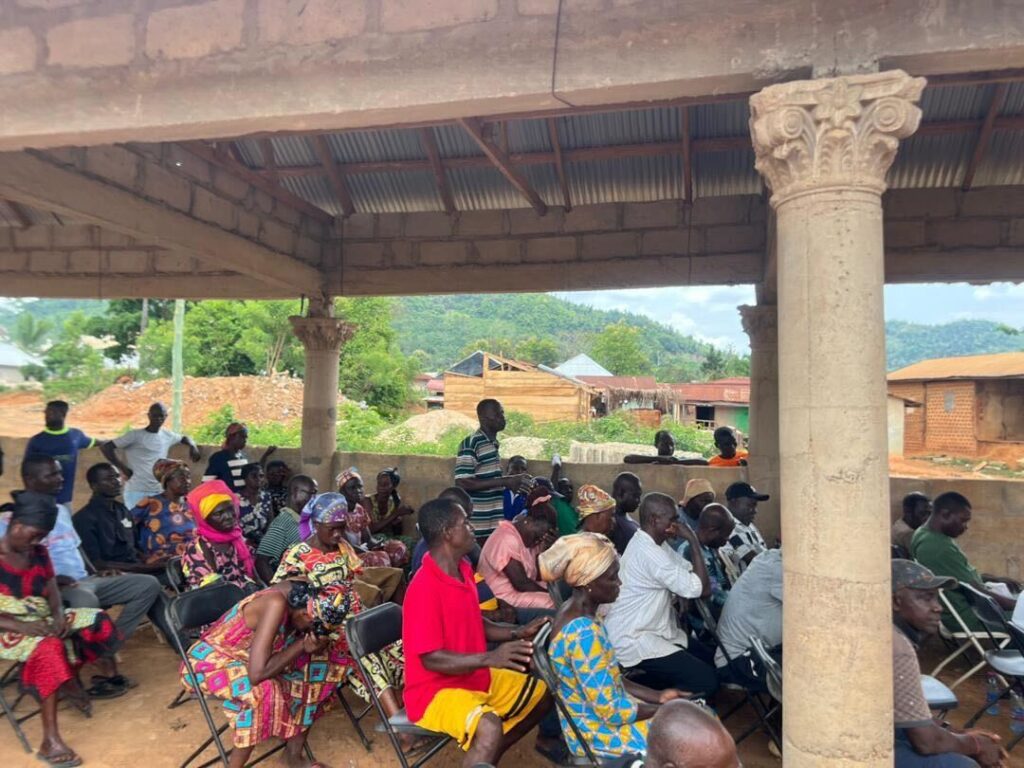
One of the clearest changes in global restoration work is the growing importance of community-based approaches. In the past, conservation projects often focused mainly on protecting land itself, while local communities were treated as separate from environmental decision-making. Over time, many organisations realized that restoration projects struggle to survive when local people are excluded from them.
Forests are deeply connected to livelihoods, agriculture, grazing systems, water access and cultural practices. Because of this, restoration has increasingly become tied to long-term relationships with communities themselves.
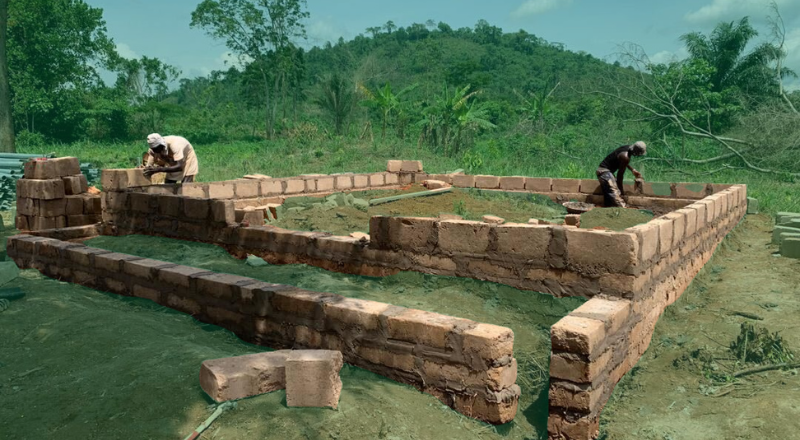
At Plant-for-Ghana, community involvement shapes the project from the ground up. Community members participate in nursery work, planting, maintenance, monitoring and many other activities. Meetings are held regularly to discuss project decisions and priorities and community representatives are involved in shaping the direction of the restoration work itself.
The long-term land agreement also reflects this philosophy. The restored land will eventually return fully to community ownership after decades of restoration and stewardship, meaning the project is designed around future local responsibility rather than permanent outside control.
2. Organisations increasingly support projects that already demonstrate continuity
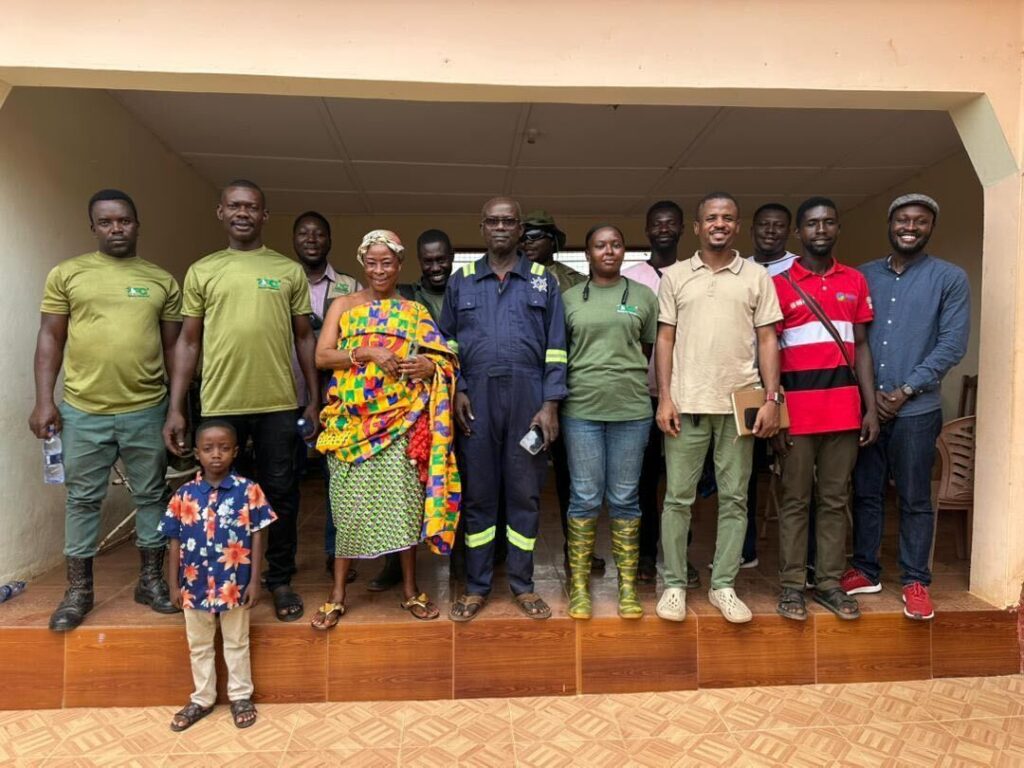
Another noticeable shift is that many global organisations now look closely at whether restoration work is already functioning before major support is provided. There is growing caution around projects built primarily around ambitious promises without visible implementation structures. Restoration has become a field where trust and long-term presence matter significantly.
Plant-for-Ghana developed gradually over many years. Before large-scale restoration began, there were already years of climate education work, youth engagement, and local organizing efforts connected to Plant-for-the-Planet Ghana. The restoration project itself has continued expanding steadily through nursery development, partnerships with ecological experts, and continuous monitoring work.
This kind of continuity matters because restoration itself is very slow! Ecosystems cannot be rebuilt within a single funding cycle, and many organisations increasingly understand that successful restoration depends on long-term adaptation and persistence.
3. Restoration projects are increasingly expected to address local livelihoods
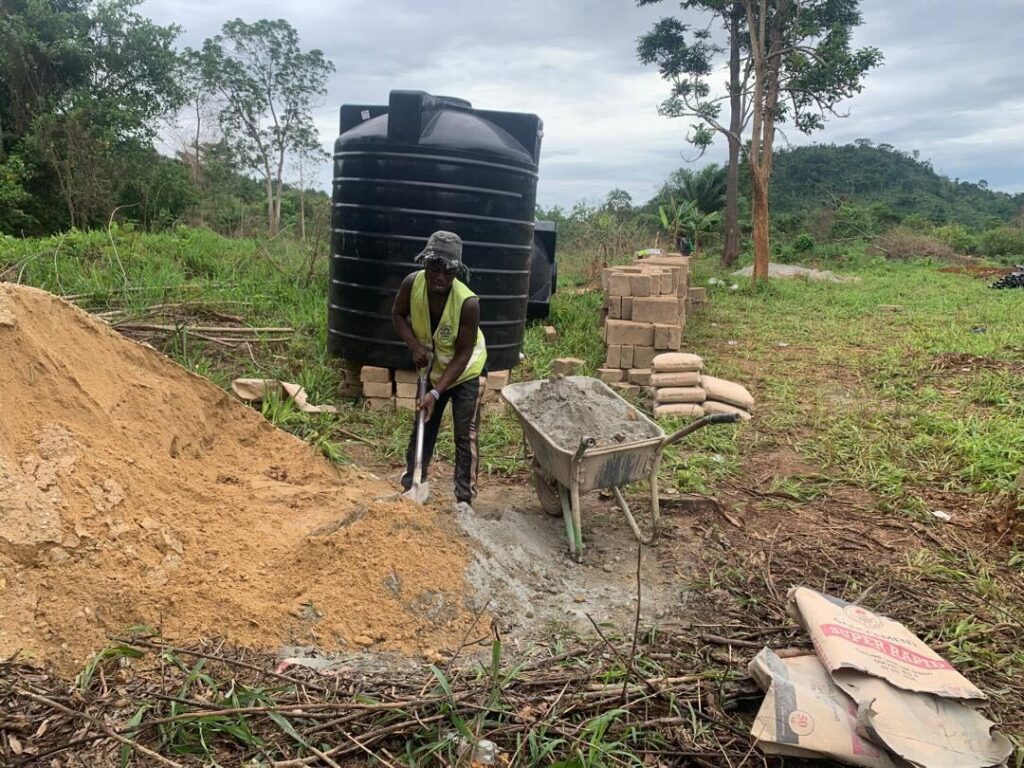
Another important change is the recognition that environmental degradation is often tied directly to economic pressures. In many regions, activities like charcoal production or unsustainable logging continue because communities depend on them economically. Restoration projects therefore increasingly need to consider how local livelihoods fit into conservation efforts.
At Plant-for-Ghana, restoration work is connected to agroforestry systems and long-term economic opportunities within the community. Women and young people are involved directly in restoration activities, nursery work, monitoring, and environmental education programs. This reflects a broader understanding within the restoration sector that ecological goals and social realities are deeply interconnected. Projects tend to become more resilient when local communities can realistically benefit from the long-term success of restoration itself.
4. Women’s participation has become an important part of restoration design
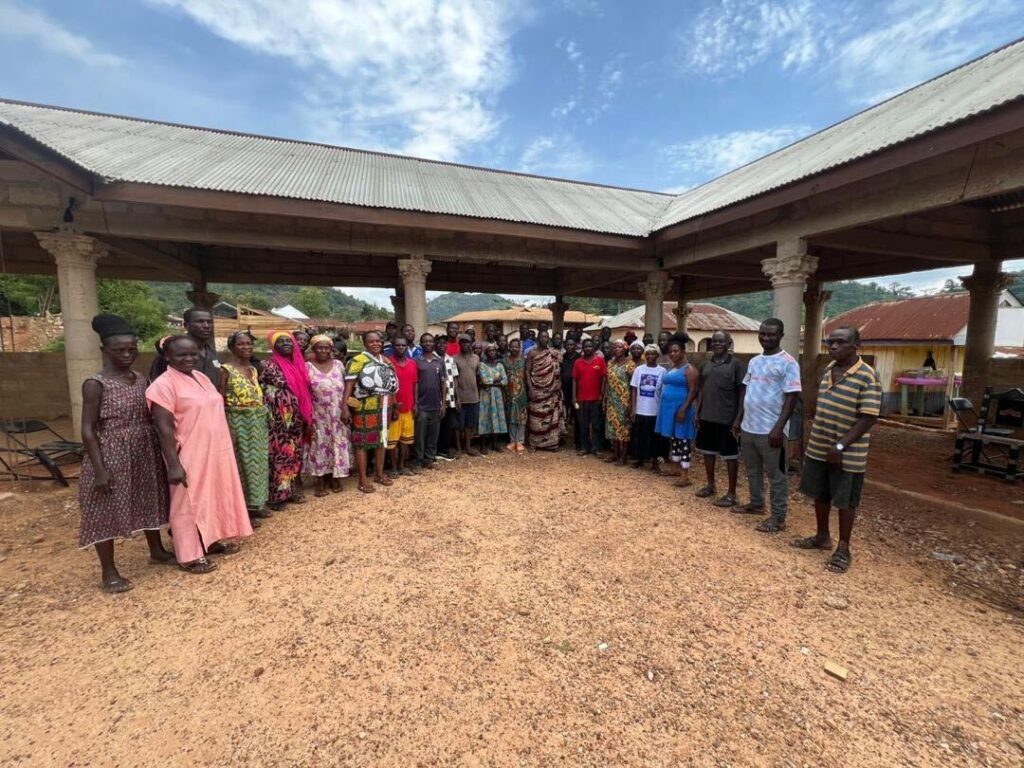
Over the years, gender inclusion has also become a more serious consideration within restoration funding. Many organisations now look carefully at whether women are involved in project governance, community engagement, and economic opportunities connected to restoration work. This reflects a broader understanding that women often play important roles in local land management, food systems and community resilience.
Within Plant-for-Ghana, women participate in project committees, restoration activities, biodiversity training programs, and livelihood initiatives connected to the project. Their involvement is integrated into the structure of the restoration work itself rather than treated as a separate addition. This shift can increasingly be seen across restoration projects globally, particularly within community-based models.
5. Ecological credibility matters more than simple planting numbers
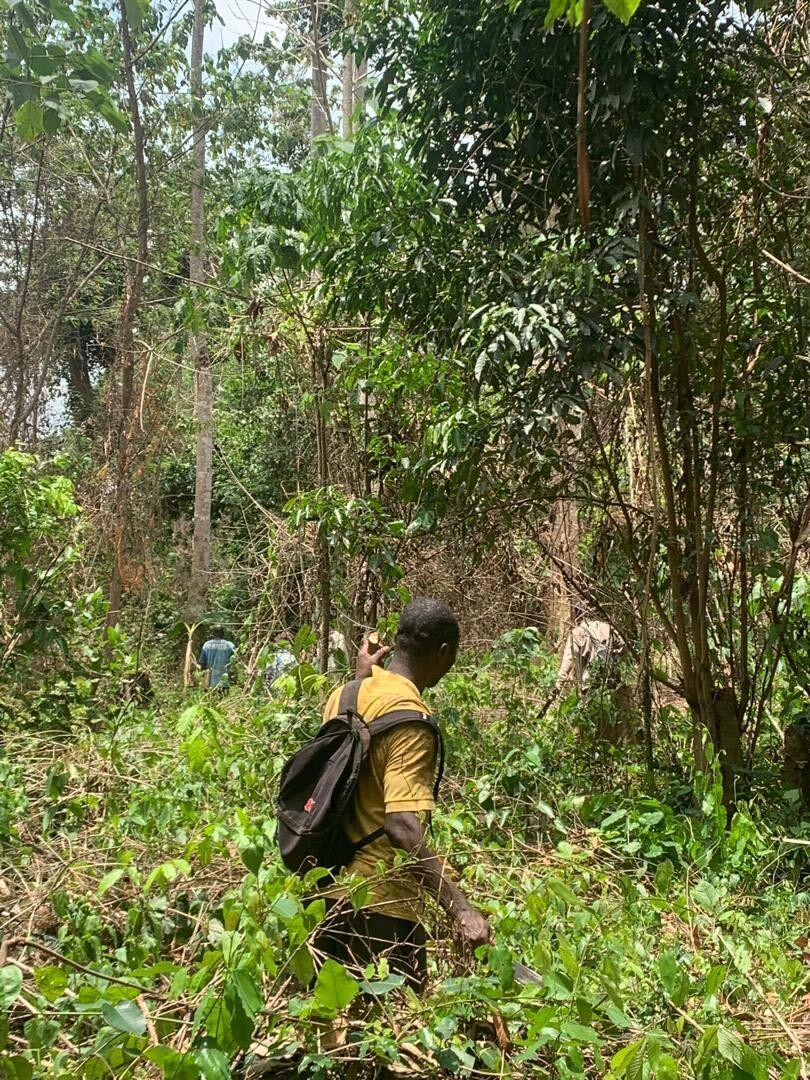
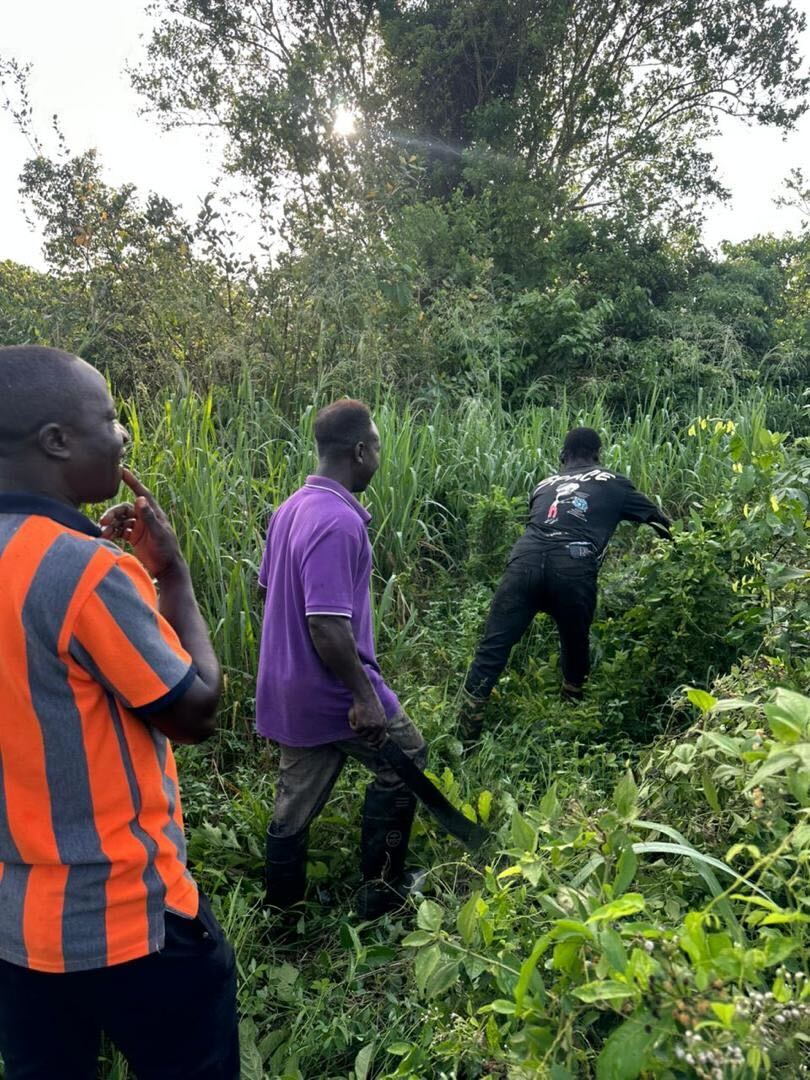
The restoration sector has also become more careful about focusing only on large planting targets. Over time, there has been greater discussion around survival rates, biodiversity, native species, and the ecological suitability of restoration methods. Organisations increasingly ask how restoration fits the local ecosystem and whether projects are designed for long-term ecological resilience.
Plant-for-Ghana’s approach reflects this broader shift toward adaptive restoration. The project combines native tree planting, assisted natural regeneration, agroforestry systems, biodiversity monitoring and restoration methods adapted specifically to savannah ecosystems.
Ecological experts and local knowledge both play a role in shaping restoration strategies over time. This is especially important because savannah ecosystems have historically received far less restoration attention than tropical forests, despite their ecological significance.
Restoration is becoming more connected to long-term social resilience
What becomes visible across these shifts is that restoration is increasingly understood as a long-term social and ecological process at the same time. Projects are evaluated through environmental outcomes AND through governance structures, community trust and local participation. International organisations increasingly seem interested in projects that can continue developing long after a grant period ends.
As restoration organisations ourselves, we are still continuously learning from this process. Long-term forest restoration depends heavily on the people who live alongside these ecosystems every day. The future of restoration funding will likely continue moving toward projects that combine ecological restoration with genuine local ownership and long-term community involvement.
 09.15.26
Together, We Can Achieve More: Key Takeaways from the F20 Climate Solutions Forum 2026
Political space for action is shrinking, international consensus on climate action is becoming increasingly fragile, and geopolitical tensions are on the rise. At the… 09.03.26
Why Climate Education for Children Starts with One Mentor or One Academy.
A regular, floody day in The Gambia. It is 9 am on a September Tuesday on the “Smiling Coast of Africa”. The dry season…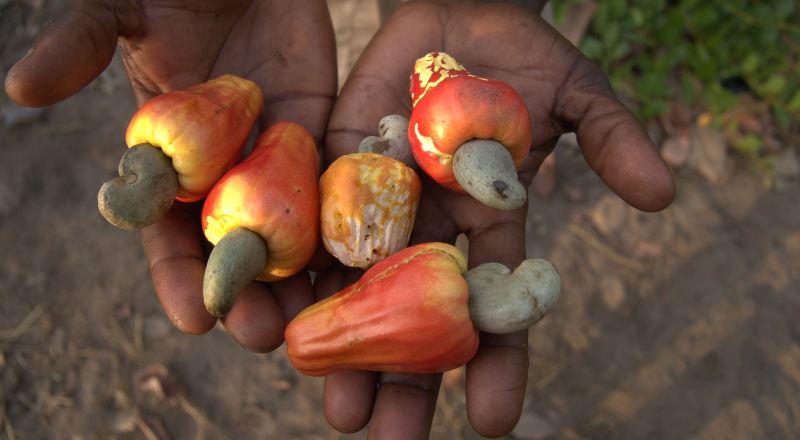 08.26.26
Restoring Landscapes: The Power of Agroforestry in Ghana
Restoration works best when it happens together with local communities. In many regions, people live in close proximity to ecosystems in need of recovery,…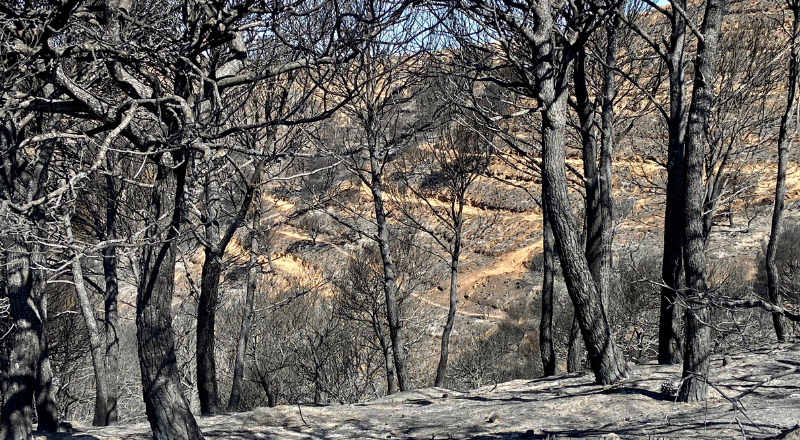 08.25.26
Wildfires, Climate Crisis and Forest Restoration: What Happens After the Fire?
The impacts of the climate crisis are becoming increasingly visible in the summer of 2026. Prolonged periods of heat and drought have contributed to…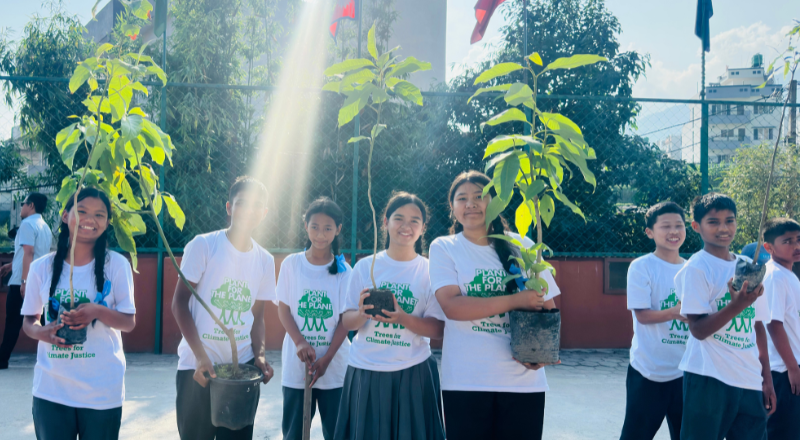 08.21.26
One Community at a Time: Growing Youth-Led Climate Action in Nepal
Children and youth are disproportionately affected by the climate crisis, facing higher risks of disease, malnutrition, and displacement. Yet, as UNICEF’s Falling Short report…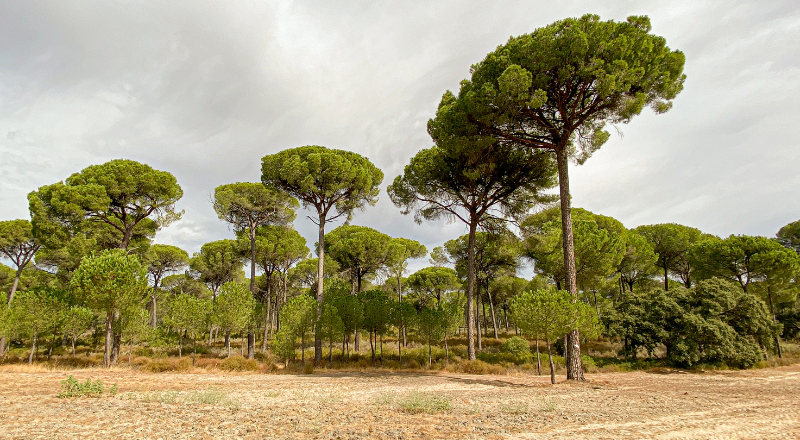 08.20.26
Restoration in Spain: Bringing Nature Back to Life
Spain is one of the European countries most vulnerable to desertification and the impacts of the climate crisis. Soil degradation, increasingly frequent wildfires, and…


