

May 11, 2026

Zeinep Ibragim Kyzy
- Children in India and Nepal are participating in long-term mentorship groups through Plant-for-the-Planet, where they work on environmental projects throughout the year.
- Dharmendra Kapri and Sudeep Ghimire have spent years organizing academies and empowering young Climate Justice Ambassadors in their local communities.
- The mentorship program helps students stay connected through eco-parks, handicraft workshops, composting projects, climate education activities and collaborative environmental initiatives in schools.
- Both organizers focus strongly on local environmental education, everyday sustainability practices, and helping children build long-term environmental awareness through practical experiences.
- In rural schools across Uttarakhand and Nepal, students are connecting climate education with their own communities, landscapes, and daily lives.
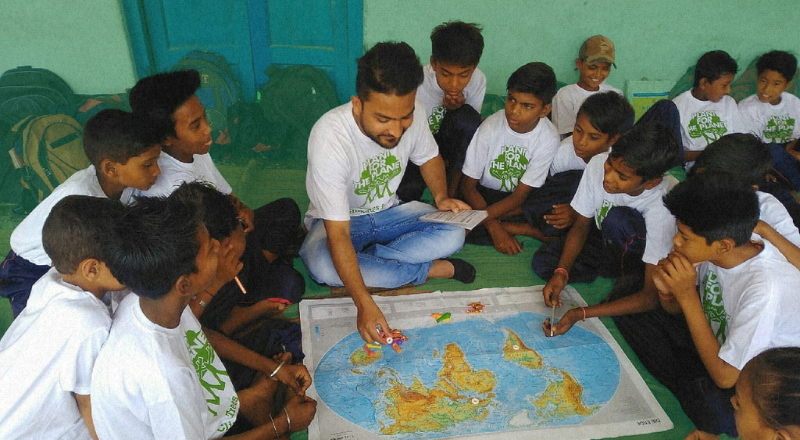
More than a decade ago, two young people joined Plant-for-the-Planet. Years later, Dharmendra Kapri and Sudeep Ghimire are now helping lead Plant-for-the-Planet’s mentorship program, where children spend months working on building confidence and becoming #GenerationRestoration.
Both have seen the empowerment program evolve over the years, from one-day academies into long-term mentorship groups that stay connected throughout the year and continue developing projects inside communities long after the workshops are over. This new model is complementary to our regular empowerment academies and we are excited to see its outcomes.
We spoke with both educators and organizers about what has changed through the mentorship model, and what they are learning from children.
Dharmendra Kapri
Building environmental habits and local responsibility in India.
Dharmendra first became involved in environmental activities through his school eco-club in Uttarakhand, a mountainous region in northern India close to Nepal where forests and agricultural traditions remain closely connected to everyday life. He remembers being strongly influenced by one of his teachers, who showed him that environmental work could exist alongside daily responsibilities.
“I learned that you can contribute to environmental activism while also continuing your professional life,” he explained.
That perspective still shapes the way he approaches empowerment work today. During mentorship sessions, Dharmendra often tells students that environmental responsibility should become part of everyday thinking regardless of what career they eventually choose in the future.
“You do not need to become an environmental scientist to care about the environment,” he said. “You can become a doctor, engineer, teacher, or anything else and still carry environmental awareness into your work and daily life.”
For him, this is exactly why local and small-scale empowerment matters so much, especially when working with younger children. Rather than overwhelming participants with distant global targets or expectations that feel impossible to reach, he focuses on practical habits and small actions that children can realistically integrate into their own routines and communities from an early age.
He often shows young people green alternatives to their everyday habits. Over time, he believes these everyday habits slowly shape the way children think about the relationship between their personal choices and the environment around them.
“If children begin developing this awareness early, they carry it with them into every part of their future life,” he explained.
In his view, environmental awareness becomes most effective when it gradually turns into part of a person’s ordinary decision-making rather than remaining connected only to environmental organizations.
“That civic sense should become part of this generation,” he said. “When somebody wastes water or litters somewhere, children should feel comfortable speaking up about it.”
This idea also influences the structure of the mentorship projects themselves. Instead of focusing only on tree planting numbers or large symbolic activities, Dharmendra encourages projects that keep students consistently involved in maintaining spaces and taking long-term responsibility for their surroundings.
The eco-parks developed by his mentorship groups most reflect this approach. Students divide responsibilities between watering plants, documenting growth, preparing compost, decorating the spaces and monitoring plant health over time. Through these activities, environmental work becomes connected to routine and a greener mindset takes root in their lives.
“We wanted something that would remain part of the school every day,” he explained. “The children continue seeing the park, taking care of it, and feeling connected to it.”
Dharmendra has also noticed that younger participants are becoming increasingly environmentally aware in ways that influence the adults around them as well. During mentorship sessions, children have suggested reducing disposable packaging, borrowing reusable plates from school meal programs during events and avoiding unnecessary plastic waste during activities.
“These ideas came directly from the students,” he said. “They pay close attention to these details.”
For him, one of the most meaningful aspects of empowerment work is watching children slowly develop confidence in their own ability to influence their surroundings, whether through conversations at home or habits inside schools.
“Even if somebody eventually becomes a doctor or an engineer,” he said, “they can still remain environmentally conscious in the way they live, work, and interact with other people.”
Sudeep Ghimire
Bringing environmental education into rural Nepal.
Sudeep joined Plant-for-the-Planet in 2012 after discovering the movement through environmental activities and youth engagement projects in Nepal. At the time, what stood out to him most was seeing children actively organizing events and planting trees within their communities.
“I felt very connected to the idea because activities were happening directly on the ground,” he explained.
Soon afterward, he co-moderated an academy in Nepal together with another activist from the country and became increasingly involved in organizing academies himself. During his undergraduate studies in India, he continued organizing academies across southern India before returning to Nepal and continuing the work there.
Sudeep grew up in rural Nepal, where access to extracurricular opportunities and environmental education was much more limited than in larger urban areas. That experience strongly shaped the way he approaches empowerment work today.
“When I was younger, I always felt these opportunities only reached certain places,” he said. “Students in rural areas had very limited exposure outside the regular school curriculum.”
Because of this, many of his activities now focus specifically on rural schools and communities. He currently works in Nepal’s Solukhumbu district, home to Mount Everest, where climate change already affects everyday life through flooding, unstable weather, heavy rainfall and melting glaciers.
“When we discuss environmental issues using local examples, students connect with them much faster because they already see these changes happening around them,” he explained.
The environmental challenges facing the region often become part of mentorship discussions and storytelling activities during academies. Sudeep adapts many of the educational materials to local realities so students can connect environmental concepts to their own surroundings and experiences.
“There is a huge difference between urban and rural education in Nepal,” he said. “Students in rural areas are often extremely motivated because opportunities like this are still very rare.”
The mentorship model has become especially meaningful for him because it allows children to remain connected over a longer period of time rather than participating in a single workshop and losing contact afterward.
“Mentorship keeps the momentum moving,” he explained. “The students continue meeting, continue discussing ideas, and continue developing projects together.”
The projects organized through mentorship groups in Nepal include tree-planting, school cleaning campaigns, handicraft workshops using waste materials, carbon footprint calculations, poster-making sessions and so many other environmental projects.
During one workshop, students calculated their own carbon footprints using a web resource before designing posters about ways to reduce emissions in their daily lives.
Sudeep also described how group work gradually changes the relationships between participants.
“When students work together for a long time, they naturally become connected to each other,” he explained.
Over the years, one of the most rewarding experiences for him has been returning to schools where academies were organized years earlier and seeing how the projects continued growing over time.
“There are schools where the trees planted during earlier academies are now fully grown,” he said. “Teachers still remember the activities, and students remember participating in them.”
He has also watched former participants continue environmental work and become involved in broader climate discussions in Nepal.
“There are students who participated in academies years ago and now share their own environmental stories in larger spaces,” he said.
At the same time, Sudeep remains realistic about the challenges involved in long-term mentorship work. Schools sometimes struggle to allocate time for regular mentorship sessions because students are missing parts of their normal classes, while younger participants occasionally need support developing practical project ideas that fit local realities and available resources.
Still, he believes the mentorship model creates a much stronger long-term impact because students remain engaged over time and continue developing confidence through repeated activities and collaboration.
When asked to describe the mentorship program in a single image, Sudeep compared it to pumping air into a tire so it keeps moving forward.
For him, the movement continues growing through exactly those kinds of small moments: students working together inside classrooms, slowly building the confidence to continue climate action long after the mentorship sessions are over.
In conclusion…
Our empowerment program always evolves to fit the needs of our educators and youths. Having such motivated and thoughtful cluster-heads like Sudeep and Dharmendra means that we can decentralise our empowerment work and truly make local difference and a global impact.
Plant-for-the-Planet started as an organisation that aimed to empower children to stand up for their future. Having cluster heads that understand the climate education gap in their regions allows our message to reach even the more remote communities. Because climate justice can only be achieved when the whole world is on board.
Click here if you are interested in learning more about our empowerment program.
Let’s become #GenerationRestoration.
 09.15.26
Together, We Can Achieve More: Key Takeaways from the F20 Climate Solutions Forum 2026
Political space for action is shrinking, international consensus on climate action is becoming increasingly fragile, and geopolitical tensions are on the rise. At the…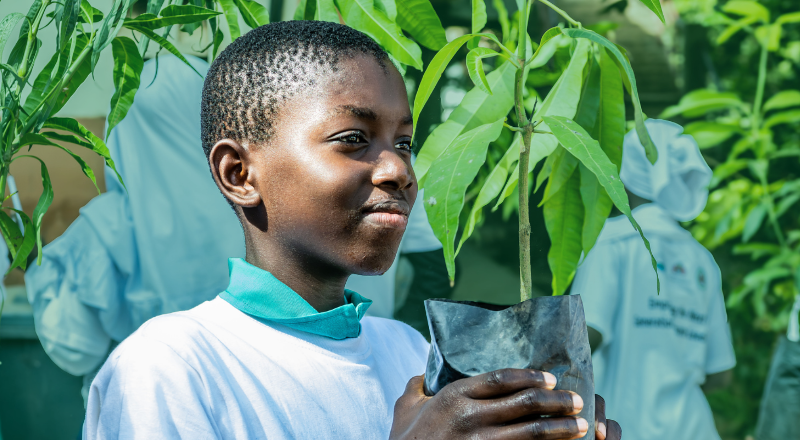 09.03.26
Why Climate Education for Children Starts with One Mentor or One Academy.
A regular, floody day in The Gambia. It is 9 am on a September Tuesday on the “Smiling Coast of Africa”. The dry season…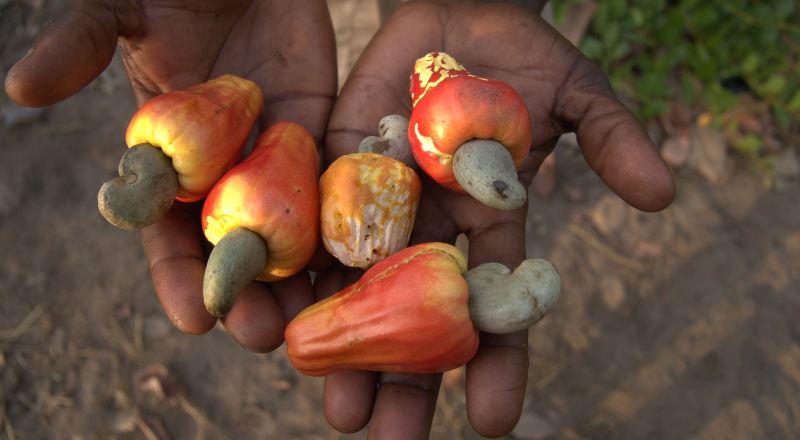 08.26.26
Restoring Landscapes: The Power of Agroforestry in Ghana
Restoration works best when it happens together with local communities. In many regions, people live in close proximity to ecosystems in need of recovery,…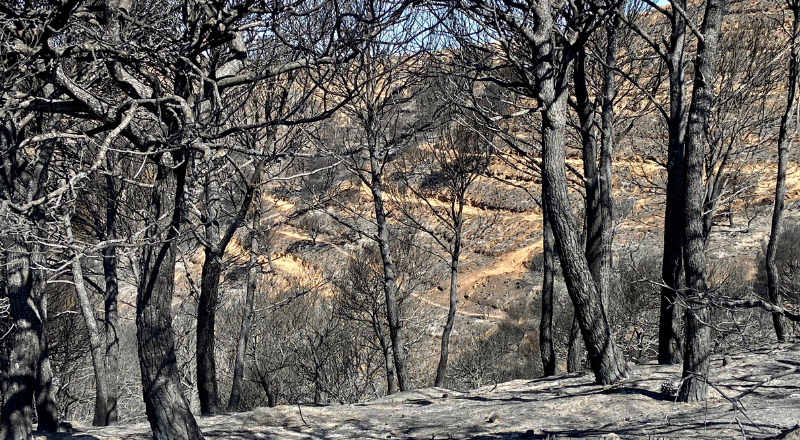 08.25.26
Wildfires, Climate Crisis and Forest Restoration: What Happens After the Fire?
The impacts of the climate crisis are becoming increasingly visible in the summer of 2026. Prolonged periods of heat and drought have contributed to…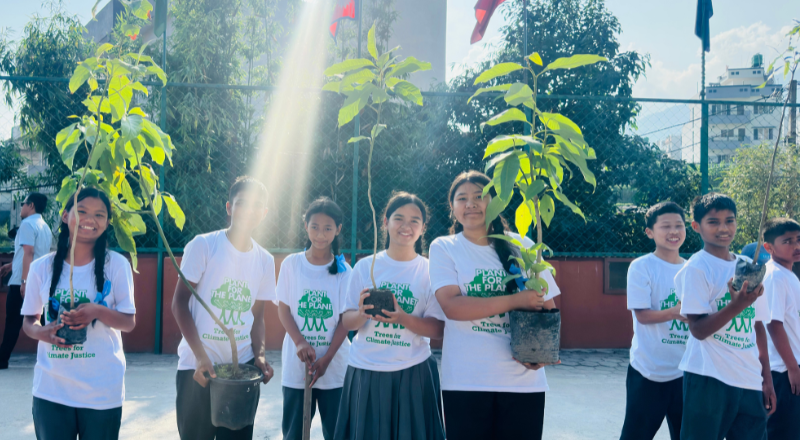 08.21.26
One Community at a Time: Growing Youth-Led Climate Action in Nepal
Children and youth are disproportionately affected by the climate crisis, facing higher risks of disease, malnutrition, and displacement. Yet, as UNICEF’s Falling Short report… 08.20.26
Restoration in Spain: Bringing Nature Back to Life
Spain is one of the European countries most vulnerable to desertification and the impacts of the climate crisis. Soil degradation, increasingly frequent wildfires, and…


