

June 17, 2026

Sagar Aryal
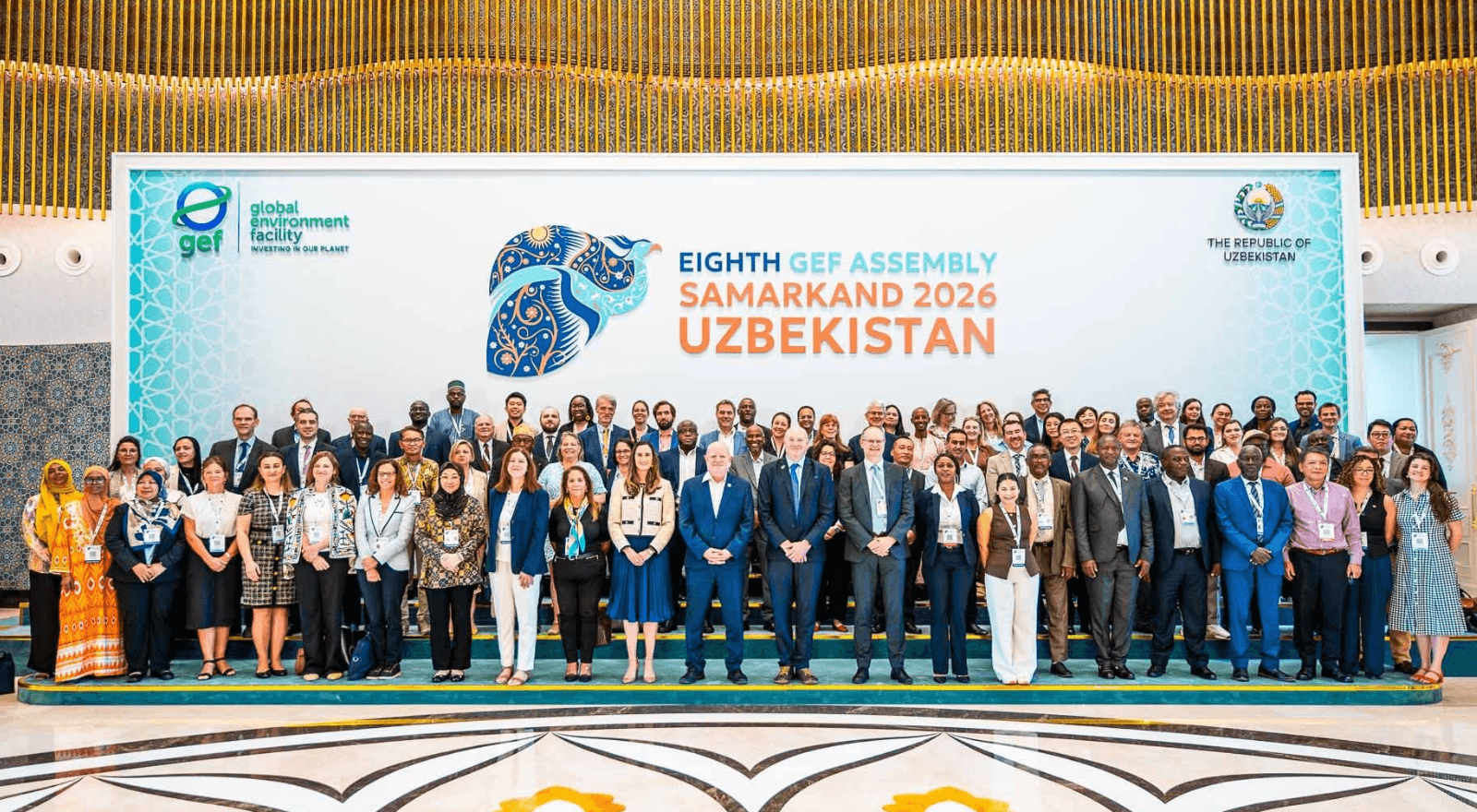
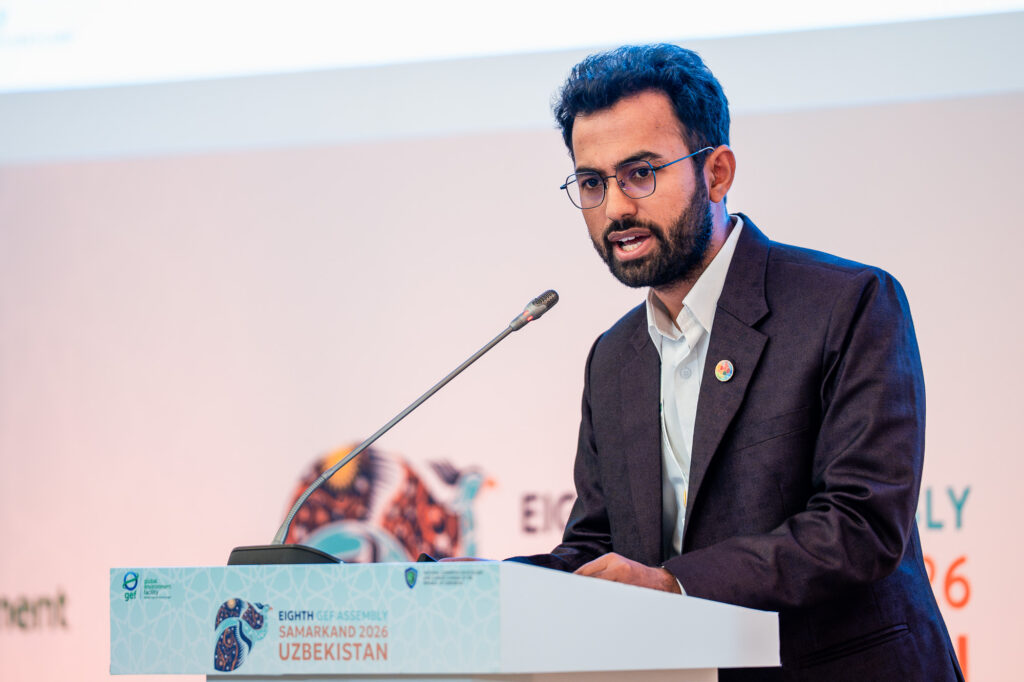
Sagar Aryal (CTO at Plant-for-the-Planet) is also the Vice Chair of the GEF-CSO Network and led the civil society policy/delegation in the GEF-9 replenishment negotiations. Plant-for-the-Planet is a member of the Network.
In the Gran Calakmul landscape in Yucatán Peninsula, Mexico, our teams restore forest on land that sits inside one of the most carbon-rich tropical regions in the Americas. Plant-for-the-Planet does not receive funds from the Global Environment Facility. But the landscape we work in has been shaped by GEF money for more than twenty years, through protected-area programmes, a regional forest biome programme, and most recently a biodiversity fund that names Balam Kú as one of its pilot biosphere reserves. We operate alongside those international investments, with our independent resources creating impact across the wider landscape in the region, for example, through our Yucatán Restoration project and our work within the Balam Beh jaguar corridor.
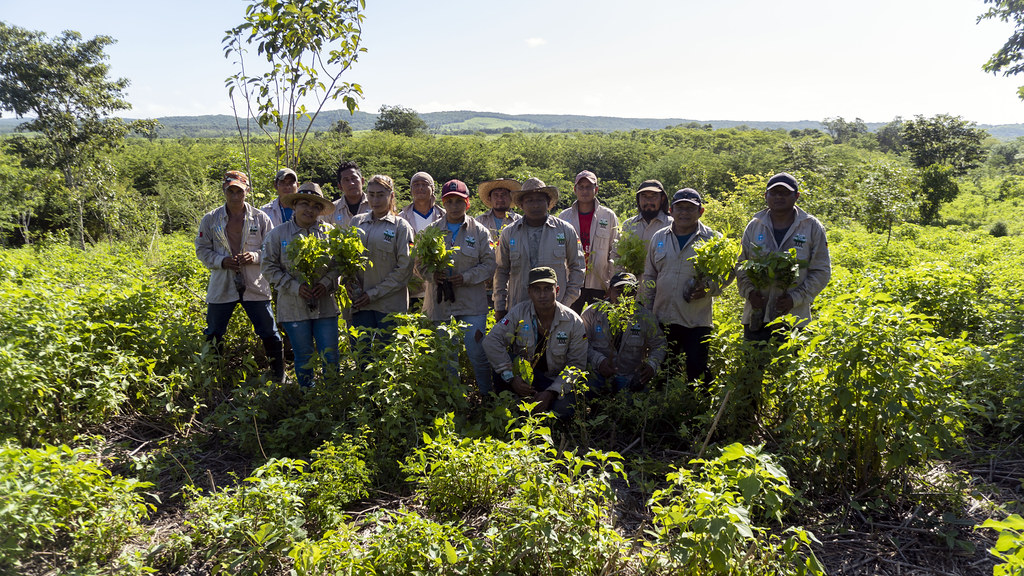
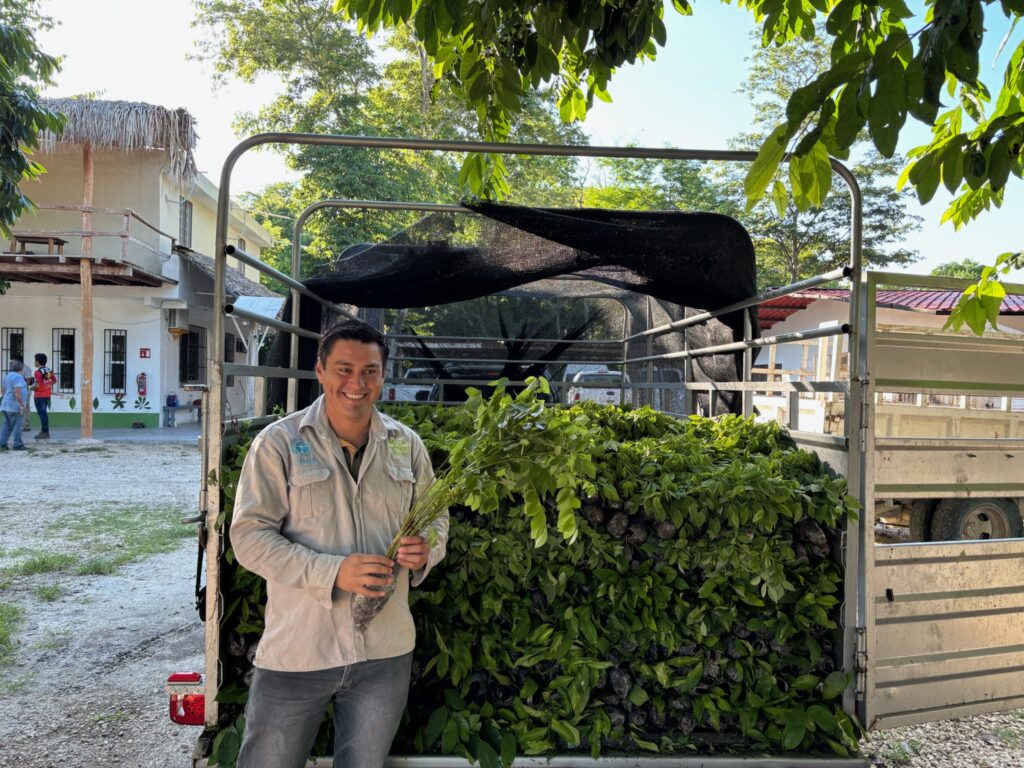
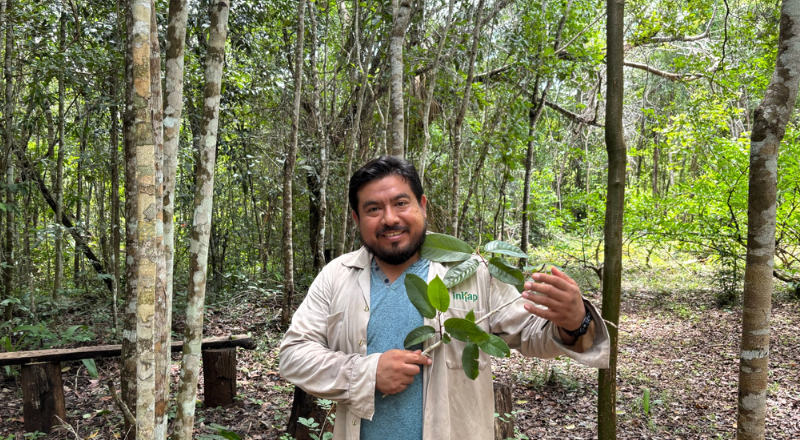
That is the quiet truth about the GEF. It is the largest multilateral fund dedicated to the global environment, and biodiversity is its biggest slice. Yet most people who plant trees, guard reserves, or run community tree nurseries have never seen a GEF logo. The money moves through large Agencies such as UNDP, UNEP, the World Bank, and IUCN. It rarely touches a local or community-rooted organisation directly.
That is now changing, on paper at least. And the story of whether it changes in practice is worth telling honestly.
The shift: a 20 percent ambition
In the GEF-9 replenishment, governments agreed something striking. An aspirational target of 20 percent of GEF-9 programming is to be directed toward actions by Indigenous Peoples and local communities. Twenty percent of the whole fund, not a small set-aside, aimed at the people who live in and care for the ecosystems the GEF is trying to protect.
The key word here is aspirational. It is written into the agreed text as a bold ambition rather than a binding floor. And Yet, it remains significant: it is specific to Indigenous Peoples and local communities, the rights-holders closest to the land, rather than a loose category of “local actors.”
For those of us in civil society, this is a real win. When the GEF-CSO Network speaks of civil society, we mean an umbrella that includes Indigenous Peoples, local communities, youth, and women. A 20 percent ambition for IPLC-led action is a win for that whole constituency. It is the kind of commitment we have argued for over many cycles, including at the GEF-9 replenishment table itself, where we pressed the case that funding climate work takes more than money. Read more here.
Why Big Funds Struggle with Local Contexts
Here is the part that is easy to skip and important to say. The GEF was built to be efficient. Large projects, experienced Agencies, measurable results at scale. That design has delivered a great deal. It is also exactly what makes reaching small, local, and Indigenous-led organisations hard.
The GEF’s own Independent Evaluation Office has returned to this point over the years. Getting money to the ground, to the actors who hold local and Indigenous knowledge, runs against the grain of a system optimised for big, clean, auditable flows. Good intentions at the top do not automatically reach a community nursery at the bottom.
This happened in a tighter cycle, not a flush one. GEF-9 was pledged at about USD 3.9 billion, down from USD 5.25 billion in GEF-8. So the 20 percent ambition is a larger share of a smaller fund. That makes it both braver and more fragile: the priority rose while the money fell.
The contradictions inside GEF-9 show the strain. In the same cycle that set the 20 percent ambition, the Small Grants Programme, the most direct channel the GEF has ever had to community organisations, had its central pot cut by about USD 20 million. The programme keeps that core pot, and countries can top it up from their own STAR allocations, the national envelopes each country controls. But that top-up is a choice, not a guarantee, so rebuilding the channel now leans on countries opting in. That makes the most community-friendly channel one of the least certain. So the headline and the plumbing are pulling in different directions: a bold target sitting on top of a system that just trimmed its most local pipe. That tension is the real story.
How the money actually reaches restoration work
This matters because the wider funding world is already moving the same way, shifting from one-off grant calls toward long-term support for community-rooted projects. The GEF is a large, slow institution catching up to a shift good funders have already made. If you run a restoration organisation, two channels matter most.
The first is the Small Grants Programme, which gives modest grants straight to community groups and local NGOs. Many restoration organisations got their first international funding this way. It is small, slow to scale, and, as noted, it took a cut this cycle. It is also changing shape: long delivered through UNDP alone, the programme is now run by several Agencies, with FAO and Conservation International joining UNDP, which could widen the ways a local organisation reaches it.
The second is the Inclusive Conservation Initiative, which supports Indigenous and community-led conservation at a larger scale. Here the news is genuinely good. The Initiative grew roughly four times in GEF-9, from about USD 25 million to about USD 100 million. That is a serious signal that the GEF means to back community-led conservation with real money, now, not someday.
Plant-for-the-Planet does not draw on either. Our restoration on the Yucatán Peninsula runs on our own state agreement and our own supporters. Across Plant-for-the-Planet’s Restoration Platform, our digital platform that enables more than 300 projects worldwide to raise donations, manage their sites, and transparently monitor their progress, the connection runs deep. Many of the organizations we work with have accessed GEF funding in the past, often through the Small Grants Programme, while others operate in landscapes that GEF money has actively helped protect. Ultimately, the health of these institutional channels shapes the entire field we work in.
Agency expansion: a foundation, not a quick fix
GEF-9 also opened the door to new Agencies, which is how the GEF hopes to widen the set of organisations that can carry its funding to communities. This matters for the long run. But it will not deliver the 20 percent on its own. New Agencies take around three years to become operational, so their effect during GEF-9 is marginal.
The honest way to see it: GEF-9 lays the foundation. The bigger pay-off comes in GEF-10, when new Agencies are running, and there is a track record to point to.
What turns a target into a result
An aspiration becomes real only when three things are true. You have to count it, report it, and give communities a real seat where decisions are made.
Counting means a simple marker at project design that records when Indigenous Peoples and local communities actually lead the work, as the executing entity or holding decision-making control, not when they are merely mentioned. Reporting means that number shows up in the GEF’s public scorecards, cycle after cycle, so anyone can check progress. And a real seat means CSO and IPLC representatives with genuine weight in the committees that steer country portfolios, not observers in the back of the room.
This is the work the GEF-CSO Network is pressing for now. Not a slogan, but a method that lets everyone see whether the 20 percent is being met.
Why we are hopeful
It would be easy to read the Small Grants Program cut and the word “aspirational” and conclude that nothing has changed. That would be wrong. A fund this large does not write a 20 percent IPLC ambition into its core text by accident. The four-fold jump in the Inclusive Conservation Initiative is money moving, not a promise. The direction is set.
The job now is to hold the line and build the evidence, so that in GEF-10 the question is no longer whether communities can deliver, but how much further the share should go. We think the answer is higher, 30 to 40 percent, earned on track record rather than aspiration.
From a forest on the Yucatán Peninsula, the view is clear. The world’s biggest environmental fund has decided that the people closest to nature should be closer to the money. We intend to help make that real.
 09.03.26
Why Climate Education for Children Starts with One Mentor or One Academy.
A regular, floody day in The Gambia. It is 9 am on a September Tuesday on the “Smiling Coast of Africa”. The dry season… 08.26.26
Restoring Landscapes: The Power of Agroforestry in Ghana
Restoration works best when it happens together with local communities. In many regions, people live in close proximity to ecosystems in need of recovery,… 08.25.26
Wildfires, Climate Crisis and Forest Restoration: What Happens After the Fire?
The impacts of the climate crisis are becoming increasingly visible in the summer of 2026. Prolonged periods of heat and drought have contributed to…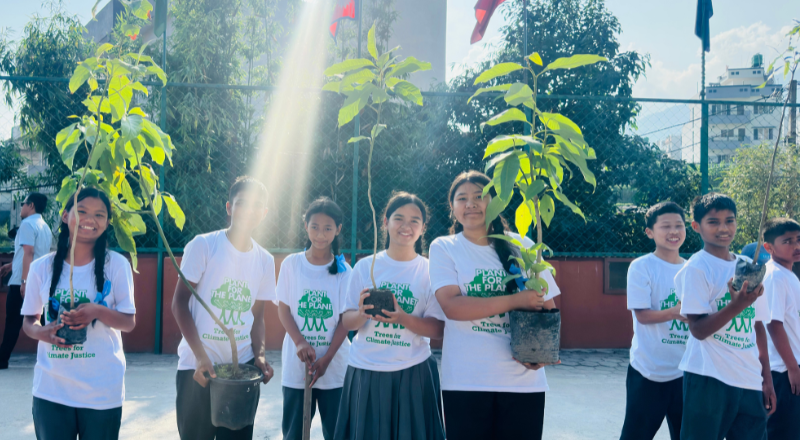 08.21.26
One Community at a Time: Growing Youth-Led Climate Action in Nepal
Children and youth are disproportionately affected by the climate crisis, facing higher risks of disease, malnutrition, and displacement. Yet, as UNICEF’s Falling Short report…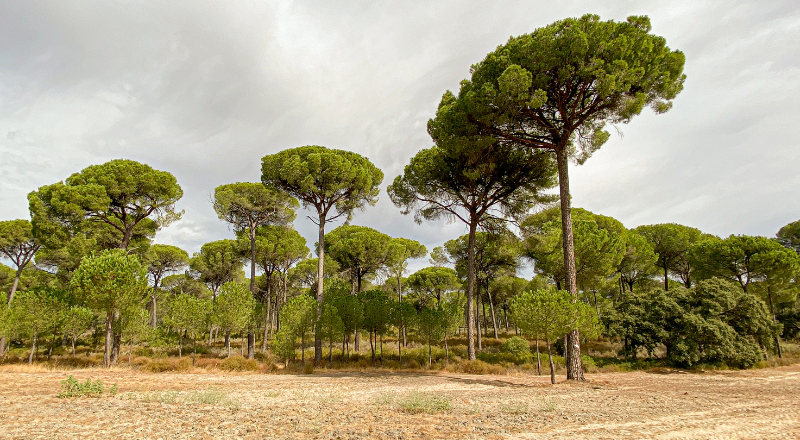 08.20.26
Restoration in Spain: Bringing Nature Back to Life
Spain is one of the European countries most vulnerable to desertification and the impacts of the climate crisis. Soil degradation, increasingly frequent wildfires, and…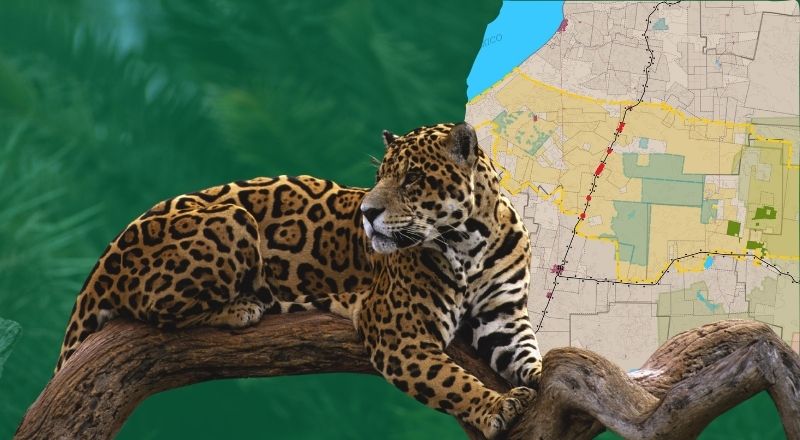 08.07.26
Balam Beh in Mexico: Why Jaguars Need Wildlife Corridors
The jaguar is the largest big cat in the Americas and an iconic symbol of the tropical forests of Central and South America. Yet…


