

November 23, 2026

Plant-for-the-Planet
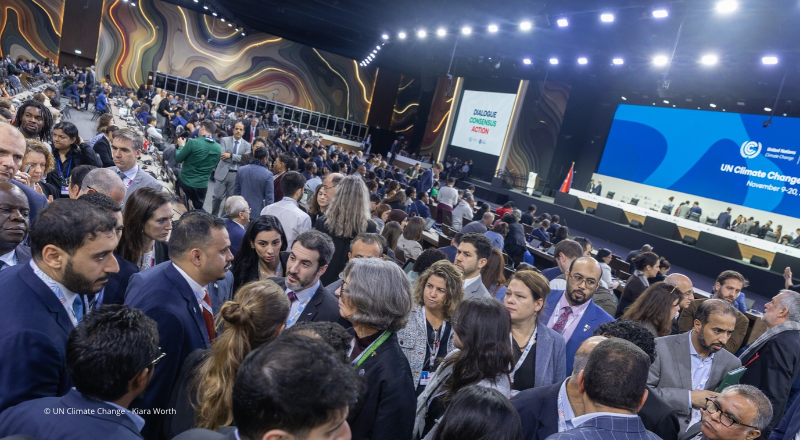
Over more than two weeks of negotiations at COP 31, tensions ran high around the findings of the UNEP Emissions Gap Report. As the gap between current climate commitments and required emissions cuts widens, we are heading toward a dangerous overshoot of 1.5°C, a scenario that carries irreversible risks for ecosystems, frontline communities, and future generations.
COP 31 could have been a turning point, the so-called “Implementation COP”, a moment not only to confront the scale of the crisis, but to agree on stronger mitigation measures and deliver urgently needed climate finance. Instead, a handful of states sought to stall progress. They pushed false solutions, fell short on their financial responsibilities, and attempted to strip away hard-won language on transitioning away from fossil fuels, human rights, gender justice, and children’s rights. All of that helped COP 31 finish as a failure for the planet and the people.
Still, concluding that multilateralism is failing us would be a mistake. Rather than giving up on global cooperation, we need to recognize and strengthen the alliances of countries and actors fighting for real ambition. These coalitions are putting forward tangible pathways to address the crisis, including concrete roadmaps for a just transition away from fossil fuels and for halting and reversing deforestation by 2030.
Now, more than ever, we cannot afford to wait for those who continue to undermine the Paris Agreement. It is time to act. Moving forward, we will continue standing strong with civil society organizations, local communities, and ambitious governments around the world. Together, we will keep advocating for stronger emissions cuts, a just energy transition, the protection of forests and biodiversity, and children and youth participation. Those voices and perspectives matter very much in building a livable, climate-just future.
Because the climate crisis is an interdisciplinary challenge, COP 31 spanned dozens of critical issues, from adaptation to broader climate finance, rightfully so. But here, we focus on three pillars central to our work on the ground: halting fossil fuel expansion, protecting the world’s forests, and defending children’s rights and youth participation.
When Consensus Fails, Coalitions Act: The Case for Fossil Free Zones
While the proposed COP 31 cover decision in Antalya made no direct mention of fossil fuels-, a glaring omission that ultimately led the EU, Pacific Island states, and several other nations to reject the text at the summit’s close-, progress does not depend on consensus from obstructionist states alone. During the talks, more than 130 countries still rallied behind a proposal to accelerate the transition away from fossil fuels, proving that bilateral and regional agreements between ambitious governments matter more than ever.
Fossil Free Zones offer a concrete way for these coalitions to turn commitments into reality on the ground. Geographically defined areas of high ecological, cultural, or social importance, Fossil Free Zones are permanently protected from oil, gas, and coal exploration, extraction, and related infrastructure. By safeguarding critical ecosystems, biodiversity hotspots, and Indigenous territories, they protect both nature and the communities whose livelihoods depend on it.
At COP 31, more than 40 organizations, alongside frontrunner nations like Colombia and Vanuatu, championed the joint Fossil Free Zones Declaration, calling on governments to establish these protected areas and integrate them into their national roadmaps for a just transition away from fossil fuels. Plant-for-the-Planet supports this declaration and its call to move from political promises to immediate territorial action. When global consensus stalls, binding commitments among willing countries to establish Fossil Free Zones are an essential step toward halting fossil fuel expansion, protecting vulnerable ecosystems, and upholding Indigenous Peoples’ rights.
Forest Emergency at the Heart of Climate Action
The failure to reach consensus in Antalya was also a setback for the world’s forests. Ahead of COP 31, Brazil’s COP 30 Presidency unveiled a clear, practical roadmap to halt and reverse deforestation and forest degradation by 2030. Yet governments once again failed to throw their collective political weight behind it, leaving a dangerous gap between global climate promises and the protection of vital ecosystems already pushed to the brink by the climate crisis.
Still, meaningful momentum emerged on the sidelines. The Tropical Forest Forever Facility (TFFF) gained fresh financial backing and doubled its sponsors, showing how quickly dedicated forest financing can grow when frontrunner nations step up. Even more encouragingly, states published their final report on the Congo Basin Pledge (2021–2025), revealing that donors far exceeded their $1.5 billion target by delivering $2.25 billion to protect the world’s second-largest rainforest, and setting an even higher $2.5 billion goal for 2026–2030.
To build on these bright spots, global forest action must become both more inclusive and more comprehensive. First, Indigenous Peoples and local communities, the most effective guardians of biodiversity, must have direct access to financial resources to lead conservation efforts rooted in their own knowledge and governance. Second, implementation of the Forest Roadmap must explicitly account for dry forest ecosystems, which are too often overlooked despite their immense value for biodiversity and local livelihoods.
As the world looks toward COP 32, ending deforestation by 2030 must move from the margins to the center of climate action. That means closing remaining forest finance gaps, enforcing deforestation-free supply chains, halting destructive extractive projects in biodiversity-rich ecosystems, and ensuring funding flows directly to the communities on the frontlines.
When Negotiations Stall, Youth Demands Grow Louder
Action for Climate Empowerment (ACE) is the negotiation stream most relevant for the public participation and education of children, youth and all of society. While seeing progress made in the negotiation stream, the closing plenary rejected the draft text with disagreements about gender, and the recognition of women and girls, men and boys in all their diversities. Work has now been pushed to Bonn, where countries will need to resolve their disagreements for a new work programme under this stream to be agreed upon.
As part of the UNFCCC’s youth constitutency, YOUNGO, we advocated for the recognition of demands of the Global Youth Statement, including a signal and recognition of the need to phase out in a just, equitable and fast way, adequate adaptation finance, the consideration of food systems and agriculture and a Fund Responding to Loss and Damage that adequately responds to children’s needs and rights.
This “Overshoot COP” did not live up to the expectation children around the world had, and their fair expctation of policies to safeguard their rights today and tomorrow.
Standing United for a Livable Future
Despite the disappointing outcome in Antalya, the UN climate process remains the only forum where the entire world comes together to confront the climate crisis. The system urgently needs strengthening, yet this deadlock is not a failure of the civil society advocates, frontline communities, and dedicated negotiators who worked tirelessly for ambitious action. As we look ahead to the Bonn Climate Change Conference (SBs) and COP 32 in Addis Ababa, let us stand united for a livable future, one that puts people and the planet above profit, and grounds every new initiative in justice, human rights, and science.
→ Find out more about Plant-for-the-Planet at COP 31 here and all about our advocacy work here.
- 11.23.26
COP 31 Ended Without a Deal & Here’s Where Hope Still Lives
Over more than two weeks of negotiations at COP 31, tensions ran high around the findings of the UNEP Emissions Gap Report. As the… 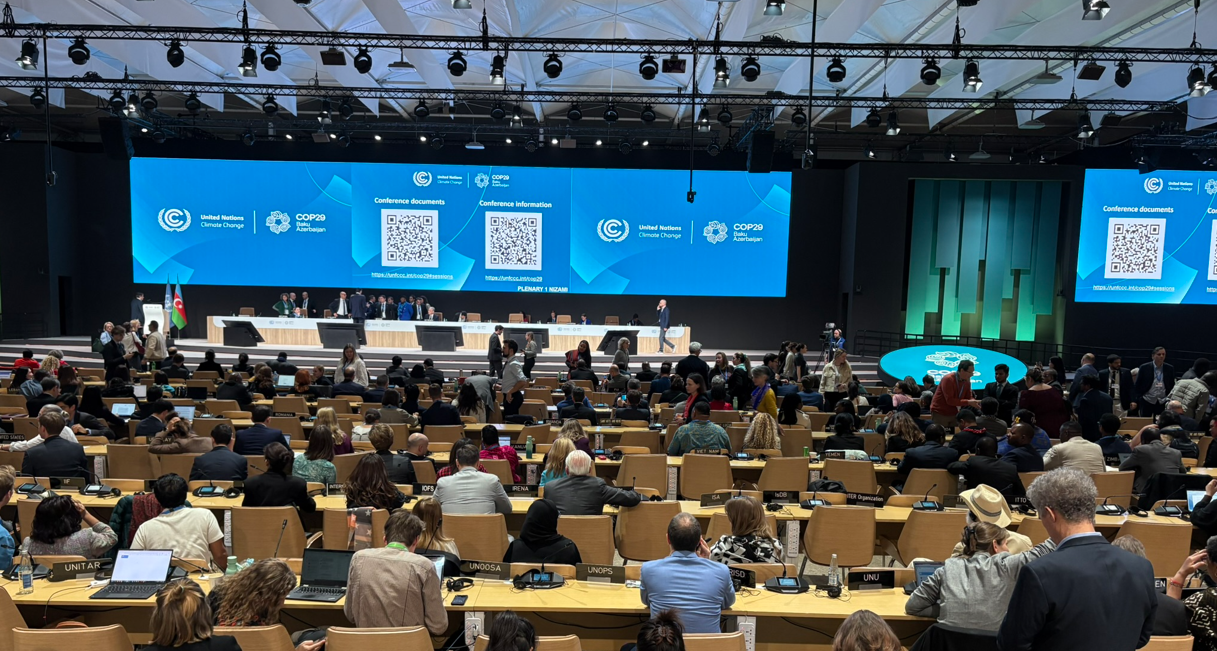 11.12.26
UN Climate Conferences: What Have COPs Actually Achieved?
From 9 to 20 November, the 31st UN Climate Change Conference (COP 31) is taking place in Antalya, Türkiye. Governments from around the world… 11.03.26
COP 31 in Antalya: What Are the Key Issues on the Agenda?
The Climate Crisis affects almost every aspect of our lives. It threatens human health, puts food security at risk and poses growing challenges for… 10.27.26
COP 31 Explained: Key Terms You Need to Know About the UN Climate Conference
Every year, representatives from governments, science, business and civil society come together at the UN Climate Conference. This year, COP 31 will take place… 10.26.26
How Agroforestry Can Be a Win-Win-Win for Nature, Biodiversity, and Communities
During CBD COP 17 in Armenia, we visited an agroforestry project led by Shen NGO to explore how supporting small farmers, working with nature,…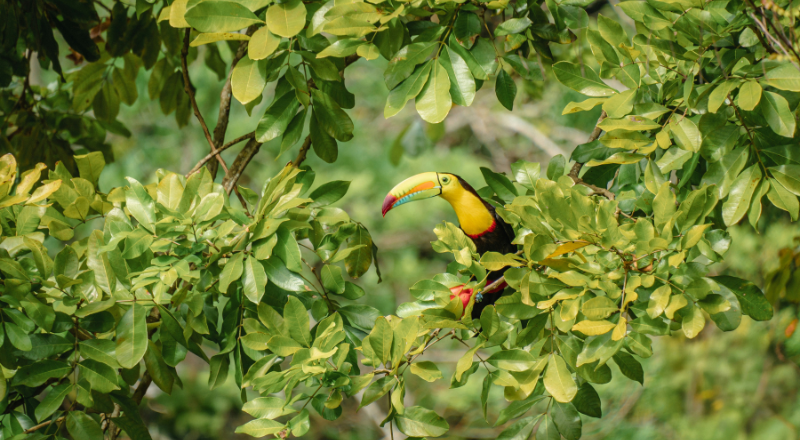 10.13.26
CBD COP 17 Explained: What the UN Biodiversity Summit Means for Nature
When most people hear the word “COP,” their minds immediately jump to the famous climate conference, the massive UN summits where world leaders, diplomats,…


