

October 26, 2026

Zeinep Ibragim Kyzy
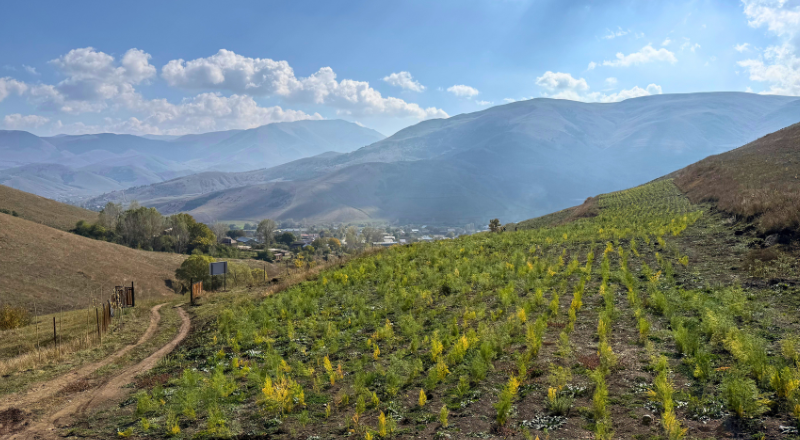
This weekend during CBD COP 17 in Armenia, together with Dr. Jan-Niclas Gesenhues (Member of the German Parliament), we visited the first-ever agroforestry project in Armenia, “Shen NGO,” led by Dr. Hayk Minassian. The organisation “Shen” was founded in 1988 by professors and students of the Yerevan Polytechnic Institute in response to the country’s urgent humanitarian challenges. Since then, it has evolved from providing humanitarian assistance into promoting rural development, implementing projects in more than 370 rural communities across Armenia. Its goal is to improve living conditions in remote and vulnerable regions and work alongside local communities to create better opportunities for people to live and work.
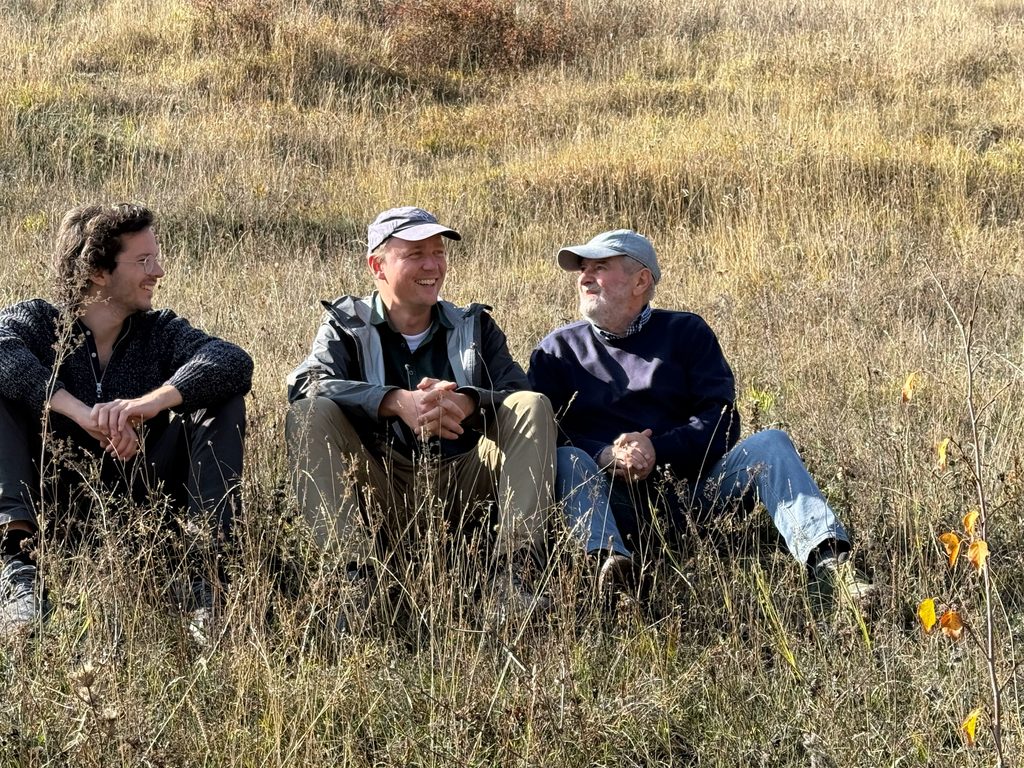
In this blog post, we reflect together with Dr. Hayk Minassian and Dr. Jan-Niclas Gesenhues on the fundamental approaches that are necessary for agroforestry to succeed institutionally, how farmers can be looped into this sustainable approach, and the benefits that agroforestry has for biodiversity.
The setting in which this conversation happened was a picturesque mountain slope, with wildflowers, bees, and young tree seedlings flapping their leaves in the ground. Having this conversation about nature in nature helped us put CBD COP 17 in context and reflect on the value of biodiversity and forests in agriculture.
Small farmers must be supported everywhere
Without active participation in the legal process, many of the needs of the people who are conserving biodiversity and the world’s forests get overshadowed.
How can institutions predict the needs and behaviours of smaller farmers if their voices are not united or amplified within the policy sphere? How do farmers navigate the policy sphere and the market that favours larger actors with more capital and more capacity for research?
This is why the importance of supporting smaller, individual farmers was echoed in the conversations we had at the agroforestry project site.
Dr. Minassian explained how a collective of farmers managed to change policies that had disincentivised them from working together on agroforestry projects. The organisation asked the government to change a law on cooperation that made it easier for farmers to come together and create shared agroforestry projects without having to pay higher taxes.
“It’s good to see how political advocacy can make a difference,” Dr. Gesenhues reflected, seeing how bottom-up movements can truly create a big splash within the policy sphere.
However, Dr. Minassian points out: “We have several failures because they don’t accept serious changes.” He explained how slow bureaucracy can harm meaningful progress, especially when farmers are battling the ever-present impacts of climate change.
Perhaps this is a good insight into what forest protectors really need — faster, more transparent, and efficient systems that let them implement their ideas quickly.
Natural solutions to natural threats
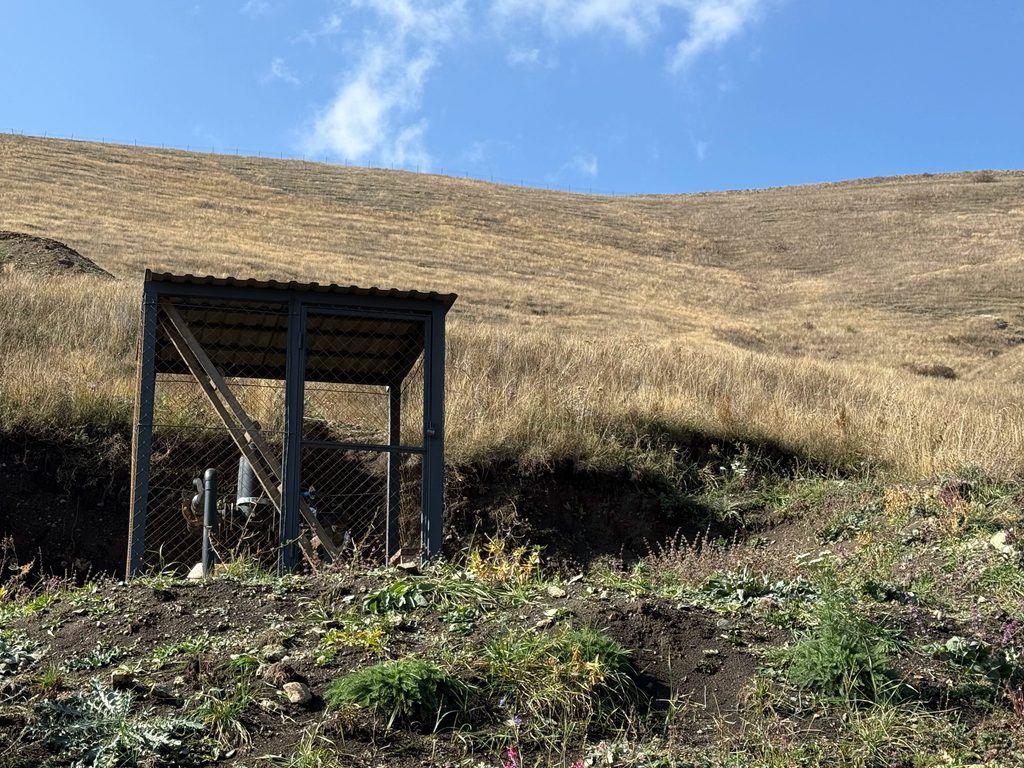
As we walked along a path overlooking the mountains, Dr. Minassian pointed to an apple orchard situated on the higher slopes of the mountains and explained that, due to the cold, it was never previously possible to plant apples this high up. However, now, as the climate shifts, so do the species that people plant.
Contrary to what one might think, this is not a positive development. Along with warmer temperatures and the possibility of planting fruit trees in new places come stronger droughts, floods, and landslides. These new climate hazards have urged Dr. Minassian and farmers to look into natural ways to cultivate agriculture that would alleviate the strain these hazards bring.
Drought-resistant trees and trees that hold the soil in place during extreme floods further convince farmers that agroforestry is the way to go.
Dr. Gesenhues agrees that agroforestry can play a “crucial role” in addressing climate change: “Because agroforestry keeps water in the land.”
In fact, in Germany, there was less rain in the period from the beginning of February to mid-April 2025 than at any other time in the past 100 years.
“The farmers in Germany, they see that due to climate change and biodiversity loss, there’s less and less water on their fields, or if there is water, there is way too much water,” says Dr. Gesenhues.
Agroforestry keeps water in the soil and decreases runoff. Dr. Gesenhues notes that this function has even increased interest in agroforestry among more conventional farmers (those who usually do not rely on natural solutions) in Germany:
“…even the conventional ones (farmers), when it comes to water management, they are very open-minded.”
The general skepticism that can be beat by communicating the benefits
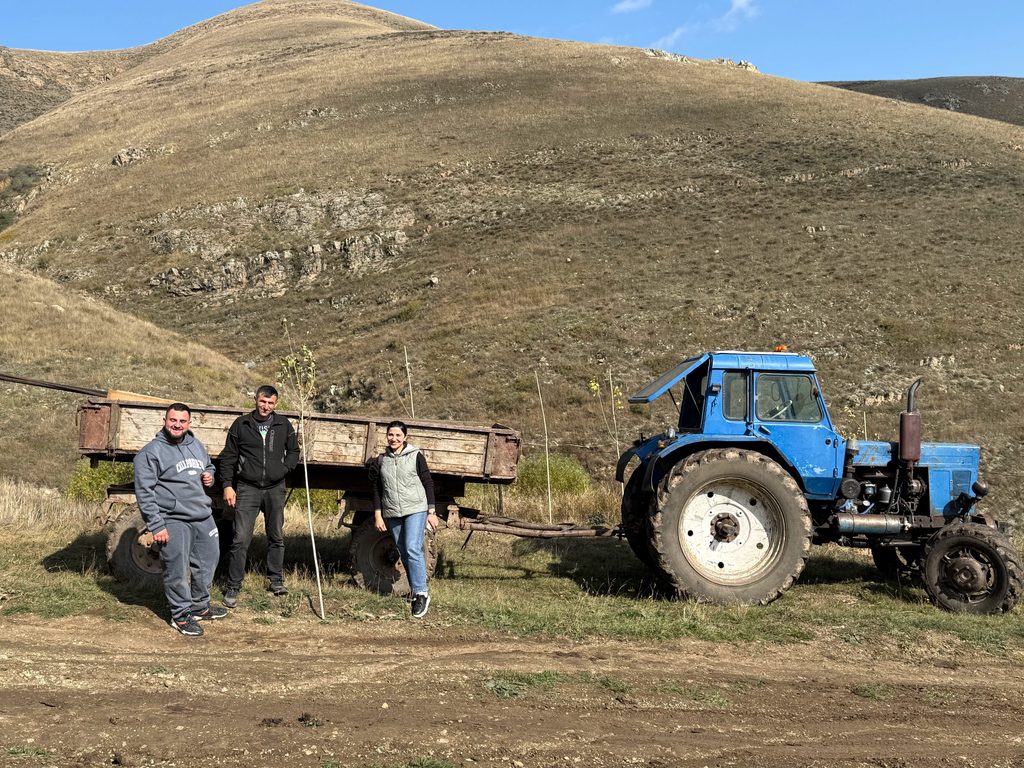
When asked how one can convince farmers to join agroforestry projects, Dr. Minassian laughed: “Perfect question. We say please count your income in the year of 2027.”
He explains that he conducts conversations with farmers to identify what they can grow next to the trees. At the site we visited, the farmers were particularly excited to plant asparagus, as it is a “cash crop.” The trees, planted on a mountain slope, provide sufficient windbreaks and protect the land against landslides, making it a perfect place to plant these very high-value crops.
Agroforestry increases crop yields and gives farmers an opportunity to benefit both from the fruit trees and from the higher-quality planting ground.
Pollinators, pollinators, and more pollinators, please!
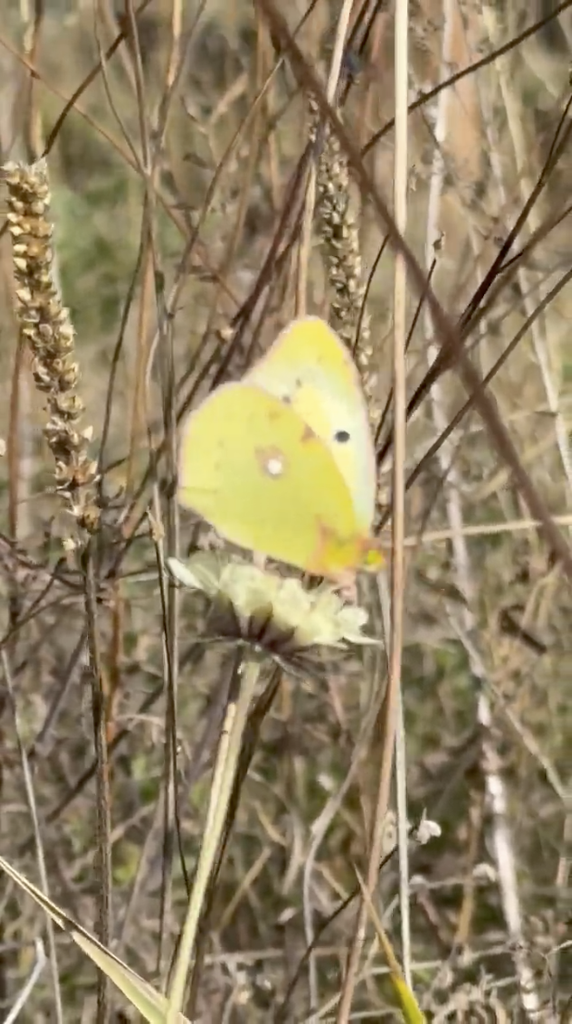
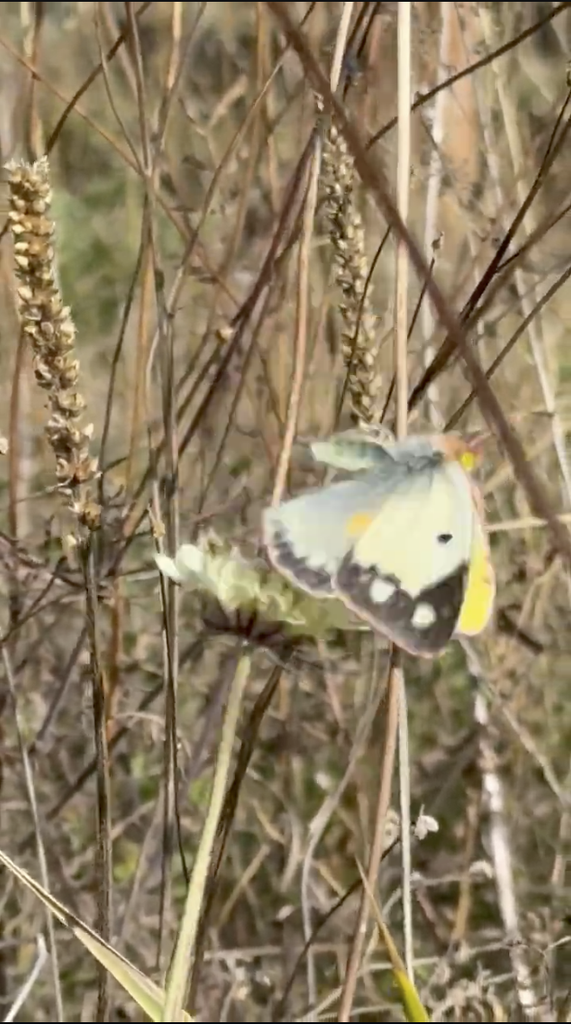
An obvious prize of forest restoration could be clearly heard at the restoration site. We heard it through the silent buzz of insects and saw it in the presence of little friends that jumped and landed on our legs as we walked through the restoration site: the pollinators.
The restoration team pointed out that, beyond planting trees, they are also planning to create a small lavender field in the middle of the land to attract more pollinators and give natural regeneration a chance.
From our own observations at restoration sites around the world, naturally regenerated forests have been more resilient. They have better chances of survival during forest fires and other natural risks. And forests can only regenerate naturally with as many pollinators as possible.
For a biodiverse forest, we need biodiverse ways of restoration and conservation. We were happy to see that our smallest friends were being catered to.
The future of sustainable agriculture
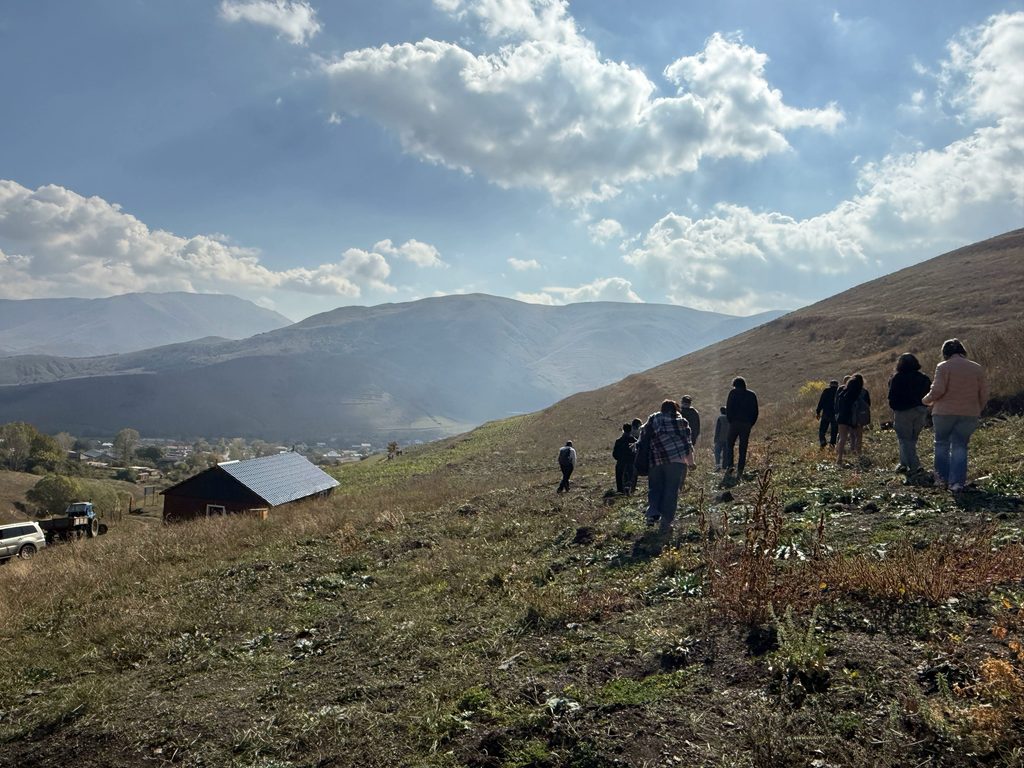
The future relies on further advocacy and support for small farmers within the agricultural industry and the biodiversity and climate policy spheres. We are now at CBD COP 17, where the voices of Indigenous Peoples and Local Communities are bringing valuable experience and expertise, as well as new challenges that must be addressed by governments now.
Dr. Gesenhues brought an invaluable perspective from the German government, which does actually want these smallholders to succeed. However, we must still consciously and intentionally give space for local communities to express their needs in the face of harsher climate realities and support them in transitioning to more sustainable methods.
Identifying legal barriers in land use and forest conservation, and pushing for new biodiversity initiatives, can only be accomplished together. Though this organisation is grassroots and led by farmers from a small town in Armenia, it has advocated for forest conservation at the policy level. This shows that farmers and even the smallest actors in forest conservation belong at the decision-making table.
- 10.26.26
How Agroforestry Can Be a Win-Win-Win for Nature, Biodiversity, and Communities
During CBD COP 17 in Armenia, we visited an agroforestry project led by Shen NGO to explore how supporting small farmers, working with nature,… 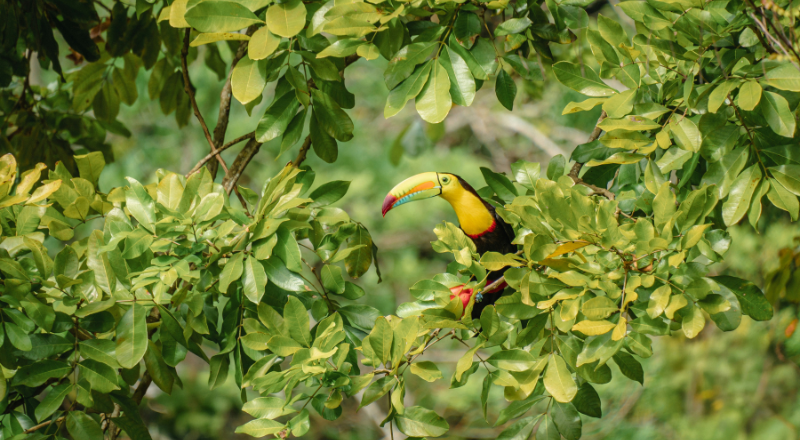 10.13.26
CBD COP 17 Explained: What the UN Biodiversity Summit Means for Nature
When most people hear the word “COP,” their minds immediately jump to the famous climate conference, the massive UN summits where world leaders, diplomats,… 10.13.26
The Cali Fund: Companies Can Help Protect Global Biodiversity
Every day, we use products that rely on nature in ways we may not even realise. Skincare and cosmetics, medicines and even the food…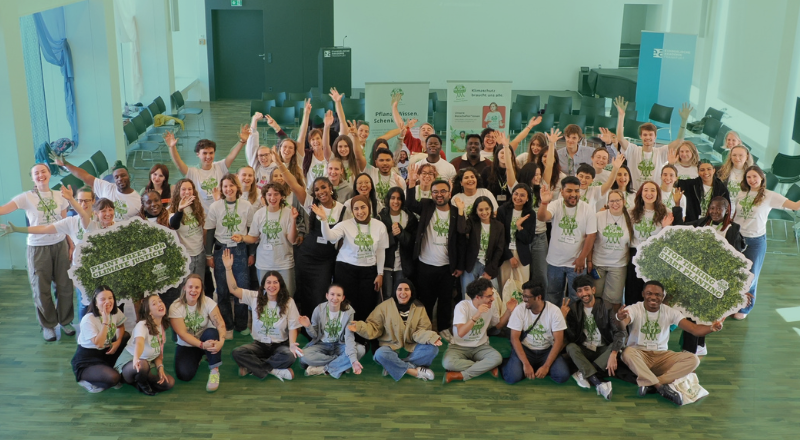 10.05.26
Youth Summit 2026: Stronger together for climate, community and democracy
Centered around the theme “Stronger together: climate, community, democracy”, around 60 participants from more than 15 countries representing 6 continents came together this year… 09.28.26
Brazil’s 2026 Election: What Does It Mean for the Future of the Amazon?
Brazil’s presidential election in October 2026 could have far-reaching consequences for the future of the Amazon rainforest. With almost two-thirds of the Amazon located… 09.22.26
Climate Myths from the Comment Section
As early as 1912, it was publicly reported that the increasing burning of fossil fuels could alter the concentration of greenhouse gases in the…


