

November 12, 2026

Frieda Binnig
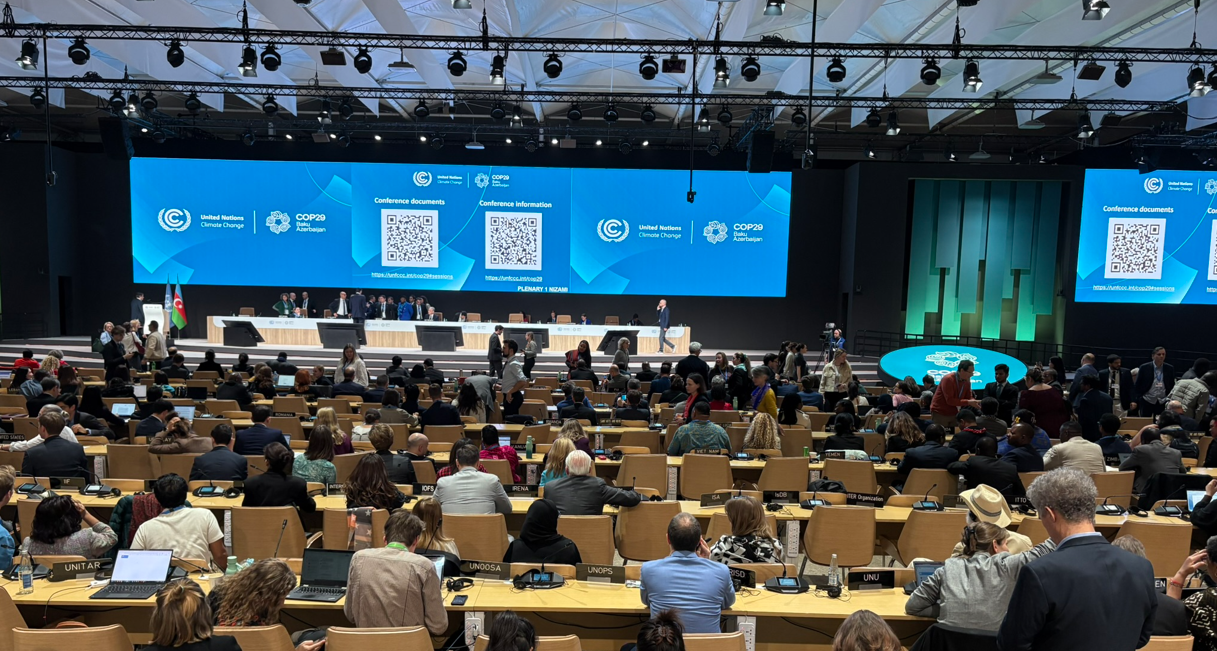
From 9 to 20 November, the 31st UN Climate Change Conference (COP 31) is taking place in Antalya, Türkiye. Governments from around the world are meeting to negotiate international climate targets, climate finance and the transition to clean energy. They are also reviewing progress towards commitments made at previous conferences. This process has been underway since 1995 – more than 30 years ago.
With heatwaves, droughts and devastating wildfires becoming increasingly common, one question is more relevant than ever: what have all these climate conferences actually achieved?
Imagine a world without UN Climate Conferences: a world where almost 200 countries do not come together regularly to negotiate shared climate goals, review progress and develop international solutions.
What would that world look like today?
1. The world would probably be much hotter
When the Paris Agreement was adopted in 2015, the world was on track for global warming of around 3–3.5°C by 2100.
Where do things stand today?
According to the UN Environment Programme’s (UNEP) latest Emissions Gap Report 2026, the world would warm by around 2.6°C if all current national climate pledges were fully implemented.
That is still far too much. But the progress shows that international climate targets, political action and technological advances can make a difference.
It is important to note that this improvement cannot be attributed to the COPs alone. However, the climate conferences – and the Paris Agreement in particular – have established a shared political framework that makes more ambitious climate action possible.
2. There would be no Paris Agreement
The Paris Agreement of 2015 was a historic breakthrough. For the first time, almost every country in the world agreed on a common framework to address the Climate Crisis.
Its central goals are to:
- Keep global warming well below 2°C.
- Pursue efforts to limit global warming to 1.5°C.
- Regularly review national climate targets and make them more ambitious.
All countries are part of the agreement. They commit to setting their own climate targets, reporting regularly on their progress and stepping up their efforts over time.
Without the negotiations at COP 21 in Paris, this almost universal framework for international climate targets and shared progress reviews would not exist.
Back in 1997, the Kyoto Protocol – considered the predecessor to the Paris Agreement – established legally binding emissions reduction targets for industrialised countries. The Paris Agreement went a step further by bringing almost all countries into a common climate framework for the first time.
3. The Climate Crisis would probably still be seen as a purely national issue
The 1992 Earth Summit in Rio de Janeiro was an important milestone in international cooperation. It was there that the United Nations Framework Convention on Climate Change (UNFCCC) was opened for signature, laying the foundations for international climate policy.
Since then, negotiations have led to several important mechanisms and agreements:
- Climate finance: International funding mechanisms and commitments help countries in the Global South reduce emissions, adapt to the impacts of the Climate Crisis and address climate-related loss and damage.
- Loss and Damage: The recognition that countries hardest hit by the impacts of climate change need support for damage they can neither prevent nor manage through adaptation measures. At COP 27 in Egypt in 2022, countries agreed to establish a dedicated fund: the Fund for Responding to Loss and Damage. COP 28 then established the arrangements needed to put it into operation.
- Transparency: Shared frameworks require countries to disclose their emissions, document progress and make their climate commitments transparent.
- Climate adaptation: International climate policy increasingly recognises that preparing for unavoidable climate impacts is just as important as reducing emissions.
These mechanisms are far from perfect. They are often underfunded and implementation is frequently too slow. But without the annual climate conferences, there would be far fewer international structures for addressing these challenges together.
4. Moving away from fossil fuels would be even less concrete
At COP 28 in Dubai in 2023, all participating countries agreed for the first time to explicitly call for a transition away from fossil fuels.
This was a significant political milestone. For the first time, fossil fuels such as coal, oil and gas were explicitly addressed in this way in a joint COP outcome document.
However, this political agreement has yet to translate into a binding international phase-out plan with specific national deadlines.
Nevertheless, several developments have taken place since 2023:
- COP 30 (2025): More than 80 countries called for a concrete roadmap to phase out fossil fuels. However, the proposal did not make it into the official final agreement.
- Santa Marta (2026): In April, 57 countries met in Colombia to discuss concrete pathways for a just transition away from coal, oil and gas.
- Roadmap for Transitioning Away from Fossil Fuels in Energy Systems (2026): On 3 November, Brazil, the host country of COP 30, published an international roadmap for the transition away from fossil fuels. It is intended to guide countries in developing concrete measures
The roadmap is voluntary and not legally binding. Nevertheless, it shows that phasing out fossil fuels is increasingly becoming a focus of concrete international cooperation.
International negotiations create space to collectively challenge the status quo, develop political solutions and accelerate the transition to renewable energy.
5. It would be much harder to hold governments accountable
The COPs bring together not only almost every country in the world, but also scientists, Indigenous communities, civil society organisations, young people, businesses and many other stakeholders.
The conferences provide something that individual national climate policies cannot achieve on their own: regular opportunities to compare progress, expose shortcomings, negotiate solutions and call for more ambitious action.
The Paris Agreement, for example, requires countries to report regularly on their emissions and progress towards their climate targets. This information is reviewed internationally, making both progress and failures more visible.
The COPs cannot guarantee that governments will keep their promises. But they create a political process in which governments must explain their actions – both to one another and to the global public.
This is why climate conferences are particularly important for civil society. They provide a platform to challenge governments, push them to honour their commitments and scrutinise political decisions.
6. The voices of the countries most affected would be heard less
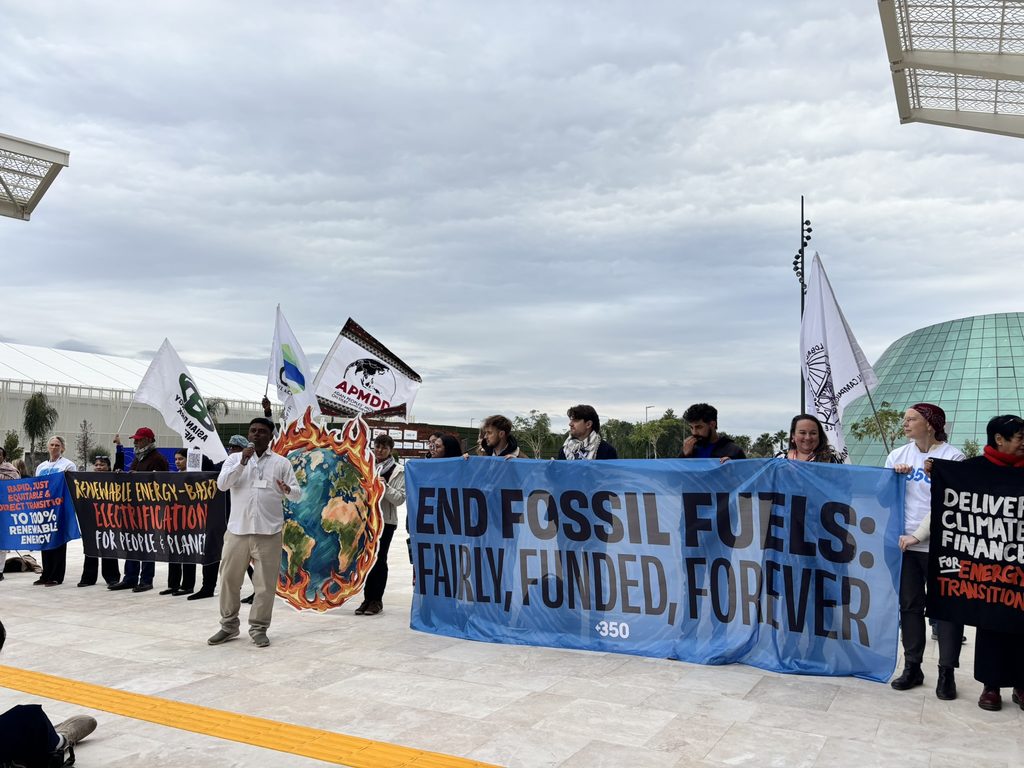
The countries suffering the most from the impacts of the Climate Crisis are often those that have contributed the least to causing it. The COPs give them an important platform to bring their experiences, needs and demands to the international stage. For small island states and particularly vulnerable countries, the negotiations are an opportunity to influence international decisions and demand Climate Justice.
Without the COPs, these countries would have far fewer opportunities to ensure their interests are reflected in international climate action and to call for support with climate adaptation and addressing Loss and Damage.
Power imbalances also exist within COP negotiations. But without this shared negotiating space, the voices most in need of being heard would be even easier to overlook.
Progress is falling far short of what is needed
UN Climate Conferences are both necessary and important. But the progress made so far is nowhere near enough to tackle the Climate Crisis.
Global greenhouse gas emissions are still rising year after year.
The production and use of fossil fuels remain far too high.
Climate finance is insufficient to meet the needs of countries in the Global South.
Countries continue to make commitments they subsequently fail to honour.
The 1.5°C target is likely to be temporarily exceeded.
UNEP’s Emissions Gap Report 2026 highlights just how wide the gap remains between political commitments and what is actually needed. To return to a pathway towards 1.5°C by the end of the century after a temporary overshoot, global greenhouse gas emissions would need to fall by 18% by 2030, 45% by 2035 and 69% by 2040, compared with 2025 levels.
However, even if all current national climate pledges were fully implemented, emissions would only fall by 5–8% by 2030. The world would therefore still be on track for around 2.6°C of global warming. At the same time, the report shows that climate action works: it is already delivering measurable emissions reductions and can be scaled up worldwide.
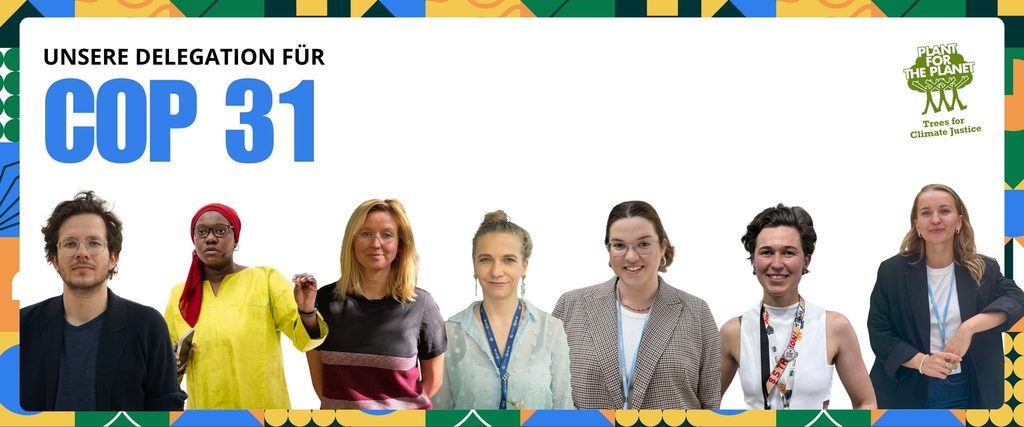
This is exactly why we send a delegation to the UN Climate Conference every year: to make sure the voices of young people and civil society are heard, actively shape political processes and remind governments of the promises they have made. Climate action must not be left solely to those sitting at the negotiating table. It also needs the voices of those whose future is at stake. Find out more about our participation at COP 31 here.
Want to know what UNFCCC stands for, what COP means, what the Paris Agreement is and who gets access to the Blue and Green Zones? Find out in our COP explainer.
- 11.12.26
UN Climate Conferences: What Have COPs Actually Achieved?
From 9 to 20 November, the 31st UN Climate Change Conference (COP 31) is taking place in Antalya, Türkiye. Governments from around the world…  11.03.26
COP 31 in Antalya: What Are the Key Issues on the Agenda?
The Climate Crisis affects almost every aspect of our lives. It threatens human health, puts food security at risk and poses growing challenges for… 10.27.26
COP 31 Explained: Key Terms You Need to Know About the UN Climate Conference
Every year, representatives from governments, science, business and civil society come together at the UN Climate Conference. This year, COP 31 will take place… 10.26.26
How Agroforestry Can Be a Win-Win-Win for Nature, Biodiversity, and Communities
During CBD COP 17 in Armenia, we visited an agroforestry project led by Shen NGO to explore how supporting small farmers, working with nature,… 10.13.26
CBD COP 17 Explained: What the UN Biodiversity Summit Means for Nature
When most people hear the word “COP,” their minds immediately jump to the famous climate conference, the massive UN summits where world leaders, diplomats,… 10.13.26
The Cali Fund: Companies Can Help Protect Global Biodiversity
Every day, we use products that rely on nature in ways we may not even realise. Skincare and cosmetics, medicines and even the food…


