

August 26, 2026

Tamara Cibulkova
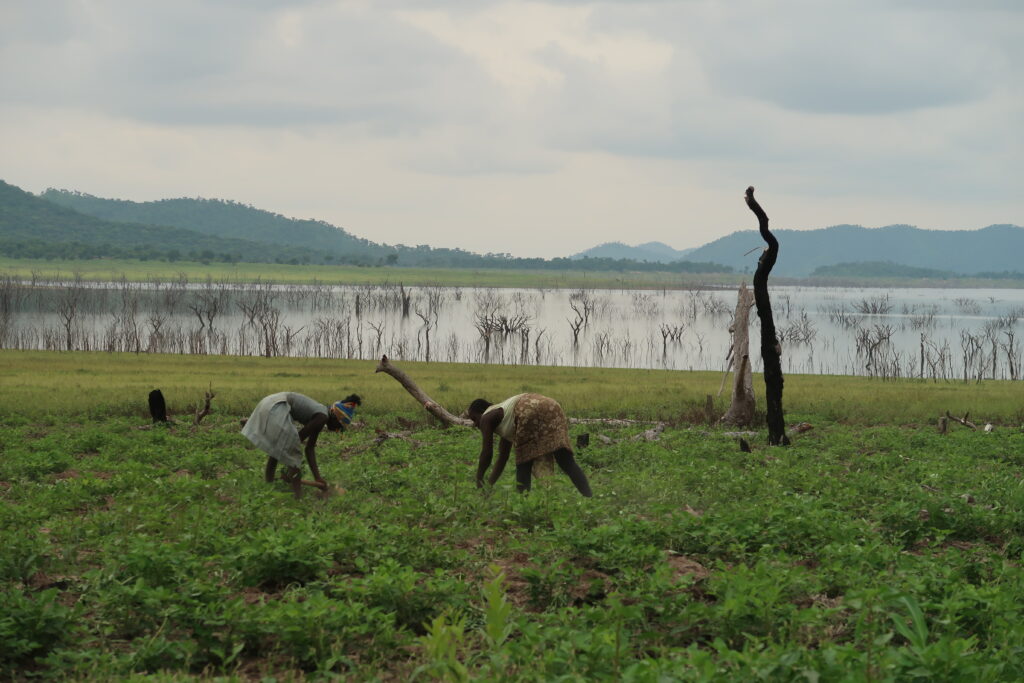
Restoration works best when it happens together with local communities. In many regions, people live in close proximity to ecosystems in need of recovery, making their involvement vital to the long-term success of any restoration initiative. Because farmers depend directly on their land for their daily livelihoods, restoration efforts must work with them, not around them. Through community-led agroforestry, ecological restoration integrates into everyday agricultural life, ensuring that environmental goals align directly with local economic and social needs. This practical alignment between nature and agriculture is what makes agroforestry a powerful tool on the ground, and it sits right at the heart of our Plant-for-Ghana project, where the Banpewa community is at the center of the restoration of their home landscape.
What Agroforestry Means for Ecological Restoration
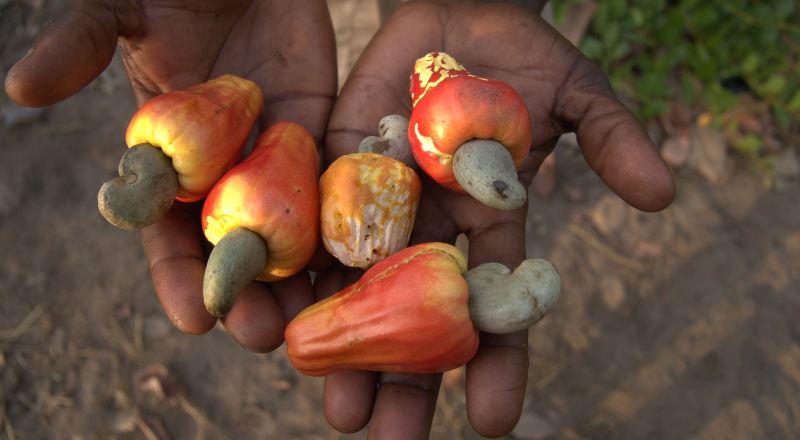
At its core, agroforestry is about integrating trees into farms to create a balance between nature and agriculture. The Food and Agriculture Organization (FAO) defines it as a land-use system where woody perennials are deliberately grown alongside crops or livestock to spark positive ecological and economic interactions. As Plant-for-the-Planet’s Restoration Ecologist Dr. Anna Gee puts it simply, “Agroforestry means any system where trees are incorporated into productive agricultural land.” Because agroforestry covers such a broad spectrum, every system is tailored to its local landscape. While some approaches plant high-density crops and trees directly on farmland, others rely on “parkland agroforestry.” In this model, high-value tree crops like Shea or Cashew, are spaced out across common land rather than tightly cultivated.
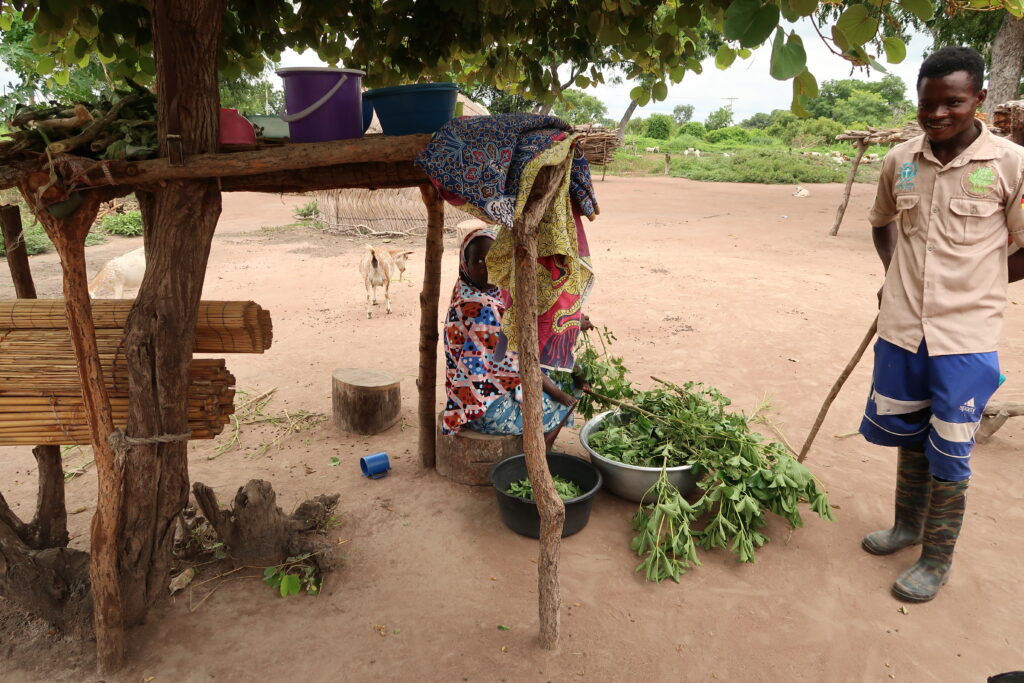
Trees have always been vital to local communities, offering steady benefits and preserving a deep, enduring connection to natural resources. For generations, families have depended on local trees and plants for everyday needs like food, traditional medicines, firewood, building materials, and shade during hot seasons. By weaving native species directly into active farmland, we can help restore the surrounding landscape and increase tree cover, all without asking farmers to compromise their livelihoods or give up their land. Those interactions create benefits for both nature and the farmers.
How Agroforestry Benefits Local Farming Communities
In well-managed systems, integrating trees brings vital ecological and financial strength to farming families. Dr. Anna Gee highlights that “well-managed agroforestry systems can diversify sources of income, improve soil fertility, reduce soil erosion, improve pollination, and reduce moisture loss.” For shade-dependent crops like cocoa and coffee, the canopy even helps crop yields increase directly under the shade of trees. In the long-term, restoring degraded landscapes through agroforestry builds community resilience against shocks like drought and food scarcity, which are becoming more frequent due to the climate crisis.
Our Focus on Agroforestry at Plant-for-Ghana
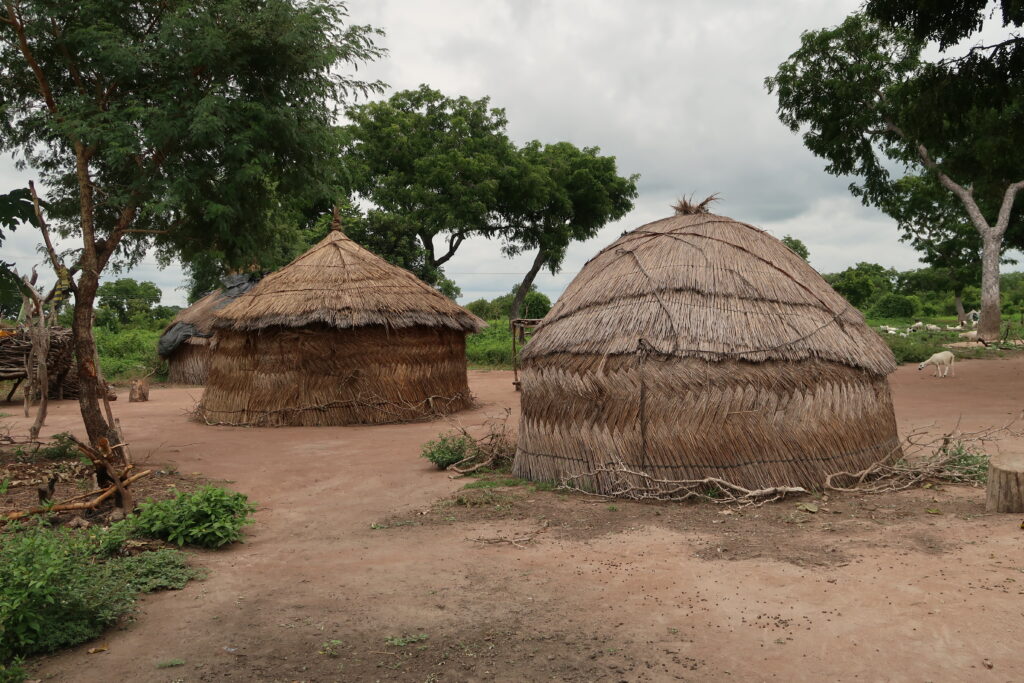
This collaborative approach drives our work at Plant-for-Ghana. Our 1,000-hectare restoration site is centered in Banpewa, a village of around 600 people in northern Ghana. Community elders recall a time when dense tree cover supported local wildlife, a memory that inspires our shared efforts today. Our team manages the restoration site to bring back this native ecosystem, but additionally, here, we also rely on parkland agroforestry, when high-value tree species, like Shea, are spaced out across the planting site, so community members can freely collect the nuts in the future. Meanwhile, Cashews are planted at higher densities closer to the village edge, creating an accessible, high-yield buffer zone for the community.
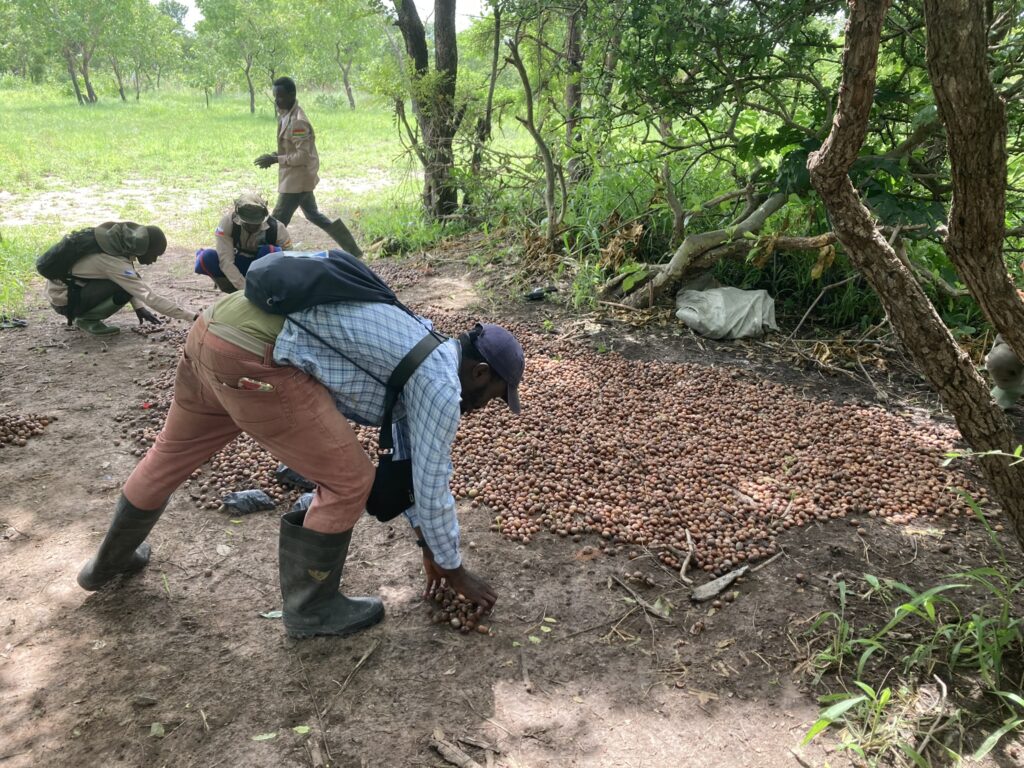
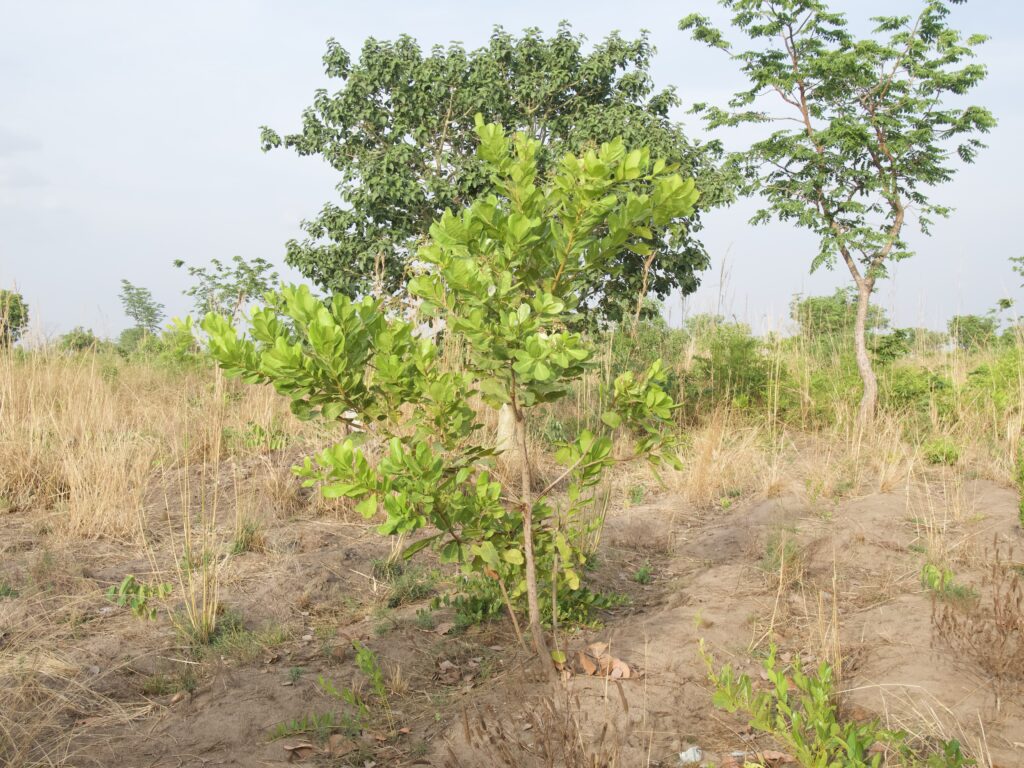
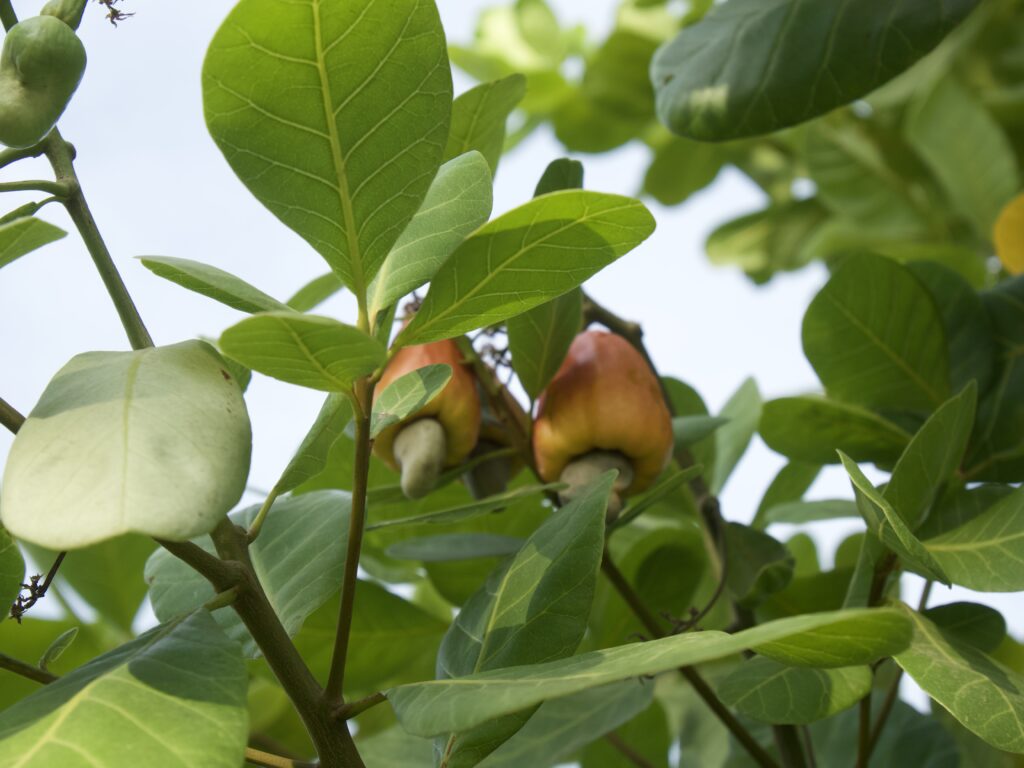
Beyond the restoration grounds, we provide native tree species that offer cash crops, food, or animal fodder directly to farmers free of charge. “We surveyed local farms and found that there was a lot of demand for trees, and based our tree production in the nursery on the species requests from farmers,” explains Dr. Anna Gee. “The goal is to increase tree cover across the landscape, including on farms, rather than just plant on our restoration sites.”
Making these agricultural shifts requires deep empathy for the everyday realities of farmers. “A lot of the farmers we work with are very dependent on their farms for their livelihoods, so adopting new practices represents a significant risk for them,” notes Dr. Gee. “Because of this, we don’t ask them to convert their entire farm in one go, but instead to trial new practices on a small part of the farm and gradually expand at the pace that works for them.”
Tree Spotlight: Faidherbia albida
In the region where the Plant-for-Ghana project is located, suitable commonly planted cash and food crop trees include Shea, Baobab, Tamarind, Cashew, and Mango. But one species stands out for its unique ecological features. “One agroforestry species that is really interesting is called Faidherbia albida, known commonly as the apple-ring tree,” shares Dr. Gee. “This tree fixes nitrogen, therefore improving soil fertility, and also provides fodder. However, the most important feature of this species is what is called ‘reverse phenology.’”
Most deciduous trees have leaves when there is rain and lose their leaves in the dry season, but F. albida does the opposite. It has leaves during the dry season and drops them during the rainy season. This means it shades crops during the driest part of the year, helping to reduce water loss through evaporation, but during the rainy season, it doesn’t create any shade, allowing the crops underneath plenty of light to grow quickly. Plus, the leaves it sheds during the rainy season act as a natural compost, providing additional nutrients to the crops. By keeping crops shaded and soil moisture protected during increasingly erratic dry seasons, F. albida acts as a natural buffer against climate uncertainty for local farmers!
Creating Value with Local Processing
While integrating trees through agroforestry strengthens farm resilience, widespread adoption ultimately depends on an enabling policy environment that protects land rights, incentivizes farmers, and supports local markets. In Banpewa, we bridge these conditions with practical economic solutions by linking agroforestry production directly to added value. Recently, an oil press machine was provided, and the community can process local crops like cashews and peanuts right in the village. This combined approach creates local jobs, boosts incomes, and reduces economic pressure on natural forests, ensuring that community-led restoration thrives in the long run.
→ You can support the work of Plant-for-Ghana here.
 10.05.26
Youth Summit 2026: Stronger together for climate, community and democracy
Centered around the theme “Stronger together: climate, community, democracy”, around 60 participants from more than 15 countries representing 6 continents came together this year… 09.28.26
Brazil’s 2026 Election: What Does It Mean for the Future of the Amazon?
Brazil’s presidential election in October 2026 could have far-reaching consequences for the future of the Amazon rainforest. With almost two-thirds of the Amazon located… 09.22.26
Climate Myths from the Comment Section
As early as 1912, it was publicly reported that the increasing burning of fossil fuels could alter the concentration of greenhouse gases in the… 09.15.26
Together, We Can Achieve More: Key Takeaways from the F20 Climate Solutions Forum 2026
Political space for action is shrinking, international consensus on climate action is becoming increasingly fragile, and geopolitical tensions are on the rise. At the… 09.03.26
Why Climate Education for Children Starts with One Mentor or One Academy.
A regular, floody day in The Gambia. It is 9 am on a September Tuesday on the “Smiling Coast of Africa”. The dry season…- 08.26.26
Restoring Landscapes: The Power of Agroforestry in Ghana
Restoration works best when it happens together with local communities. In many regions, people live in close proximity to ecosystems in need of recovery,…


