

September 15, 2026

Frieda Binnig
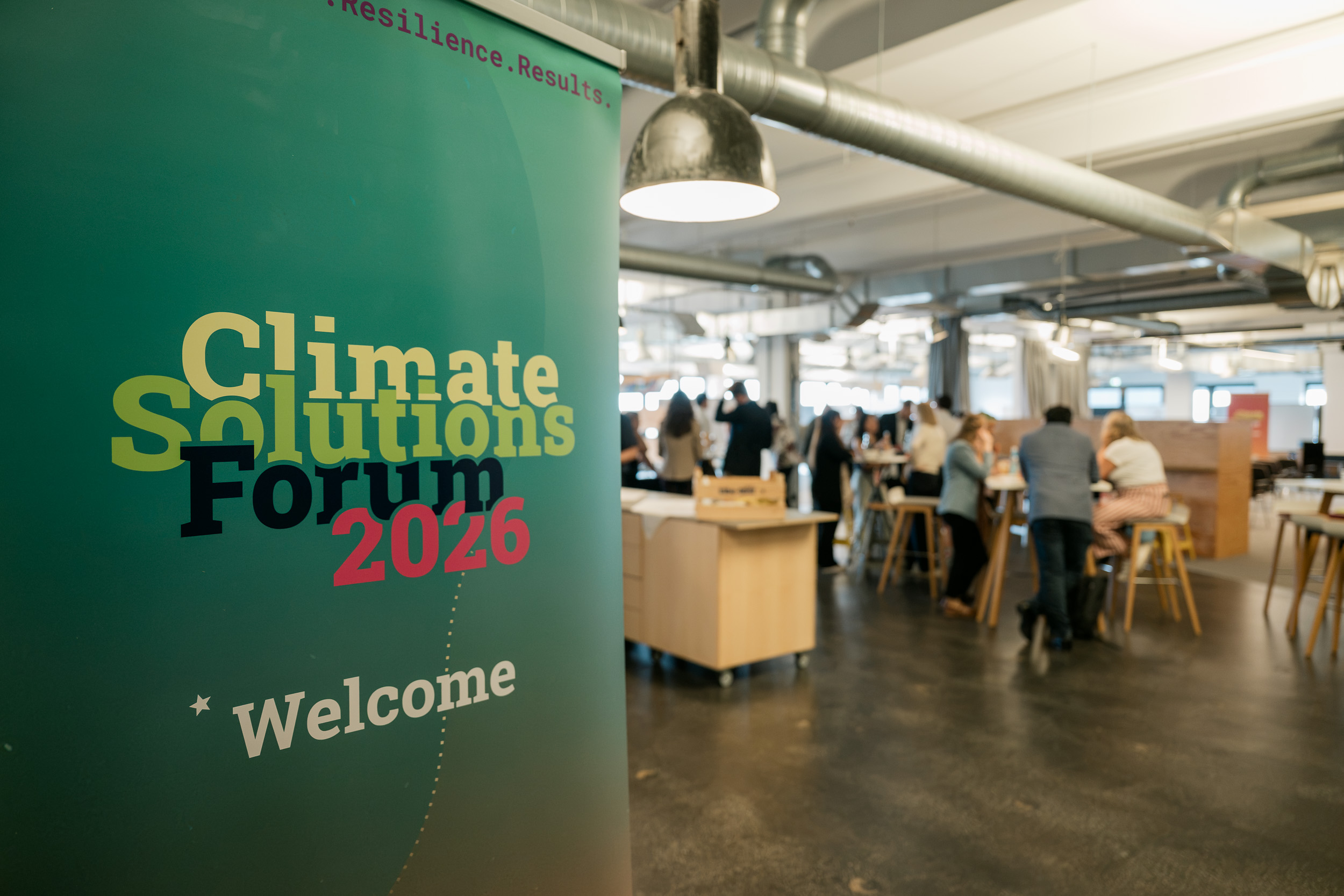
Political space for action is shrinking, international consensus on climate action is becoming increasingly fragile, and geopolitical tensions are on the rise. At the same time, we are seeing more clearly than ever how the Climate Crisis is already affecting people and communities around the world. Against this backdrop, the theme of this year’s Climate Solutions Forum, Relationships. Resilience. Results., could hardly be more timely.
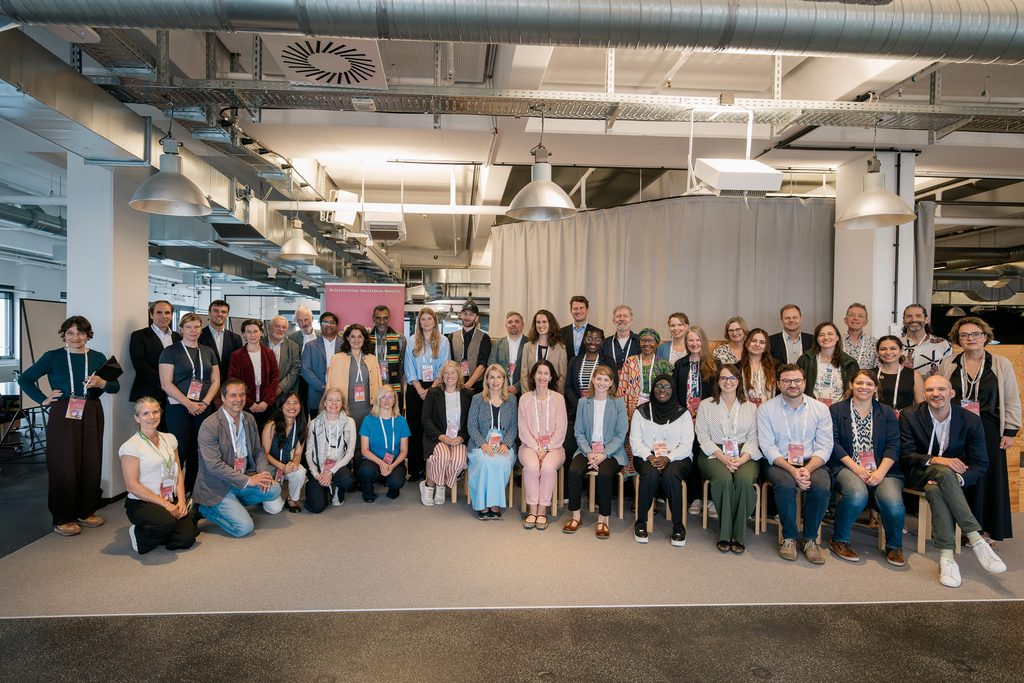
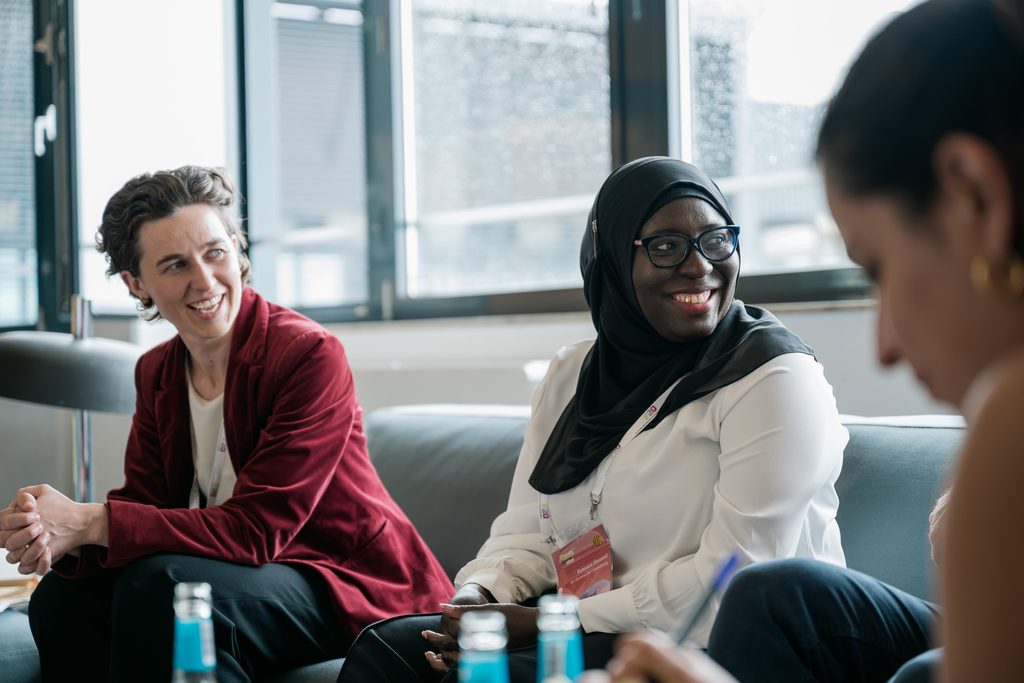
At the F20 Climate Solutions Forum in Hamburg, representatives from civil society, foundations and international organisations came together to explore how we can strengthen cooperation, build resilience and turn dialogue into concrete policy recommendations – even in challenging circumstances.
Why collaboration matters now more than ever
The challenges we face cannot be solved alone. The Climate Crisis, biodiversity loss, social inequality and global security risks are interconnected – and they do not stop at national borders.
At the same time, international cooperation is changing. Geopolitical tensions, technological transformation and a weakened multilateral system are making joint solutions more difficult. This makes spaces where different perspectives can come together, trust can grow and new alliances can emerge all the more important.
The F20 Climate Solutions Forum is one such space. The F20 Foundations Platform brings together more than 80 foundations and philanthropic organisations from around the world and works to align G20 policies more closely with the goals of the Paris Agreement and the Sustainable Development Goals.
Relationships: Building connections as the foundation for change
In an age of growing polarisation and disinformation, personal encounters are key to positive change. They create opportunities for dialogue, foster an understanding of different perspectives and help reveal common interests.
The Climate Solutions Forum made clear that multilateral cooperation depends on more than institutional structures. It also needs people who are willing to stay in dialogue and work together across existing boundaries to develop common solutions.
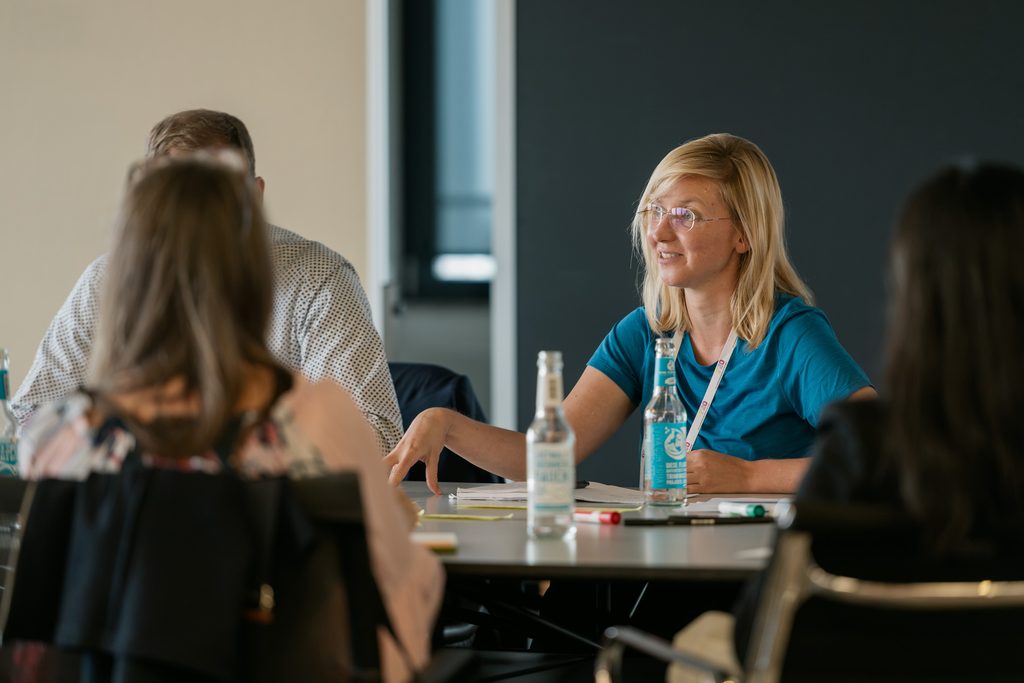
The different World Café sessions provided space for exactly this. They brought together a wide range of stakeholders to discuss issues ranging from climate finance and security to new forms of multilateral cooperation.
Resilience: Climate action is also a matter of security
Resilience does not simply mean withstanding crises. In the face of the Climate Crisis, societies and systems need to be strengthened so they can adapt to change while remaining capable of taking action.
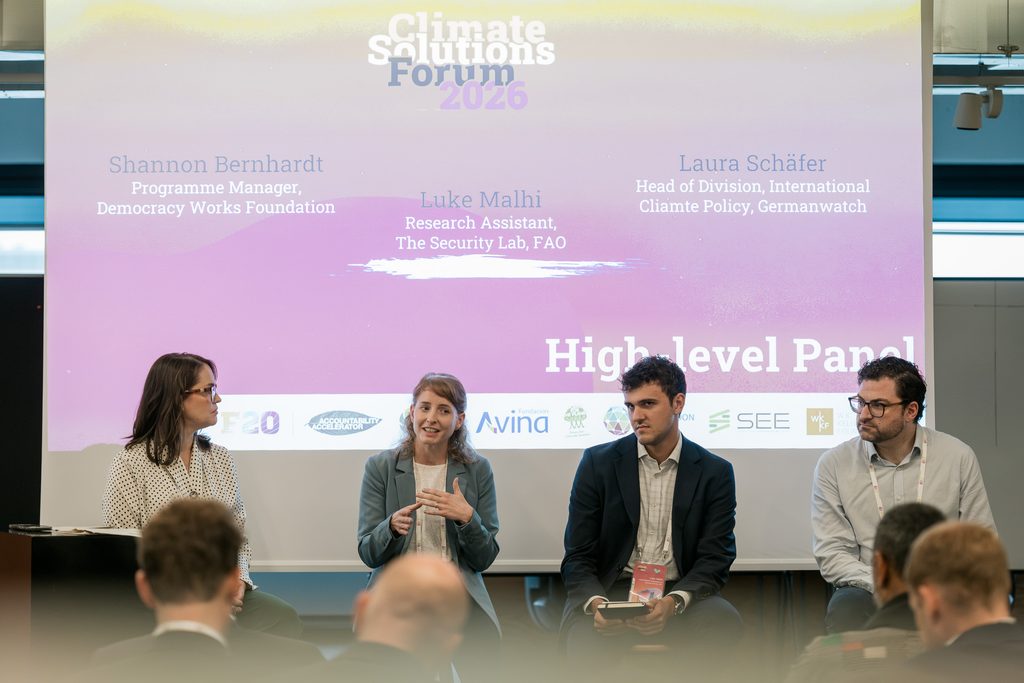
The panel discussion at the beginning of the Climate Solutions Forum therefore focused on the connection between climate action and security. The Climate Crisis has an intersectional impact: it can exacerbate existing social, economic and political conflicts.
The discussion highlighted that climate security is a shared responsibility. This also means connecting different risks and ensuring that climate finance reaches the people and local communities it can actually support.
Climate action, then, is about more than protecting the environment. It also contributes to more stable societies, greater security and a more just future.
Results: Turning dialogue into solutions
Relationships and resilience matter – but ultimately, they need to lead to results.
The Tropical Forest Forever Facility (TFFF) is one example. In a session organised by Plant-for-the-Planet, participants discussed how this innovative financing mechanism could help stop forest loss and provide the long-term funding urgently needed to protect forests.
Other sessions explored how financial resources can be better aligned with climate goals and what changes are needed in the asset management of foundations to make this possible. Transparency, capacity building and clear investment guidelines were central topics.
Because political goals can only achieve their purpose when they are backed by the necessary resources and concrete action.
Climate action is an intergenerational responsibility
The Climate Crisis presents us with a unique ethical challenge: many of the decisions being made today will determine the living conditions of people who are not yet able to participate in political decision-making themselves.
That is why we need not only long-term thinking, but also stronger youth participation – both in climate policy and in democratic processes. The closing discussion made clear that intergenerational justice is not simply about taking responsibility for young people. Young people must also have the opportunity to shape their own future – an approach that Plant-for-the-Planet has championed from the very beginning.
What we can achieve together
We cannot control every global development. But we can decide how we respond to it. The F20 Climate Solutions Forum made clear that, in the face of these challenges, we must not allow ourselves to become paralysed. Instead, we can build new connections and work together to create more resilient structures.
The insights developed at the Hamburg Forum will first be carried forward to the next Climate Solutions Forum in Washington on 18 September. From there, the results will feed directly into the F20’s advocacy work, which will use them to develop policy recommendations for the G20 Summit in Miami in December.
Discover how Plant-for-the-Planet is working to drive political change and advance Climate Justice.
- 09.15.26
Together, We Can Achieve More: Key Takeaways from the F20 Climate Solutions Forum 2026
Political space for action is shrinking, international consensus on climate action is becoming increasingly fragile, and geopolitical tensions are on the rise. At the… 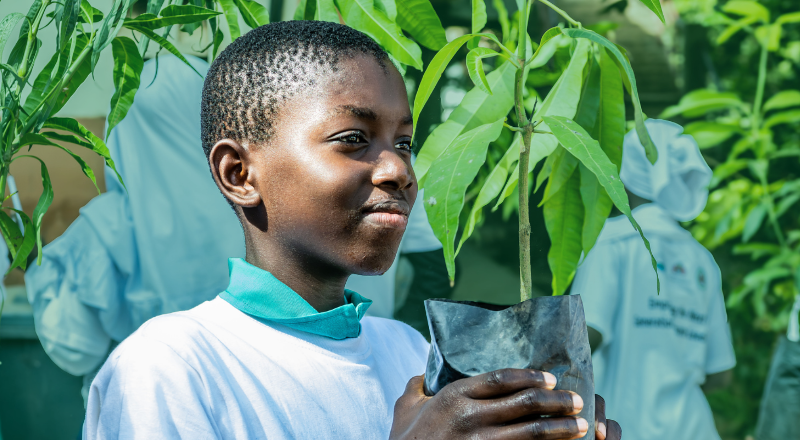 09.03.26
Why Climate Education for Children Starts with One Mentor or One Academy.
A regular, floody day in The Gambia. It is 9 am on a September Tuesday on the “Smiling Coast of Africa”. The dry season…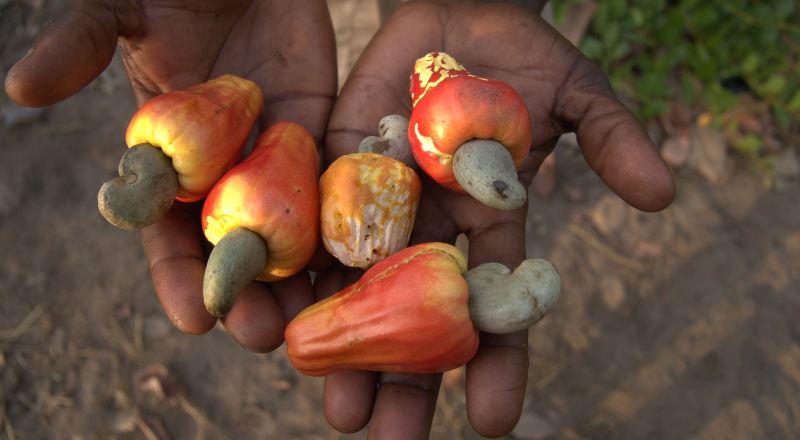 08.26.26
Restoring Landscapes: The Power of Agroforestry in Ghana
Restoration works best when it happens together with local communities. In many regions, people live in close proximity to ecosystems in need of recovery,…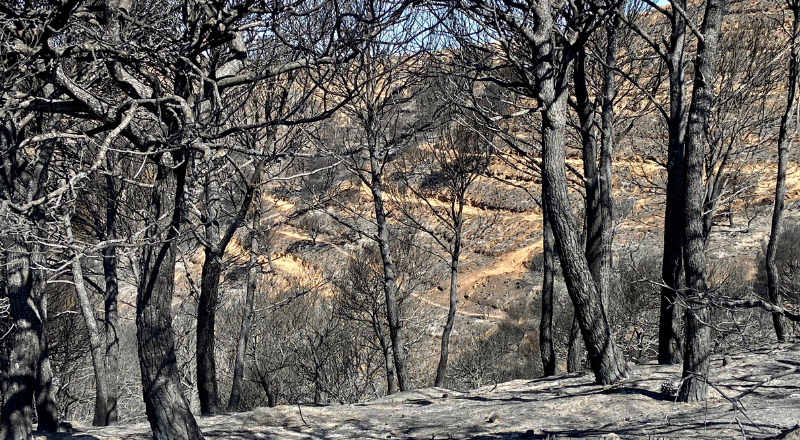 08.25.26
Wildfires, Climate Crisis and Forest Restoration: What Happens After the Fire?
The impacts of the climate crisis are becoming increasingly visible in the summer of 2026. Prolonged periods of heat and drought have contributed to… 08.21.26
One Community at a Time: Growing Youth-Led Climate Action in Nepal
Children and youth are disproportionately affected by the climate crisis, facing higher risks of disease, malnutrition, and displacement. Yet, as UNICEF’s Falling Short report… 08.20.26
Restoration in Spain: Bringing Nature Back to Life
Spain is one of the European countries most vulnerable to desertification and the impacts of the climate crisis. Soil degradation, increasingly frequent wildfires, and…


