

August 20, 2026

Plant-for-the-Planet
Spain is one of the European countries most vulnerable to desertification and the impacts of the climate crisis. Soil degradation, increasingly frequent wildfires, and urban expansion without sufficient green planning make a systemic response more urgent than ever.
Plant-for-the-Planet Spain works where the environmental crisis is particularly visible, where action is urgently needed, and where the impact of restoration can be measured. Since the restoration work began, more than 810,000 trees have been planted – equivalent to transforming an area the size of the city of Bilbao into a living forest. Together, these projects cover around 2,855 hectares, an area larger than 4,000 football fields.
As in Plant-for-the-Planet’s other restoration projects, the focus in Spain is not simply on planting trees. It is on restoring ecosystems: revitalizing forests, regenerating soils, supporting biodiversity, maintaining healthy water cycles, and creating green corridors that connect nature and urban areas.
Key restoration regions include:
- Doñana,
- Serra de Queralt,
- Los Alcornocales,
- Granada,
- Alcalá de Henares,
- and the Sierra Norte near Madrid.
Restoring Doñana: Protecting one of Europe’s most important wetlands
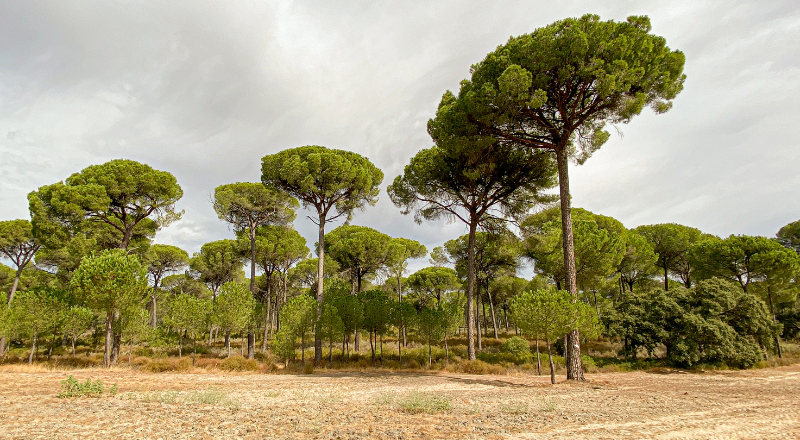
One of the most important restoration projects in Spain is located in the Doñana region in southern Spain. In 2017, a severe wildfire destroyed more than 9,000 hectares of pine forest in the Las Peñuelas area, in the heart of the Doñana region. Large areas of the ecosystem were severely damaged, leaving the forest in need of long-term recovery.
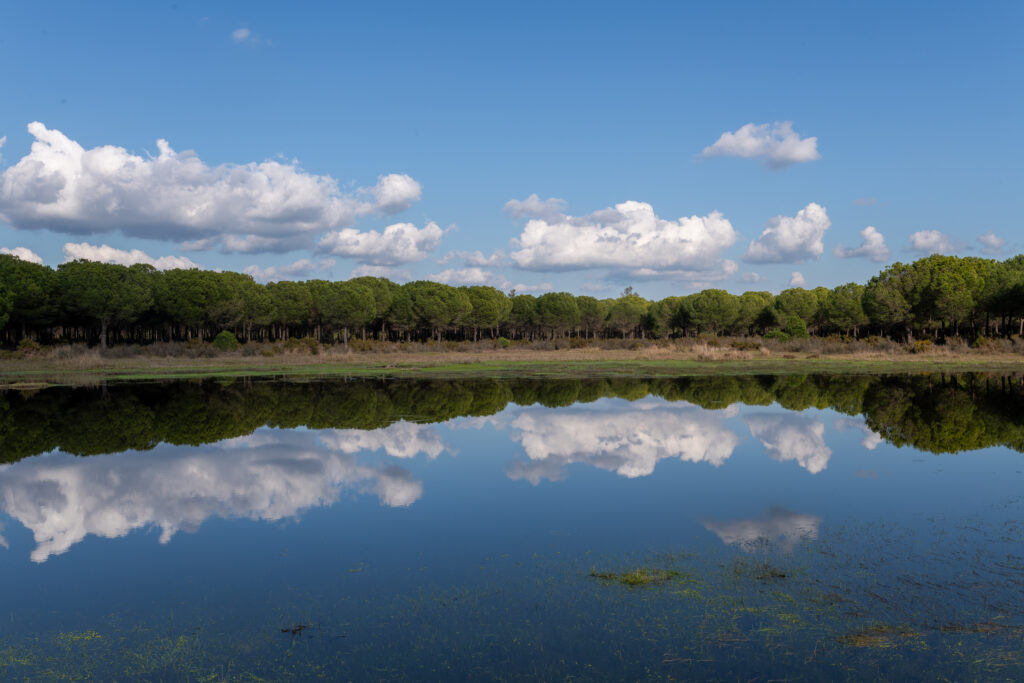
The Doñana Natural Park and its surrounding area are far more than just another Spanish nature reserve. They form one of Europe’s most important and strategically significant ecosystems. Doñana is one of the continent’s most important wetlands and one of the Mediterranean region’s largest biodiversity reserves. It is a UNESCO World Heritage Site and Biosphere Reserve and is home to more than 4,000 species of flora and fauna. Millions of migratory birds use the area as a crucial stopover on their journeys between Europe and Africa.
But Doñana’s importance goes beyond biodiversity. Its wetlands are a form of natural infrastructure: they store water, regulate floods, recharge groundwater, prevent erosion, and help stabilize the local climate.
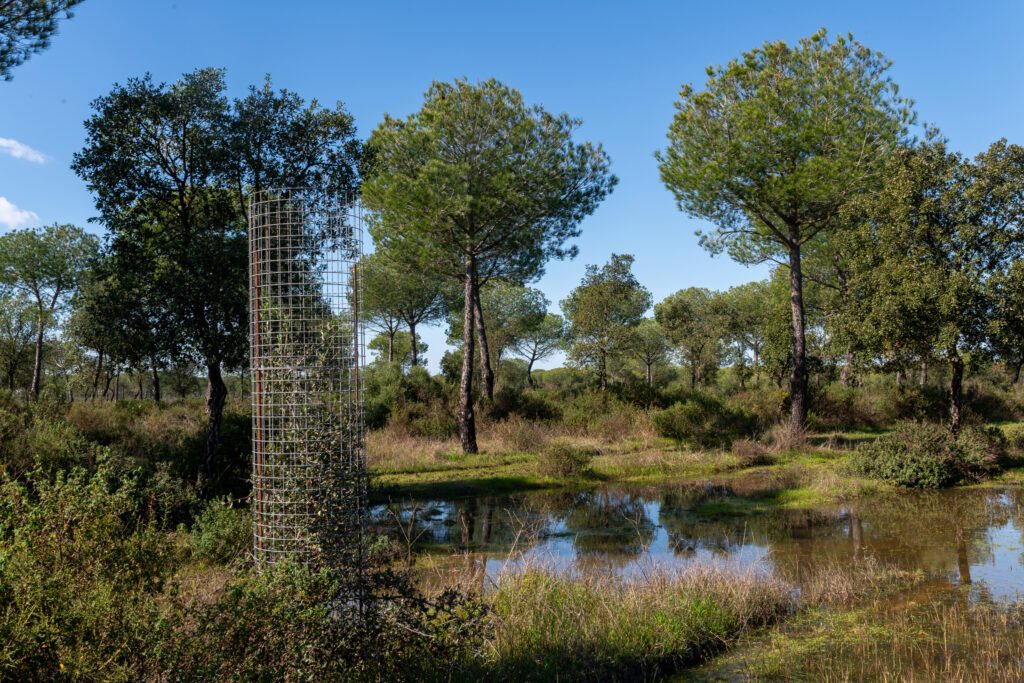
When wetlands deteriorate, the consequences reach far beyond the loss of individual species. Biodiversity declines, water stress increases, temperatures rise, and the risks of wildfires and desertification intensify. At the same time, opportunities for developing a sustainable local bioeconomy are reduced.
Today, the Doñana region faces an ongoing water conflict, driven in part by the intensification of agriculture against the backdrop of the climate crisis. Restoring forests and other natural ecosystems can help address these pressures by strengthening nature’s ability to provide essential ecosystem services.
Climate adaptation in practice: Green Belts bring nature back into cities
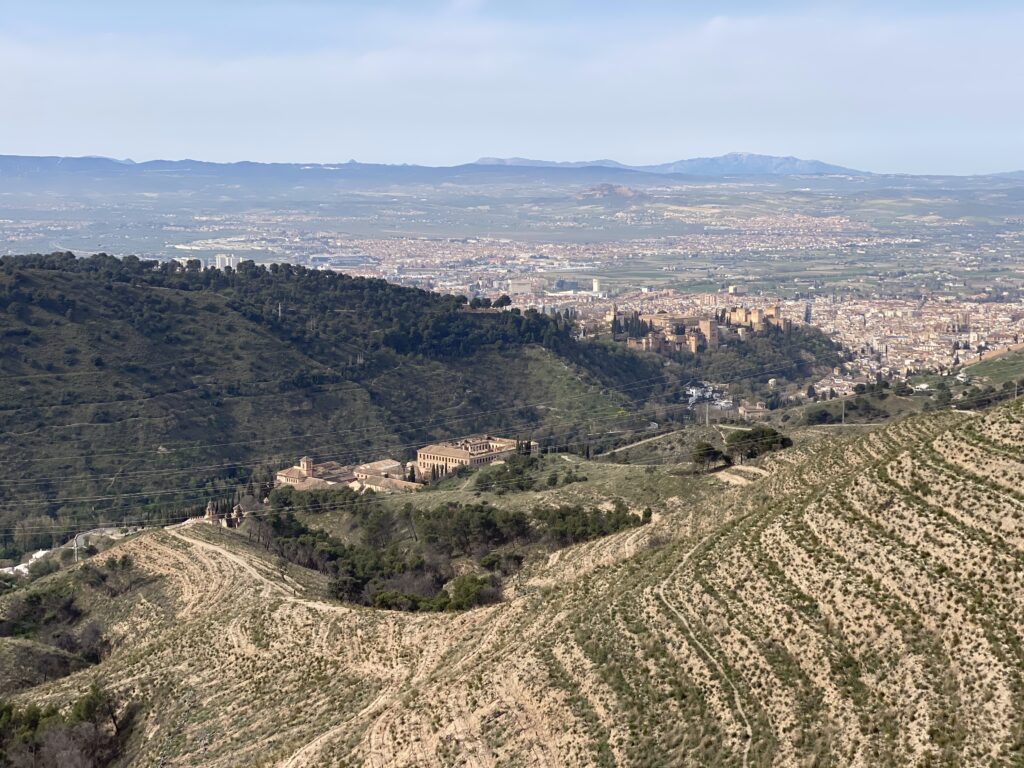
Restoration is not limited to remote forests and protected natural areas. In Spain, Plant-for-the-Planet is also working to make cities greener and more resilient through Green Belts.
Green Belts are ecological corridors that surround or connect urban areas, creating a natural belt around cities. They can help improve the urban climate, protect biodiversity, and provide accessible green spaces that support people’s health and well-being. Depending on their design and location, green infrastructure can reduce temperatures by up to 2°C, filter more than 50% of air pollutants, and increase biodiversity by up to 30%. It can also improve water infiltration and strengthen cities’ resilience to the impacts of the climate crisis.
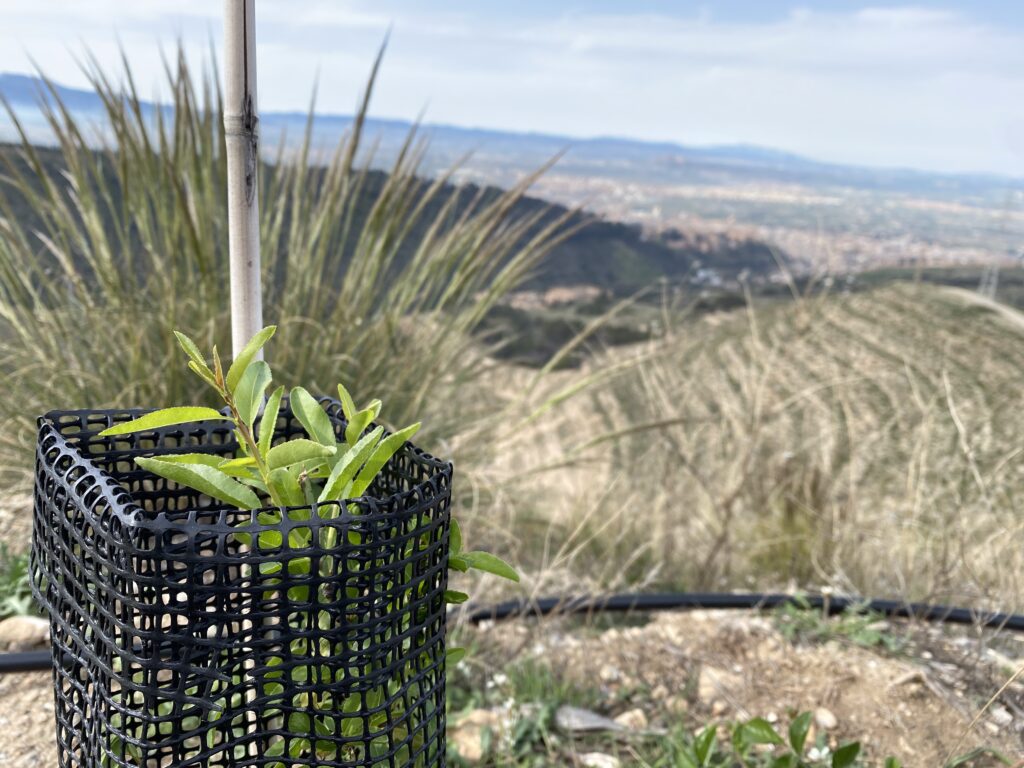
The cities of the future will not compete only through technology. They will also compete through livability. A mature urban tree can cool a street naturally, reducing the need for energy-intensive artificial cooling. Green Belts can therefore be understood as preventive health infrastructure: less heat, cleaner air, more biodiversity, and better conditions for people to live and thrive.
Ultimately, Green Belts are an investment in health, climate resilience, and the future of cities and their inhabitants.
After Wildfires: Restoring Madrid’s forests
The Community of Madrid, one of Spain’s most populous and influential regions, is also among the areas increasingly threatened by environmental degradation. Wildfires in the north of the region have severely damaged forests and ecosystems, putting biodiversity, landscapes, and the quality of life of local communities at risk.
Plant-for-the-Planet Spain is working to restore Madrid’s forests, helping ecosystems recover their natural balance and strengthening their resilience for future generations. The restoration projects are designed to do more than bring back trees. By supporting biodiversity and restoring functioning ecosystems, they contribute to a healthier and more resilient landscape while also supporting the sustainability and well-being of local communities.
Plant-for-the-Planet Spain demonstrates what ecosystem restoration can look like in practice: restoring nature, strengthening climate resilience, and creating healthier places for people and biodiversity to thrive.
Help us to continue this work and support the restoration of healthy, resilient ecosystems.
 09.28.26
Brazil’s 2026 Election: What Does It Mean for the Future of the Amazon?
Brazil’s presidential election in October 2026 could have far-reaching consequences for the future of the Amazon rainforest. With almost two-thirds of the Amazon located… 09.22.26
Climate Myths from the Comment Section
As early as 1912, it was publicly reported that the increasing burning of fossil fuels could alter the concentration of greenhouse gases in the…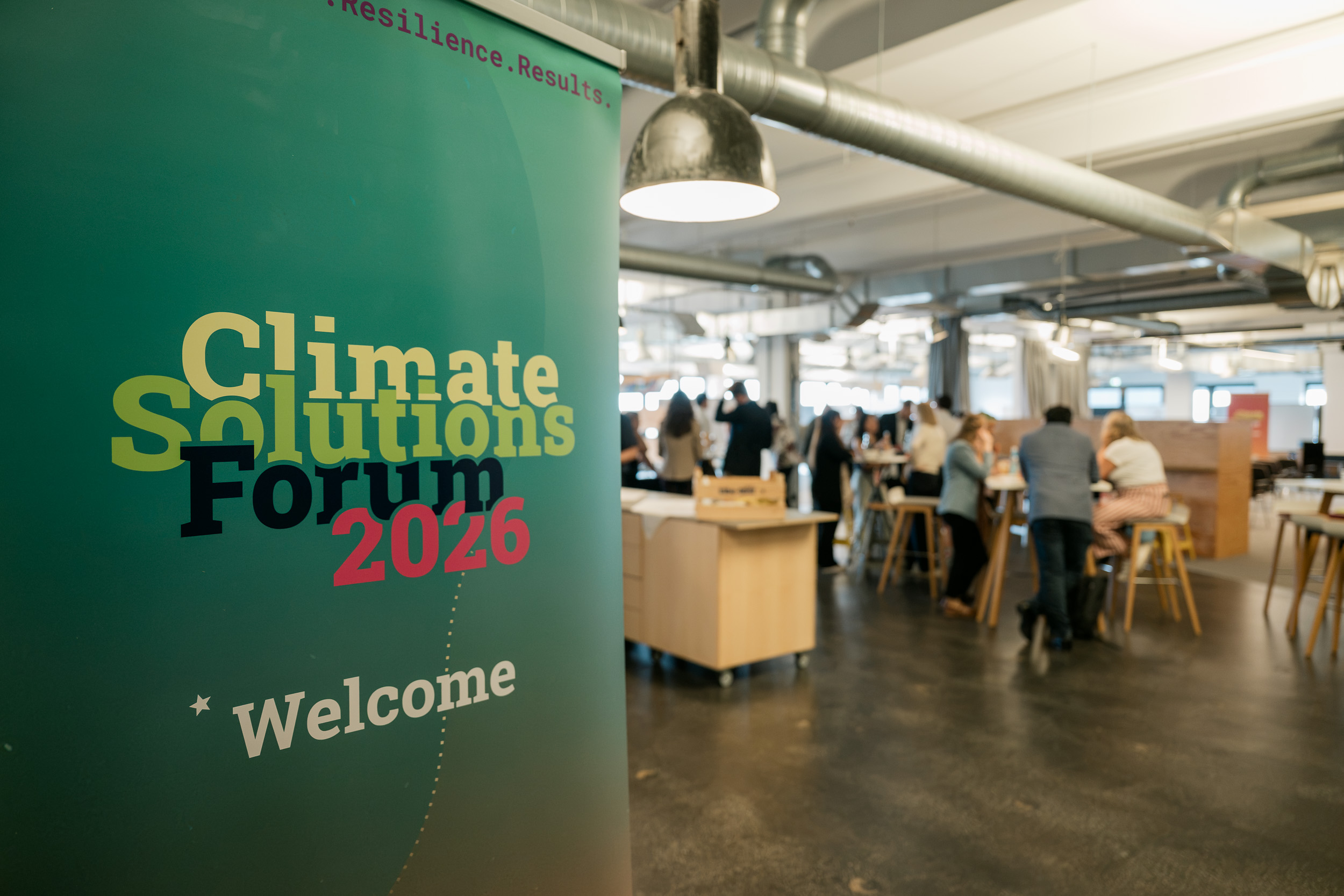 09.15.26
Together, We Can Achieve More: Key Takeaways from the F20 Climate Solutions Forum 2026
Political space for action is shrinking, international consensus on climate action is becoming increasingly fragile, and geopolitical tensions are on the rise. At the…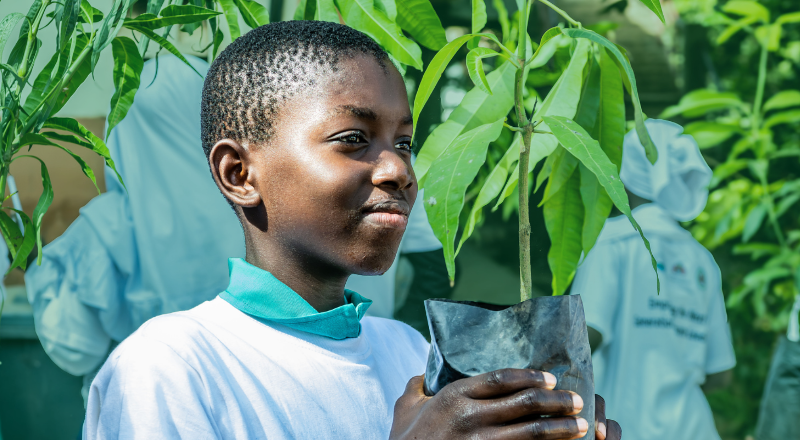 09.03.26
Why Climate Education for Children Starts with One Mentor or One Academy.
A regular, floody day in The Gambia. It is 9 am on a September Tuesday on the “Smiling Coast of Africa”. The dry season…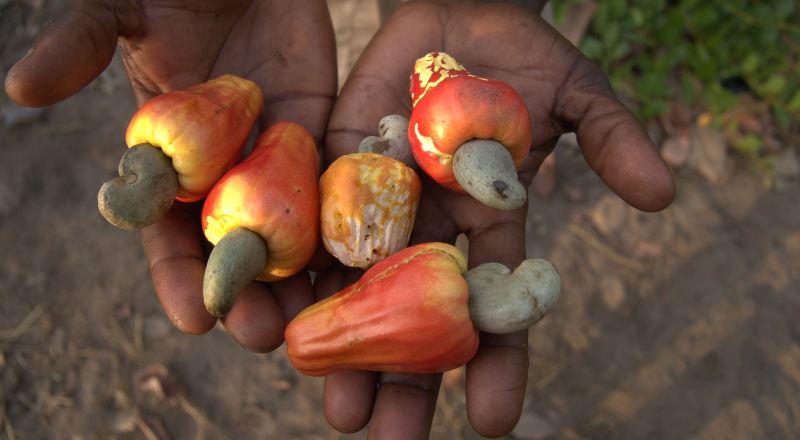 08.26.26
Restoring Landscapes: The Power of Agroforestry in Ghana
Restoration works best when it happens together with local communities. In many regions, people live in close proximity to ecosystems in need of recovery,…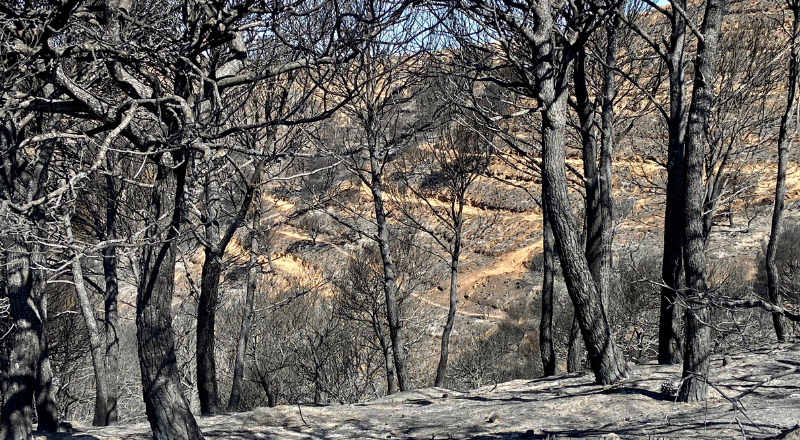 08.25.26
Wildfires, Climate Crisis and Forest Restoration: What Happens After the Fire?
The impacts of the climate crisis are becoming increasingly visible in the summer of 2026. Prolonged periods of heat and drought have contributed to…


